

Haunt Your Horror Stories in Raleigh, North Carolina
The City of Oaks Casts Some Long, Dark Shadows
The streets in Raleigh are measured, the buildings deliberate, and the trees older than the plans drawn around them. Even downtown, the air carries a sense of pause, as if decisions linger longer here than they should.
For horror stories set in Raleigh, North Carolina, that restraint becomes useful. This is a place shaped by what it chose to preserve and what it quietly allowed to disappear. The tension sits in the contrast of order and memory.
The Weight Beneath the Canopy
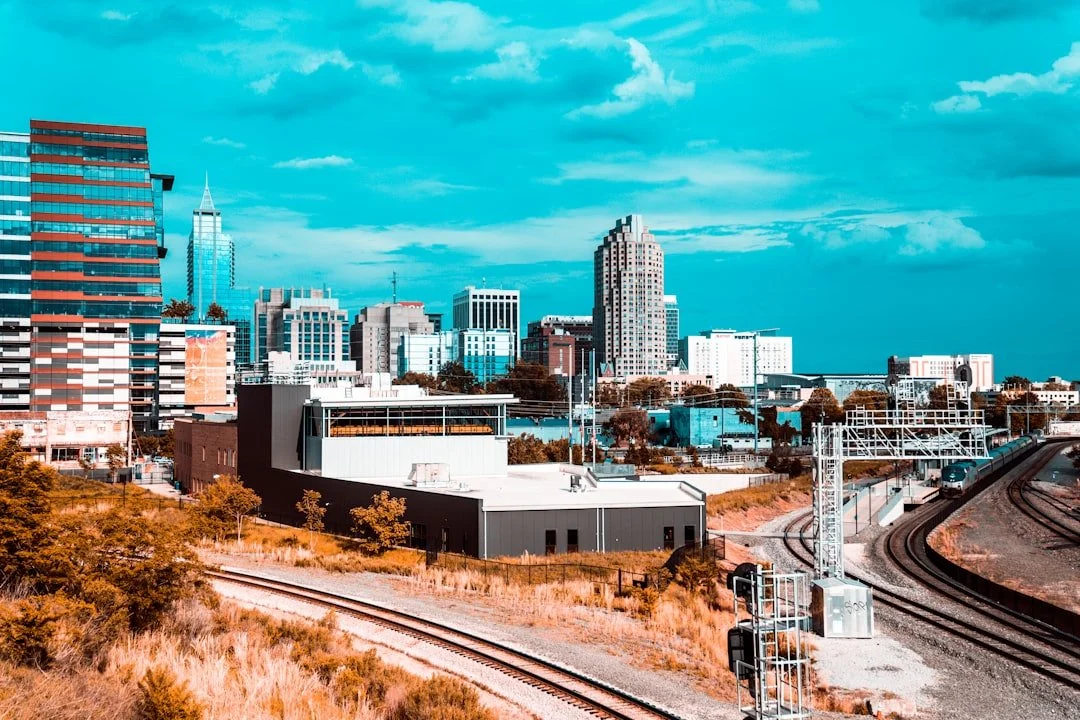

Why Raleigh Works for Horror Writing
Raleigh’s unease comes from preservation. Unlike cities that were erased and rebuilt, much of Raleigh’s environment remains intact, holding onto older structures, older decisions, and the consequences that followed. Stories set here do well to focus on the nature of accumulation rather than shock.
That lingering continuity lends itself to:
Historical horror, rooted in preserved buildings and unresolved pasts that remain physically present
Institutional horror, shaped by government spaces and systems that feel controlled yet impersonal
Environmental horror, driven by dense tree cover and filtered light that obscures rather than reveals

Horror Locations in Raleigh That Inspire Stories
Quiet places within the city tend to hold the most.
Historic Oakwood Cemetery
A 19th century cemetery near downtown with elaborate grave markers. Visitors report cold spots and shadowy movement. It suits stories about presence that lingers without explanation.
North Carolina State Capitol
A rebuilt 1840 government building after a fire destroyed its predecessor. The library draws reports of unease. It lends itself to narratives involving unseen observation.
Mordecai Historic Park
One of Raleigh’s oldest homes, preserved with original furnishings. Witnesses describe a woman in period clothing and unexplained piano sounds. It fits stories of repetition trapped in place.
Dorothea Dix Campus
Former psychiatric hospital grounds with abandoned structures. Legends describe restraints left behind and sightings tied to past treatments. It supports narratives centered on memory and containment.
Fayetteville Street Underground Areas
Historic sections tied to Civil War escape routes and smuggling. Reports mention unexplained sounds like rolling barrels. It works for stories involving hidden movement beneath routine life.
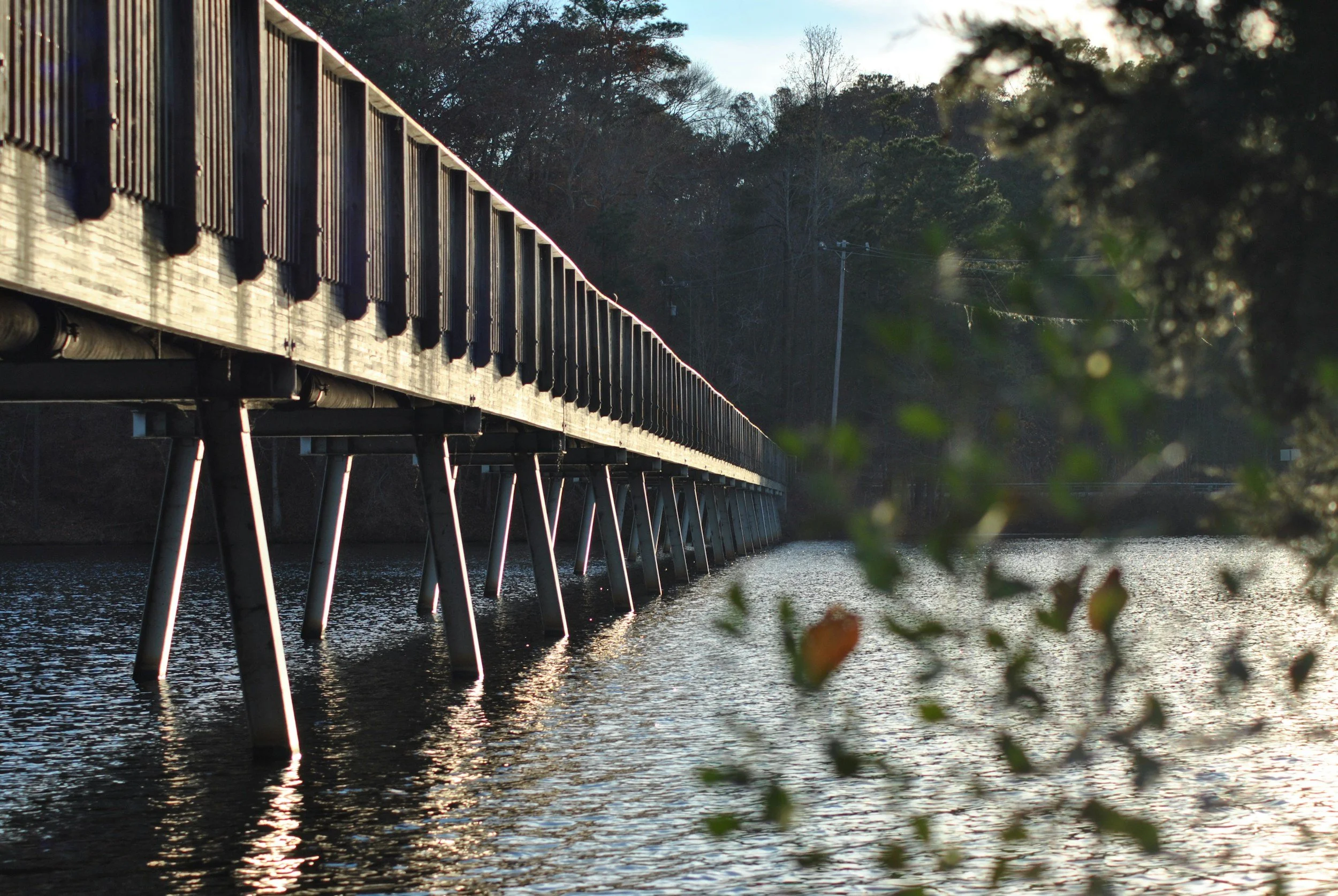
Legends That Prove Raleigh Keeps Its Records
Many Raleigh stories revolve around structures that continue functioning long after their original purpose fades.
The Lady in Gray
At the Mordecai House, visitors describe a woman moving through hallways or standing silently on the balcony at night. Some hear piano music with no visible source, as if the house continues a routine without occupants.The Capitol’s Unseen Presence
Staff and visitors to the State Capitol have reported a persistent feeling concentrated in the old library. No confirmed tragedies occurred there, yet people unfamiliar with its history often identify the same space as unsettling.Crybaby Lane and the Orphanage Fire
Local stories describe a fire tied to a former orphanage, with cries reportedly heard long after the buildings were abandoned. The legend connects to the nearby hospital grounds and their history of harsh treatments.
Writing Horror Set in Raleigh
Raleigh alters how tension builds. The city rarely forces confrontation, instead allowing discomfort to gather in familiar spaces that feel slightly misaligned over time.
Canopy as obstruction
Light filters unevenly through the oaks, creating shifting visibility that can distort what characters think they seeCivic order as pressure
Government buildings and planned streets create a sense of control that makes any disruption feel deliberate rather than accidentalSpaces that outlast purpose
Older homes and repurposed sites carry traces of prior use, allowing past functions to bleed into present behaviorStillness that invites attention
The slower rhythm of the city encourages observation, giving small inconsistencies more weight than overt threats
Raleigh does not rely solely on its environment. It rewards stories that allow unease to settle gradually, becoming harder to separate from the setting itself.
Raleigh Horror Writing Prompts

FAQ: Horror Writing in Raleigh
-
Stories that rely on atmosphere, history, and slow realization tend to align with the city’s tone.
-
Yes, locations like Oakwood Cemetery and the Mordecai House have longstanding reports of unusual activity.
-
It does, especially when contrasting modern development with preserved historic spaces.
-
They introduce themes of control, surveillance, and decisions made without visible consequences.
-
Subtle approaches tend to feel more natural given the city’s restrained environment.
-
Yes, the setting accommodates both by grounding strange events in believable, everyday locations.