

Horror Storytelling Fuel in Atlanta, Georgia
Sweet Tea, Soul Food, and Something Watching From the Dark
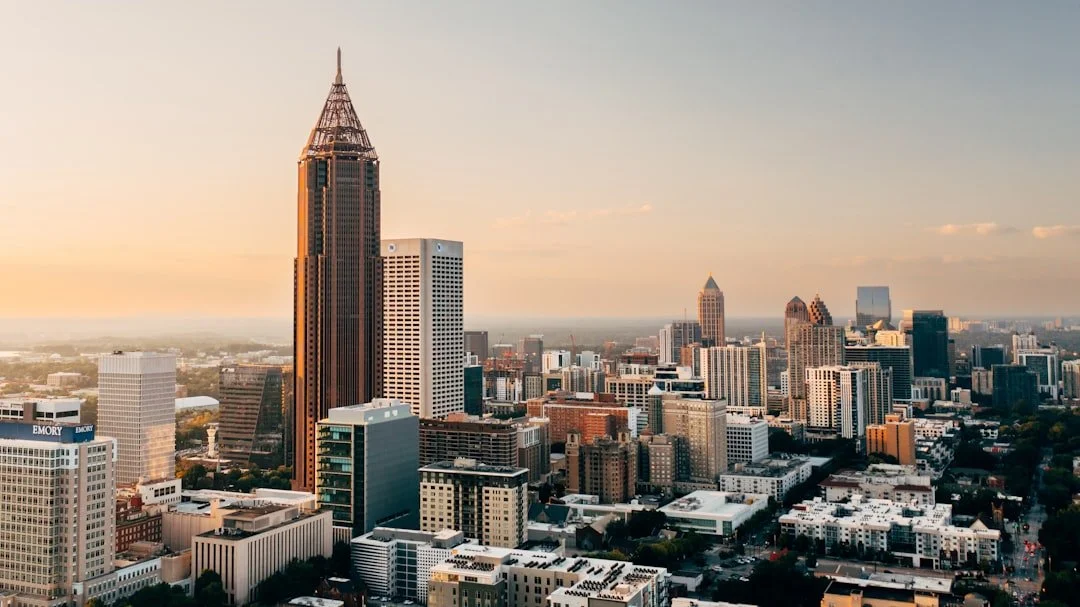
Atlanta reveals itself through tree cover, old rail lines, glass towers, overpasses, cemeteries, and houses that too elegant for the amount of history inside them. The city feels humid even in memory.
That layered tension gives horror storytelling in Atlanta a particular kind of pressure. The past does not sit behind the present here. It moves through it, sometimes politely, sometimes through demolition dust, sometimes through a theater ceiling painted to look like night
Beneath the Canopy and Concrete

Why Atlanta Works for Horror Writing
Atlanta’s strongest horror quality is compression. Wealth and ruin sit close together. Public beauty often has a private underside. A horror writer can move from manicured Georgia gardens to abandoned industrial remnants, from civic pride to buried violence without leaving the emotional logic of the city.
That tension opens the door to several kinds of horror:
Southern Gothic horror, shaped by family silence and inherited status
Urban decay horror, built around spaces with half-remembered former lives
Environmental horror, rooted in heat, storms, kudzu, and land that refuses to stay passive

Horror Locations in Atlanta That Inspire Stories
Atlanta’s most useful horror locations are the ones that look polished until one detail tears apart the perfection:
Fox Theatre
Built as a Shriners headquarters, the Fox opened in 1929 with domes, minarets, and a false night sky overhead. Its beauty can hide cult ritual, possession, or surveillance.
Historic Oakland Cemetery
Opened in 1850, Oakland holds more than 70,000 burials across 88 acres. Its monuments and skyline views suit grief, inheritance, and the dead watching progress.
Krog Street Tunnel
This two-lane underpass beneath Hulsey Yard is covered in changing street art. A horror story could treat every new layer as evidence, warning, or confession.
Doll’s Head Trail
At Constitution Lakes, found doll parts and debris form trail art on a former brickworks site. It suits stories about objects arranged by something unseen.
Ellis Hotel
The former Winecoff Hotel still stands where the 1946 fire killed 119 people. Its restored rooms carry a sharp contrast between hospitality and trapped panic.
Stories Atlanta Keeps Under Its Tongue
Atlanta’s local legends often attach themselves to buildings that changed purpose but never fully changed atmosphere.
The Winecoff Fire
Before dawn on December 7, 1946, fire spread through the Winecoff Hotel in downtown Atlanta. The building had been advertised as fireproof, but it lacked fire escapes, fire doors, and sprinklers. Guests broke windows for air while firefighters worked in the cold below. The disaster killed 119 people and became the deadliest hotel fire in United States history.The DuPre Excelsior Mill Hauntings
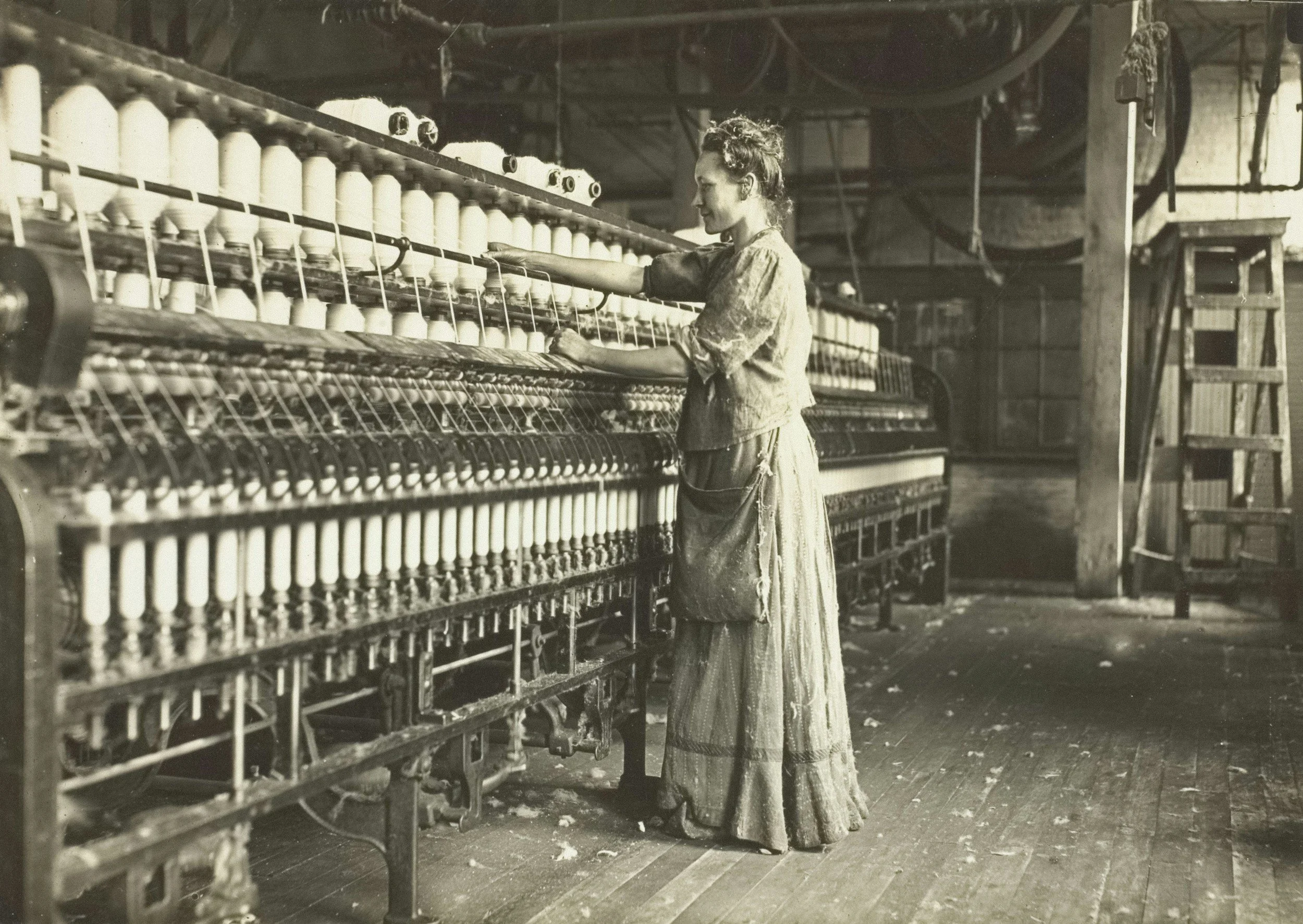
The DuPre Excelsior Mill in Old Fourth Ward was built in the 1890s to produce excelsior, also called wood wool. According to Atlanta History Center, the site was associated with tuberculosis outbreaks and a fire, and stories later claimed that workers who died there still lingered after the building became the Masquerade.Rhodes Hall Encounters
Rhodes Hall, the 1904 “Castle on Peachtree,” has a reputation for ghostly incidents reported by visitors and staff. The Georgia Trust still hosts Legends and Lore tours there, built around eerie accounts tied to the mansion’s rooms, staircases, and preserved interiors.The Lady of Lake Lanier
North of Atlanta, Lake Lanier carries one of Georgia’s most persistent water legends. Stories describe a woman seen near or beneath the surface, often connected to drownings, submerged roads, and the land flooded to create the reservoir. The legend remains powerful because the lake’s danger is both documented and symbolic.
Writing Horror Set in Altanta
Atlanta changes a story by making each movement feel like a negotiation. Consider honing on this through:
Heat as pressure: Humidity can make every scene feel closer, slower, and harder to escape without turning the prose melodramatic.
Polite public masks: Atlanta’s social warmth can become frightening when characters sense rules they were never taught but are already breaking.
Redevelopment anxiety: Construction fences, luxury conversions, and vanished landmarks can give the city a feeling of evidence being removed.
The green return: Trees, vines, stormwater, and red clay can make the natural world feel patient rather than peaceful.
A horror story set in Atlanta does not need to invent darkness so much as notice what the city has already learned to build over.
Atlanta Horror Writing Prompts

FAQ: Horror Writing in Atlanta
-
Atlanta has Southern Gothic roots, but its horror also comes from growth, ambition, traffic, redevelopment, and constant collision between old and new.
-
Yes. The city supports paranoia, body horror, environmental dread, corporate horror, cult stories, and psychological horror tied to status and reinvention.
-
Not if the story focuses on atmosphere rather than retelling its history. Its architecture can inspire fictional theaters, secret societies, or impossible interiors.
-
Anchor scenes in sensory specifics: red clay after rain, tree-shadowed streets, MARTA stations, Peachtree confusion, summer heat, and sudden neighborhood shifts.
-
Yes. Buckhead mansions, East Atlanta nightlife, old industrial corridors, suburban sprawl, and Chattahoochee-adjacent spaces all create different kinds of unease.
-
Either can work. The strongest approach is often ambiguity, with real history and social pressure making the supernatural feel almost unnecessary.