

Start Your Horror Writing Journey in Savannah, Georgia
Georgia’s Gentlest Haunt, Steeped in Shadow and Southern Hospitality
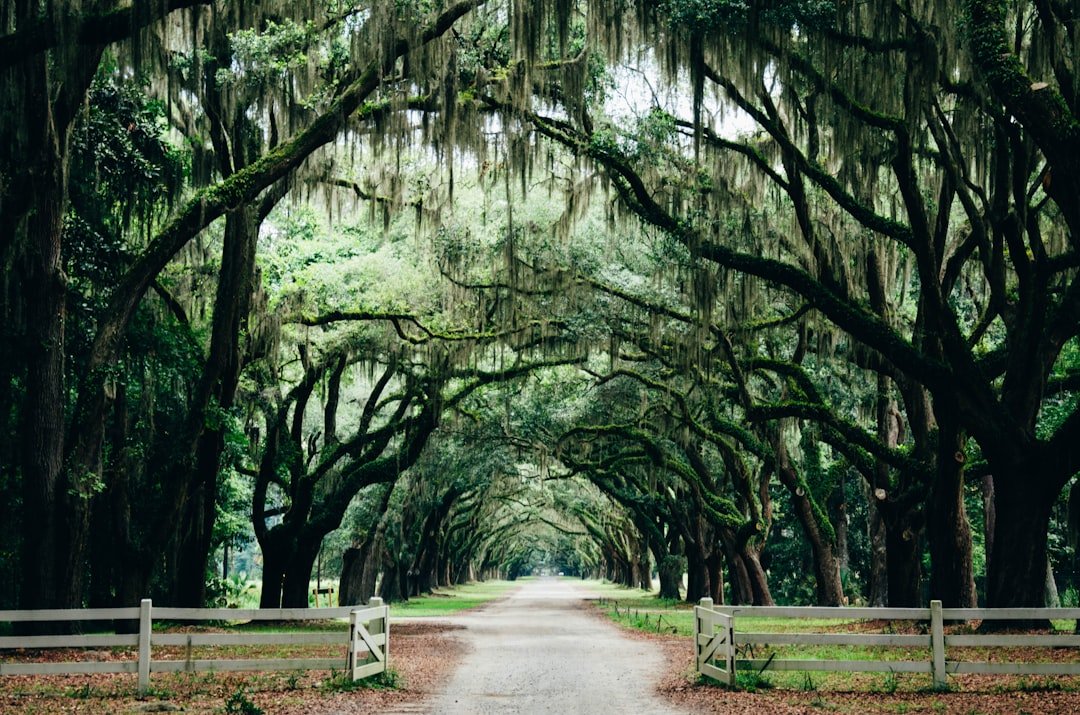
Savannah does not announce its darkness. It keeps it under live oaks, behind iron gates, and beneath brick walks polished by humidity and age. It is as if every garden and old house has agreed to remain beautiful so no one asks what had to be buried nearby.
For writers, that restraint is the charge. Start your horror writing journey in Savannah, Georgia by studying how manners, architecture, and memory all create something sinister together.
A City That Keeps Its Secrets in the Shade

Why Savannah Works for Horror Writing
Savannah’s strongest horror quality is its civility. The city’s public face is graceful, shaded, and carefully tended, yet its history includes disease, enslavement, violence, death, and displacement. That contrast gives writers a setting that can remain calm while the story underneath becomes less stable.
That makes Savannah especially useful for horror built on restraint, shown through:
Southern Gothic horror, shaped by old families and inherited silence
Historical horror, grounded in fragile memory
Ghost horror, tied to repetition, unresolved grief, and the feeling that certain places expect someone back

Horror Locations in Savannah That Inspire Stories
Savannah’s horror locations are not hidden away from the city’s beauty; they sit inside it.
The Pirates’ House
Opened as an inn in 1753 beside the old Trustees’ Garden, the Pirates’ House carries stories of sailors pressed through tunnels, useful for rooms that erase consent.
Bonaventure Cemetery
Bonaventure sits on a bluff above the Wilmington River; its garden paths, oaks, and funerary sculpture can turn grief into something patient and watchful.
Colonial Park Cemetery
Dating to 1750, Colonial Park Cemetery holds altered stones and old vaults inside the district, giving a story a public green with disturbed civic records.
Forsyth Park
Forsyth Park covers thirty acres around an 1858 fountain; its long walks, benches, and open lawns let daylight feel observed rather than reassuring.
Mercer-Williams House
Built in the 1860s, the Mercer-Williams House faces Monterey Square and carries a famous murder case, suited to polished rooms with blood in lasting memory.
Savannah Stories That Refuse Burial
Savannah’s legends often turn on displacement: bodies moved, women left waiting, children memorialized, and rooms that keep rearranging the living.
The Tunnels Beneath the City
Savannah’s tunnel stories are inconsistent by nature, which may be why they endure. Some accounts connect them to kidnapped sailors forced toward waiting ships, while others link them to yellow fever bodies moved out of sight or people seeking escape below the city. The pattern matters more than one verified map: Savannah imagines its underside as a place for what could not be handled in public.
Anna of 17Hundred90 Inn
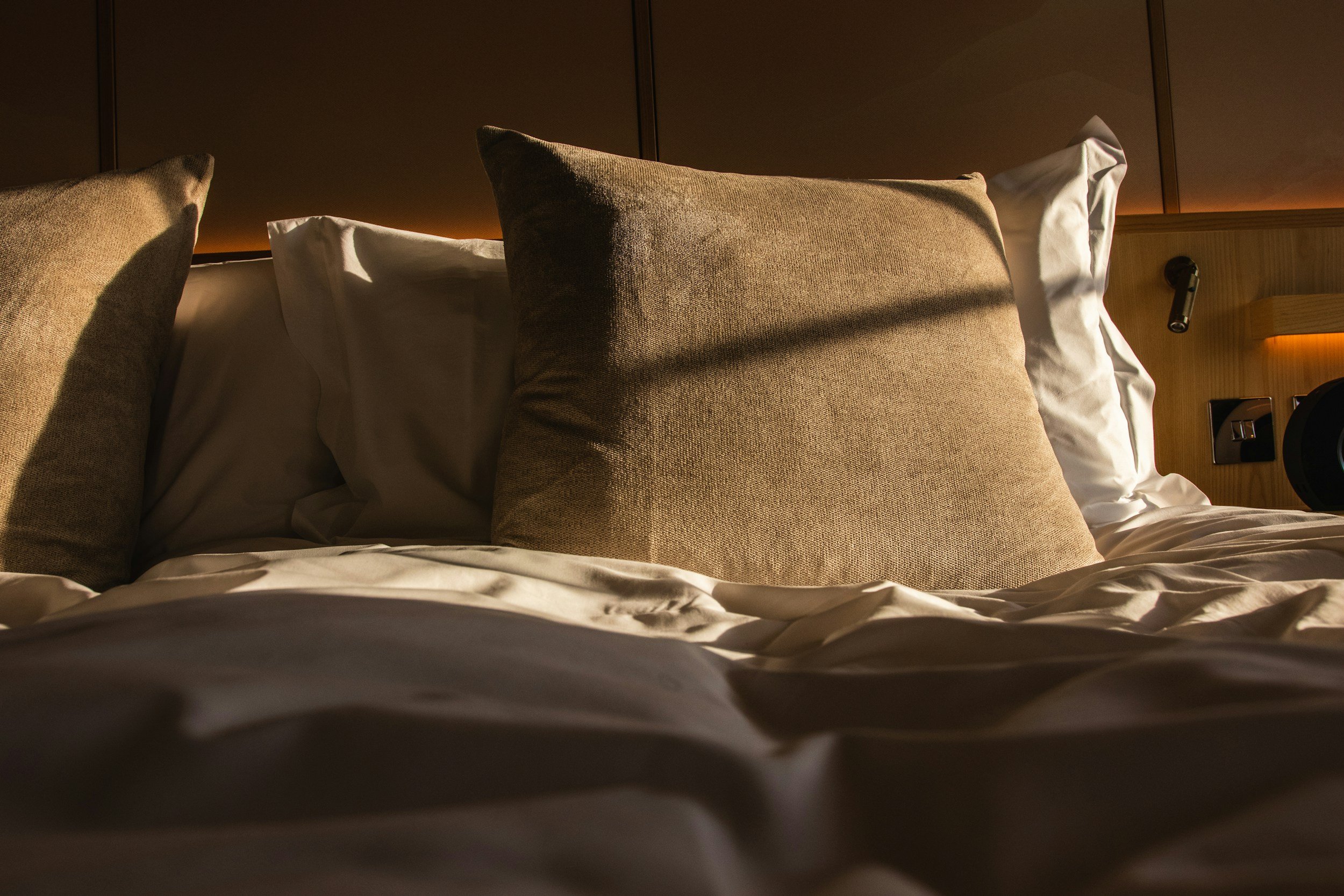
The 17Hundred90 Inn is associated with Anna, a spirit most often tied to Room 204. Stories describe objects moved, covers disturbed, and a presence that seems less violent than insistent. Her legend is usually told as a romance or abandonment story, but the details remain domestic: a room, a bed, and personal belongings shifted just enough to prove someone else is still there.
Little Gracie Watson
Gracie Watson died in 1889 at the age of six, and her grave in Bonaventure Cemetery is marked by a lifelike statue that has become one of Savannah’s most recognized memorials. Visitors leave toys and small gifts near her resting place. The story’s unease comes from tenderness preserved too well, turning grief into a public ritual that never quite ends.
The Sorrel-Weed House
The Sorrel-Weed House, built in the 1840s near Madison Square, is tied to stories of family scandal, death, and unrest inside an elegant Greek Revival home. Legends often center on Matilda Sorrel and the enslaved woman Molly, with versions shifting between betrayal, suicide, and lingering apparitions. The house remains a study in how beauty can make violence harder to look at directly.
Writing Horror Set in Savannah
Southern charm is always going to be surface level. You can capture this duality through the use of:
Manners as Containment
A character’s fear can sharpen when everyone around them insists on courtesy, even after something clearly breaks social order.Heat Against Memory
Humidity makes the past feel physical, pressing against skin, paper, fabric, and breath until memory behaves like weather.Public Spaces, Private Threats
Savannah’s squares allow horror to unfold in view of others while still leaving the victim emotionally alone.Beauty Withheld From Trust
The more carefully preserved a room, garden, or facade appears, the more suspicious small disorder becomes.
When you write, create an environment that rewards hesitation, overheard speech, and the terrible pressure of acting normal.
Savannah Horror Writing Prompts
FAQ: Horror Writing in Savannah
-
No. Avoid leaning only on ghost-tour imagery. Savannah becomes fresher when you study restraint, class pressure, preservation, and public beauty.
-
A newcomer works well, but so does a local who knows which stories are repeated too often and which ones people avoid naming.
-
Yes. The city’s shade, heat, cemeteries, and public squares can make daylight feel strangely exposed rather than safe.
-
Write through surfaces. Notice maintenance, silence, humidity, old brick, locked doors, and the difference between hospitality and access.
-
It can support both. The most effective approach often lets human cruelty create the conditions that make a haunting believable.
-
A polite public scene with one wrong detail: a shifted grave marker, a closed room unlocked, a stranger waiting in shade, or a gift left for the dead.