

Craft Eerie Horror Stories in Cincinnati, Ohio
Midnight Chili, Midnight Screams
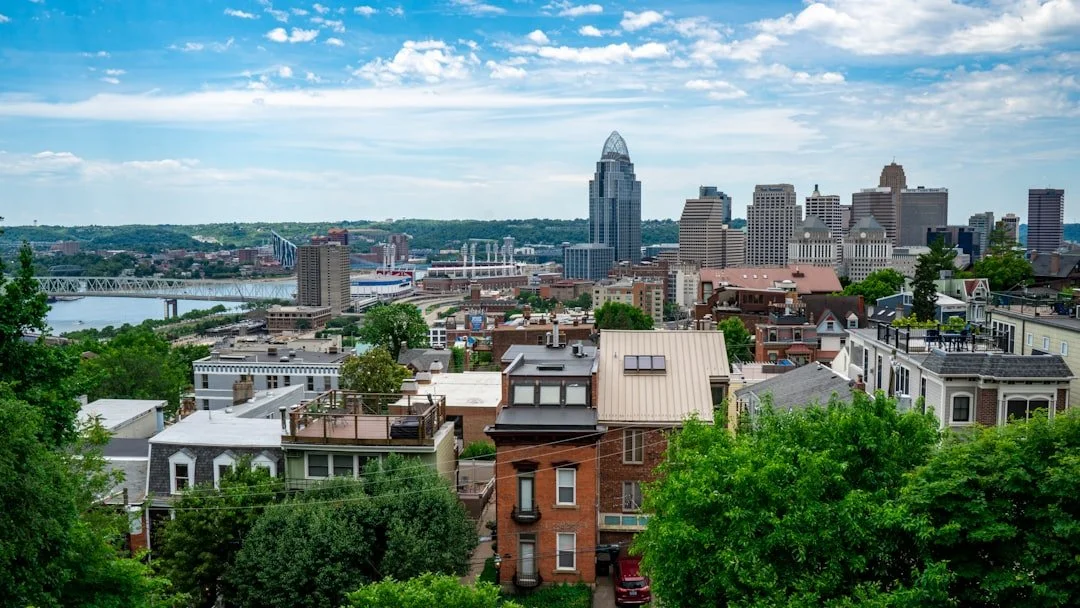
Cincinnati rises in layers, with hills pressing against old brick streets and the Ohio River holding a dull reflection below. The city feels built over itself, not just historically but physically, with spaces that seem to keep evidence underfoot.
For writers, crafting eerie stories in Cincinnati, Ohio means horror does not need to announce itself. It can come from a locked stairwell, a sealed platform, or a family recipe passed down with one missing name.
Beneath the Queen City’s Ordinary Light

Why Cincinnati Works for Horror Writing
Cincinnati’s strongest horror quality is compression. Wealth, burial, industry, immigration, music, old transit plans, and riverfront reinvention sit close together, often with one era literally built on top of another. Its unease comes from proximity rather than emptiness.
That gives Cincinnati structure built for:
Architectural horror, shaped by ornamental spaces with darker foundations
Urban folklore horror, tied to stories that spread through neighborhoods and cemeteries
Family legacy horror, built around inheritance, silence, reputation, and what descendants refuse to name

Horror Locations in Cincinnati That Inspire Stories
Cincinnati rewards writers who look below the visible street.
Cincinnati Music Hall
Built in 1878, Music Hall stands over former burial grounds near Washington Park. Its grand rooms can turn performance, applause, and buried history into one uneasy scene.
Cincinnati Subway Tunnels
The unfinished subway runs beneath the city, with just over two miles of unused tunnel. It suits stories about failed progress, sealed routes, and voices under traffic.
Spring Grove Cemetery
Spring Grove is a National Historic Landmark cemetery with elaborate monuments and long local legends. Its stillness can make grief feel watched rather than settled.
Over-the-Rhine Brewery Cellars
Old brewery tunnels and cellars remain beneath Over-the-Rhine, once practical spaces for beer storage. In horror, they can hide rituals behind ordinary commerce.
Sedamsville Rectory
This abandoned rectory in Sedamsville dates to the late 19th century and is known for reports of apparitions and interior decay. It lends itself to stories of intrusion, faith, and something refusing to leave.
Myths and Legends Cincinnati Keeps Repeating
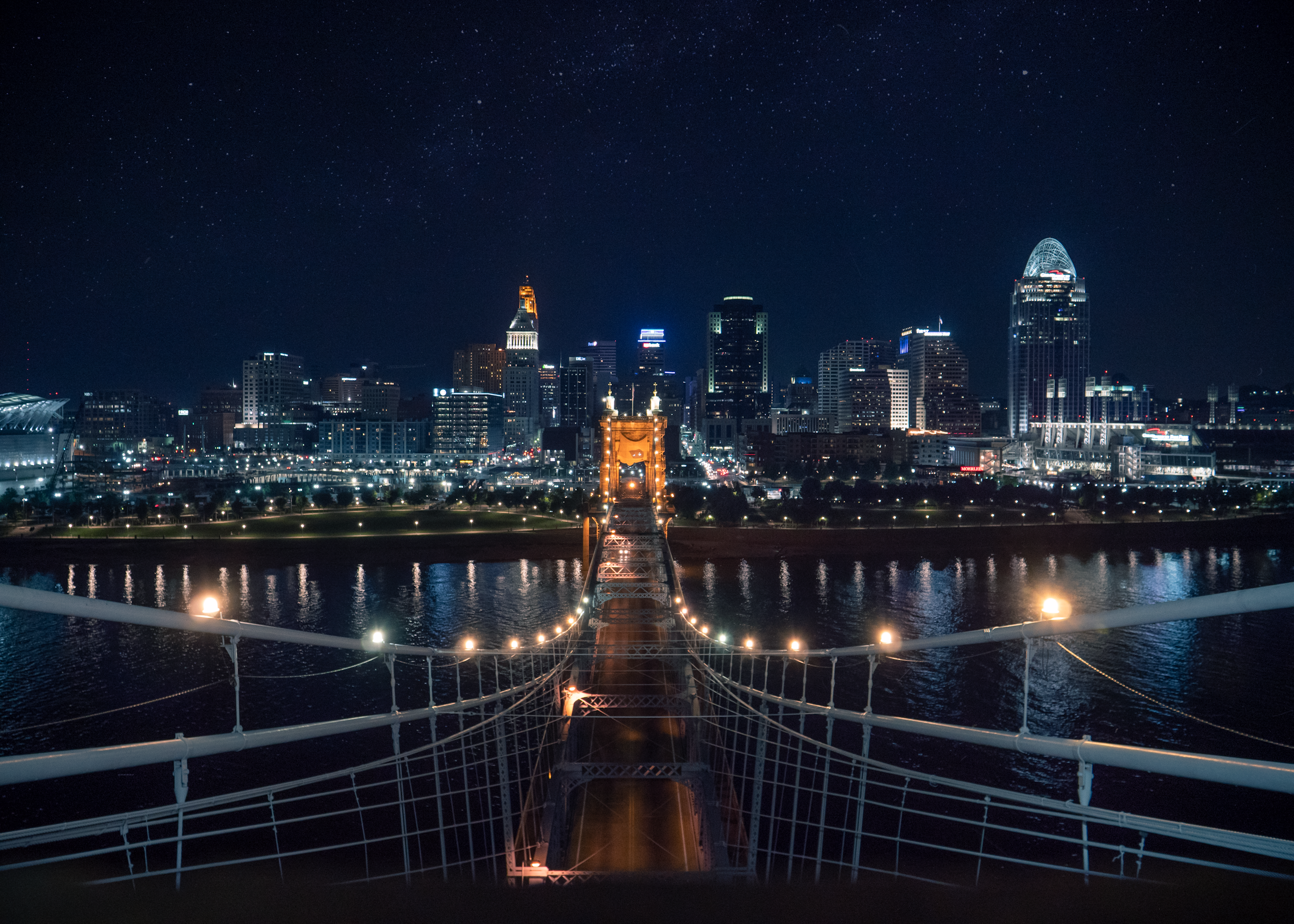
Cincinnati’s legends often connect burial, performance, and unfinished passageways.
The Eyes of Spring Grove
At Spring Grove Cemetery, local lore surrounds the bronze bust of optometrist C.C. Breuer. The story claims its eyes follow visitors through the grounds, turning a memorial into something that seems aware.Music Hall’s Buried Dead
Cincinnati Music Hall is often described as haunted because it was built over land once used as a potter’s field. Stories of footsteps, music, and unseen figures attach themselves to the building’s beauty rather than contradicting it.The Unfinished Subway
The abandoned subway tunnels under Cincinnati have gathered stories about workers, trespassers, and sealed spaces. The legend lingers because the project itself feels interrupted, as if the city stopped building before something could emerge.Bobby Mackey’s Shadow Across the River
Just across the river in Wilder, Kentucky, Bobby Mackey’s Music World is tied to stories of Pearl Bryan, a supposed portal to hell, and violent hauntings. Its folklore often bleeds into Cincinnati’s regional ghost map.
Writing Horror Set in Cincinnati
Cincinnati changes horror by making the past feel physically close.
Pressure Below Ground
A hidden space beneath an ordinary route can make the city feel unstable without changing its surface.
Performance as Cover
Concerts, festivals, and public gatherings can hide private terror inside applause, noise, and civic pride.
River as Boundary
The Ohio River can separate safety from threat while keeping both sides visible.
Inherited Civic Memory
Old neighborhoods allow characters to discover that reputation has protected worse things than ghosts.
haracter does not have to leave the city to find another version of it. They only need to go downstairs, cross a bridge, enter an old hall, or follow a street until the grade changes.
Cincinnati Horror Writing Prompts

FAQ: Horror Writing in Cincinnati
-
Its hills, river, tunnels, and older architecture create a layered city rather than a flat urban backdrop.
-
Yes. Music Hall, Spring Grove Cemetery, and Over-the-Rhine give gothic horror a civic and architectural foundation.
-
Very. Its unfinished history gives writers a real underground space shaped by abandonment and failed ambition.
-
A buried or inherited creature fits well, especially one connected to tunnels, family property, or forgotten public works.
-
Anchor the story in elevation, neighborhood texture, river proximity, and the city’s habit of building over its past.
-
Only if it serves the scene. Late-night chili parlors can create strong atmosphere without turning the story into parody.