

Haunt The Page in Cleveland, Ohio
Grain Silos by Day… Grave Markers by Night
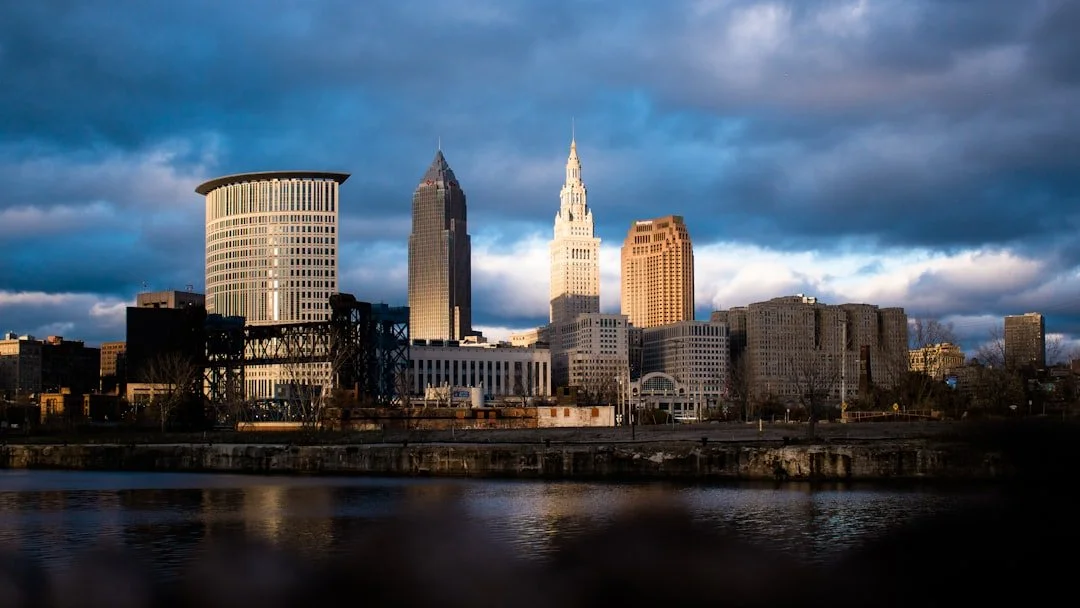
Cleveland sits against Lake Erie with the bluntness of a city built to endure weather, industry, and reinvention. The river bends through old work zones, bridges cast hard shadows, and the lake can turn a clear street into a gray corridor without warning.
To haunt the page in Cleveland, the tension often comes from what has been repurposed but not erased. Mills become landmarks, markets keep their clocks, and cemeteries rise like neighborhoods.
Hidden Under The Lake Wind

Why Cleveland Works for Horror Writing
Cleveland’s strongest horror quality is contrast. It holds civic grandeur beside industrial residue, public spaces beside private grief, and lakefront openness beside neighborhoods that feel sealed off by weather.
That tension lends itself to stories shaped by:
Industrial horror, built around machinery, labor, silence, and structures left behind
Weather-driven horror, shaped by lake effect snow, fog, wind, and sudden isolation
Urban psychological horror, centered on reinvention, displacement, and buried history

Horror Locations in Cleveland That Inspire Stories
Cleveland’s unease often waits in places people still use.
Lake View Cemetery
Founded in 1869, this 285-acre garden cemetery holds ornate monuments and the Garfield Memorial. Horror can grow from beauty that feels too carefully preserved.
West Side Market
Opened in 1912, the market’s 137-foot clock tower once required 180 steps to wind. Its stalls can frame hunger, routine, and public disappearances.
Terminal Tower
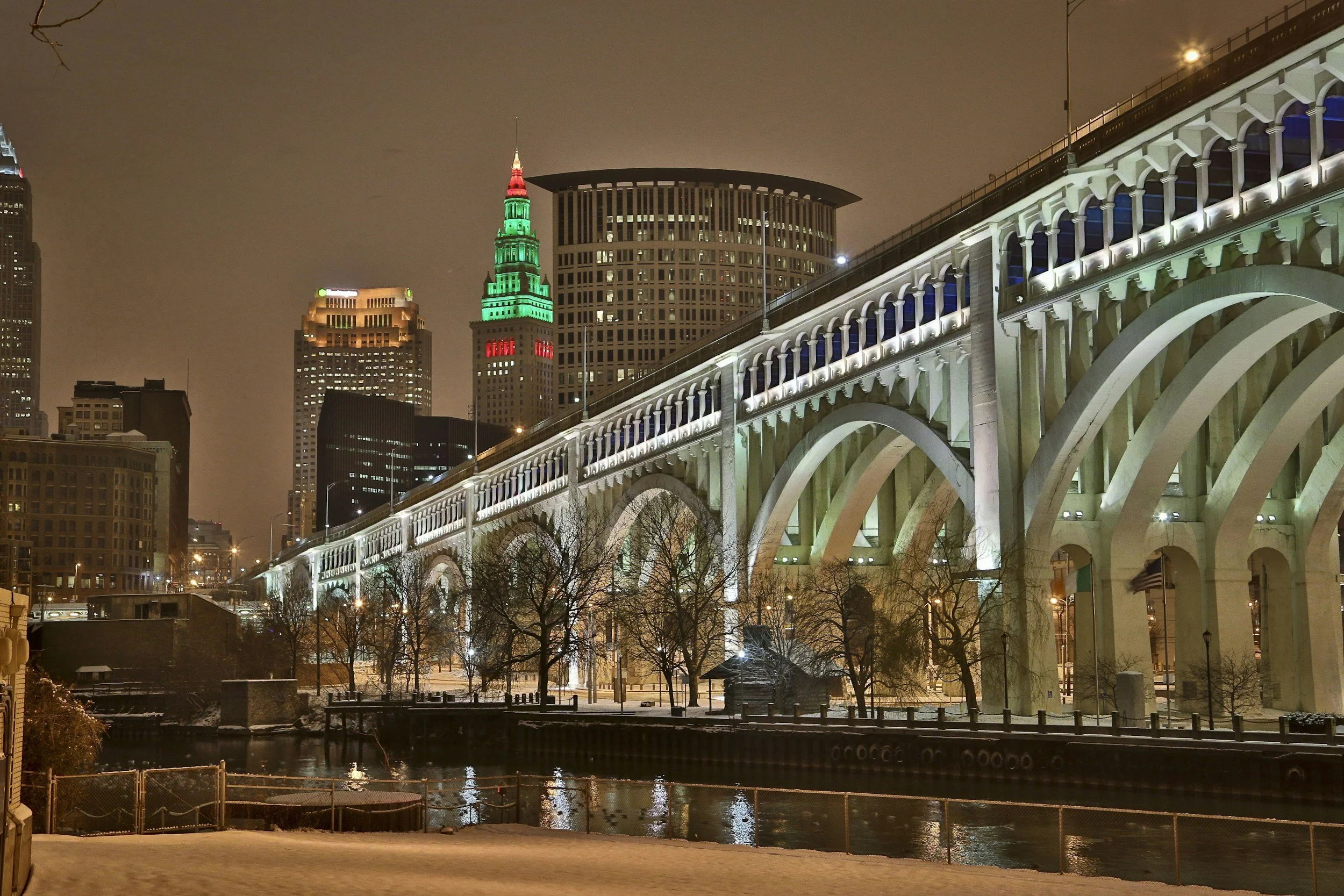
Dedicated in 1930, Terminal Tower rose from Cleveland’s Union Terminal project on Public Square. Its height suits stories about surveillance and vertical dread.
The Flats
The Flats follow the Cuyahoga River through Cleveland’s old industrial basin. River bends, bridges, and converted spaces can hide a threat in plain view.
Franklin Castle
The Tiedemann House on Franklin Boulevard is tied to deaths in the family and later haunted claims. It suits inherited dread without needing exaggeration.
Haunted Tales Cleveland Tells After Closing
Cleveland’s legends often attach grief to architecture, turning houses, armories, and roadside names into containers for unresolved fear.
Franklin Castle
Franklin Castle is associated with Hannes Tiedemann, whose family suffered multiple deaths after moving into the house. Later owners and visitors reported footsteps, shifting objects, and rooms that seemed occupied even when no one was inside.
The Grays Armory Soldiers
Grays Armory was built in 1893 for the Cleveland Grays, a volunteer military organization. Its ghost stories often involve apparitions in old uniforms, footsteps in empty rooms, and the sense of drills continuing long after the building should be quiet.
Gore Orphanage
The Gore Orphanage legend belongs to Northern Ohio more than Cleveland proper, but it circulates through the region. The story combines a road name, ruins, alleged cries of children, and disputed history into one persistent tale of fire and misremembered tragedy.
Writing Horror Set in Cleveland
When writing horror set in Cleveland, it is best to focus on:
Lake Effect Pressure
Snow, wind, and fog can make familiar streets feel suddenly cut off from help.
Industrial Afterimages
Empty mills, silos, and riverfront structures carry the sense of work that stopped but never fully left.
Public Grief
Cemeteries and memorials give horror a civic scale, making private fear feel recorded in stone.
Reused Spaces
Converted buildings can create unease through mismatched eras, especially when old functions remain visible beneath new ones.
The environment can help frame characters and scenes just as much as the people that live here.
Cleveland Horror Writing Prompts

FAQ: Horror Writing in Cleveland
-
Its mix of lake weather, industrial history, and Gothic cemetery architecture gives stories a harsher physical texture.
-
Yes. The city’s real monuments, mansions, and old civic buildings already carry enough atmosphere for restraint.
-
Something shaped by water, rust, cold, or inheritance would feel more natural than a purely random creature.
-
Yes. The lake can create isolation through weather, scale, sound, and the feeling of something vast just beyond sight.
-
Anchor scenes in river crossings, cemetery hills, market corridors, lake wind, and industrial remnants..
-
Both, especially if the story lets old structures press against present-day lives.