

Horror Writing in El Paso, Texas
The Desert Keeps Its Dead
El Paso sits at the far western edge of Texas, held between the Franklin Mountains, the Chihuahuan Desert, and the Rio Grande. Its oldest identity comes from the “Pass of the North,” a gap seen by Spanish explorers as two mountain ranges opening out of the desert.
For horror writing in El Paso, the unease comes from thresholds. The city is shaped by borders that have shifted, rivers that have changed course, and histories that never fully separate from the present.
The Pass Is Best Explored by the Brave

Why El Paso Works for Horror Writing
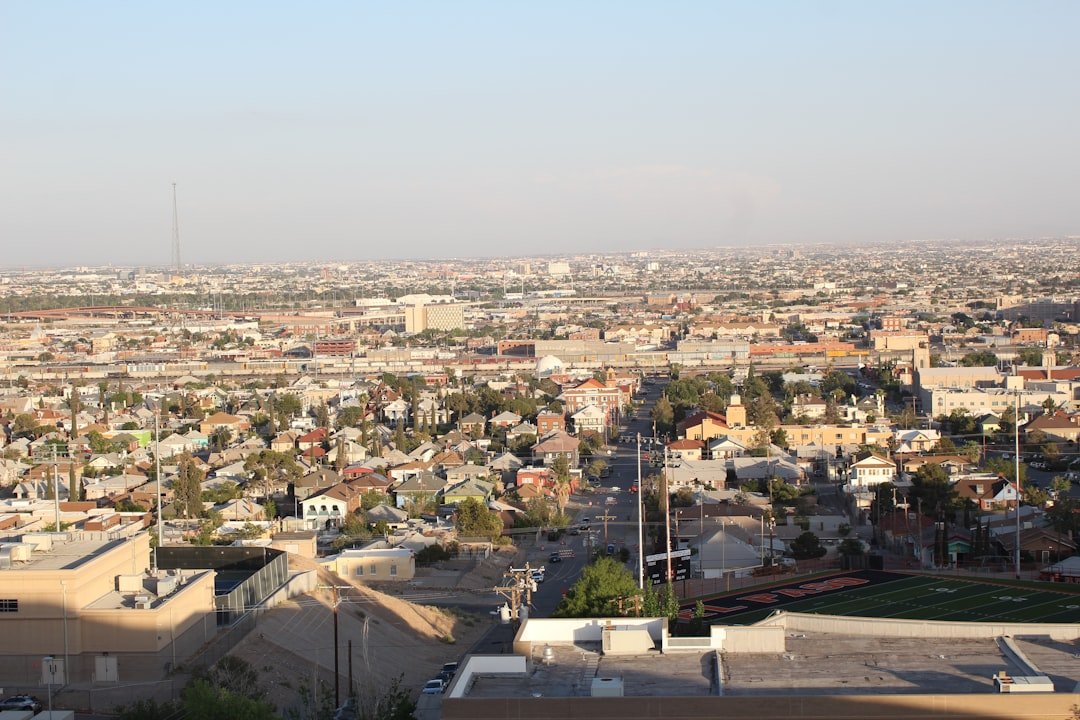
El Paso’s strongest horror quality is its sense of divided space. Downtown faces another country, the mountains cut through the city, and old missions still hold traces of communities moved by flood, war, and survival.
That gives horror writers a setting built for:
Border horror, rooted in surveillance, separation, and mistaken identity
Desert horror, shaped by exposure, mirage, and distance from help
Folk horror, carried through river legends, saints, graves, and inherited warnings

Horror Locations in El Paso That Inspire Stories
El Paso’s real places already feel half-lit, even under hard desert sun.
Concordia Cemetery
Known as El Paso’s Boot Hill, Concordia holds more than 60,000 burials, including John Wesley Hardin and Buffalo Soldiers, making it ideal for graveyard horror.
Plaza Theatre
Built in 1930, the Plaza uses an atmospheric ceiling with stars reflecting the Southwestern sky in June, perfect for stories about false heavens indoors.
Hueco Tanks State Park & Historic Site
Hueco Tanks holds more than 200 painted mask designs, the largest such grouping in North America, giving ancient rock art an unnerving narrative pull.
Ysleta Mission
Founded in the 1680s, Ysleta Mission was rebuilt after the Rio Grande washed the original church away, turning flood memory into sacred horror.
Scenic Drive Overlook
Scenic Drive looks across El Paso and Ciudad Juárez from the Franklin Mountains, a strong place for stories about watching a city that watches back.
El Paso Legends That Follow the River Home
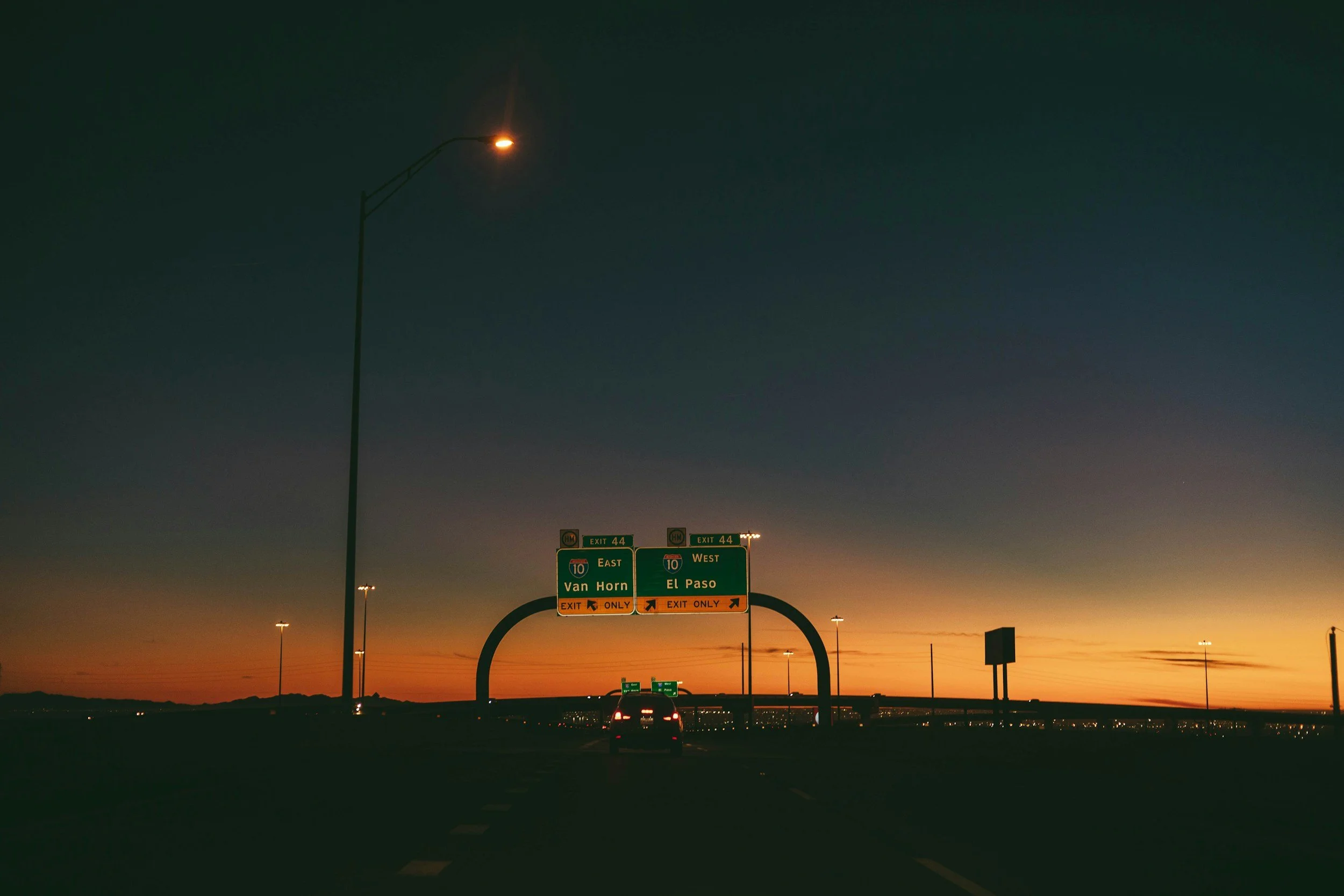
El Paso’s legends often attach themselves to crossings, old buildings, and places that refuse to stay ordinary.
La Llorona Along the Rio Grande
La Llorona is one of the Southwest’s most persistent borderland figures, a weeping woman said to wander near rivers and creeks while mourning her lost children. In El Paso, the Rio Grande gives the legend a local edge because the water is not only a river, but a boundary.The Lady on the Hill
El Paso High School has long carried stories of a ghostly girl, often tied to accounts of a figure in white seen in or near the historic school. The building opened in 1916 and became known locally as “The Lady on the Hill,” giving the legend a fixed address above the city.The DeSoto Hotel Spirits
The DeSoto Hotel opened downtown in 1905 and developed a reputation for lingering spirits before a major fire damaged the building in 2022. Local ghost stories around it often focus on voices, music, and figures remaining in a place no longer whole.
Writing Horror Set in El Paso
A story set here can move through borders without ever leaving the city, because El Paso’s geography keeps reminding characters that every visible line has a history beneath it.
Heat With Memory
The desert should affect what characters notice, what they ignore, and how long they can pretend nothing is wrong.A River That Rewrites
The Rio Grande has altered boundaries before, so a horror plot can treat maps as unstable records rather than fixed truth.Mountains as Witnesses
The Franklin Mountains create a constant vantage point, making secrecy feel temporary even when no person is watching.Sacred Ground, Changed Ground
The missions carry continuity and rupture at once, especially when faith, flood, and displacement occupy the same room.
El Paso horror works best when the supernatural feels less like an invasion and more like something the city has already learned to live beside.
El Paso Horror Writing Prompts
FAQ: Horror Writing in El Paso
-
Border horror, desert horror, folk horror, and historical horror all fit naturally because the city is shaped by thresholds and survival.
-
Yes. The missions, river legends, cemeteries, and desert landscape give supernatural elements grounded local anchors.
-
It is a border city in the Chihuahuan Desert, closer in atmosphere to the Southwest than to central or eastern Texas.
-
Only with care and research. The cities are connected, but Juárez should not be reduced to danger or backdrop.
-
Very. Heat, open distance, dry silence, and sudden storms can change pacing without needing exaggerated description.
-
A lit window high above the city, seen from the mountains, with someone inside looking back.