

Horror Writing in Houston, Texas
The Mosquitoes aren’t the Only Ones Out for Blood
Houston does not announce its strangeness. It sweats through pavement, gathers in bayou bends, and hides whole rooms beneath traffic that never seems to stop moving.
For horror writing in Houston, Texas, the city offers a useful contradiction: everything feels exposed to heat, yet much of its dread comes from what remains covered, flooded, buried, or quietly remembered.
Beneath the Heat, the Water Waits
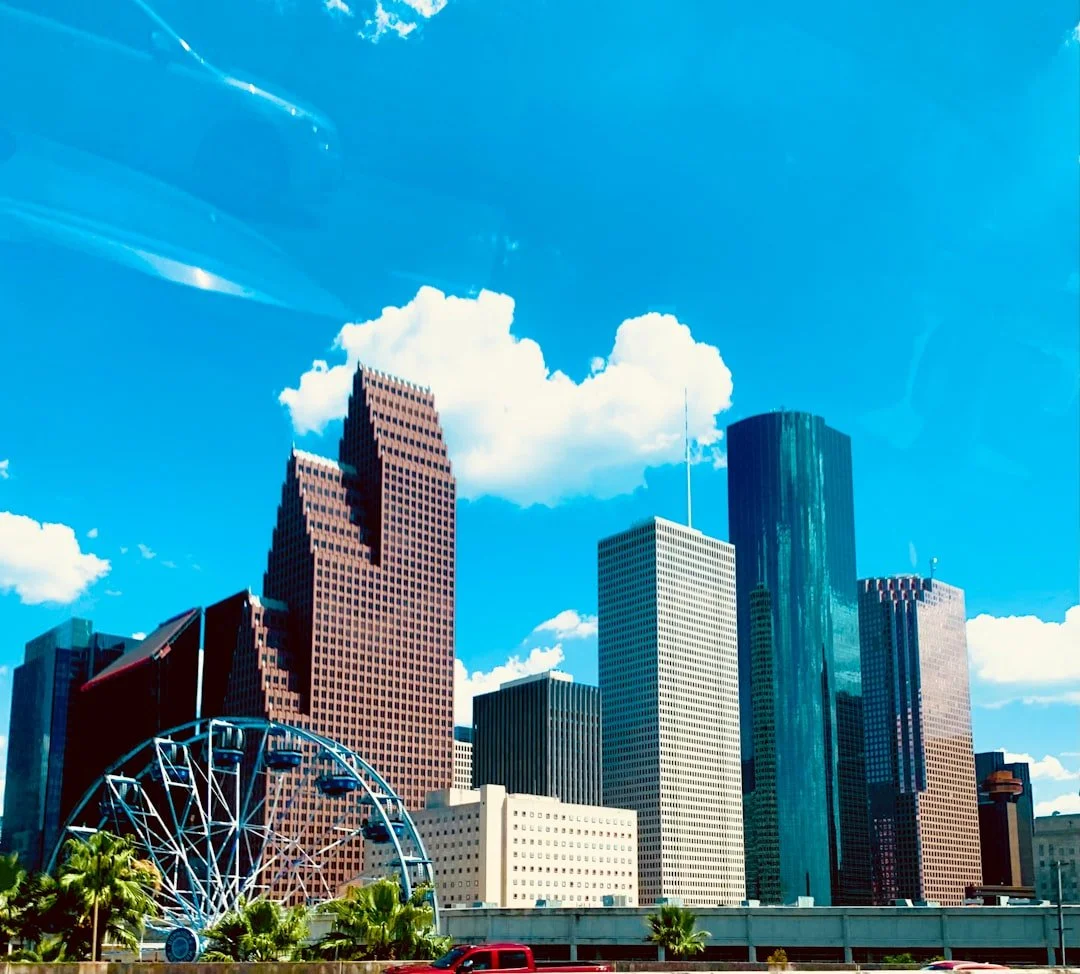

Why Houston Works for Horror Writing
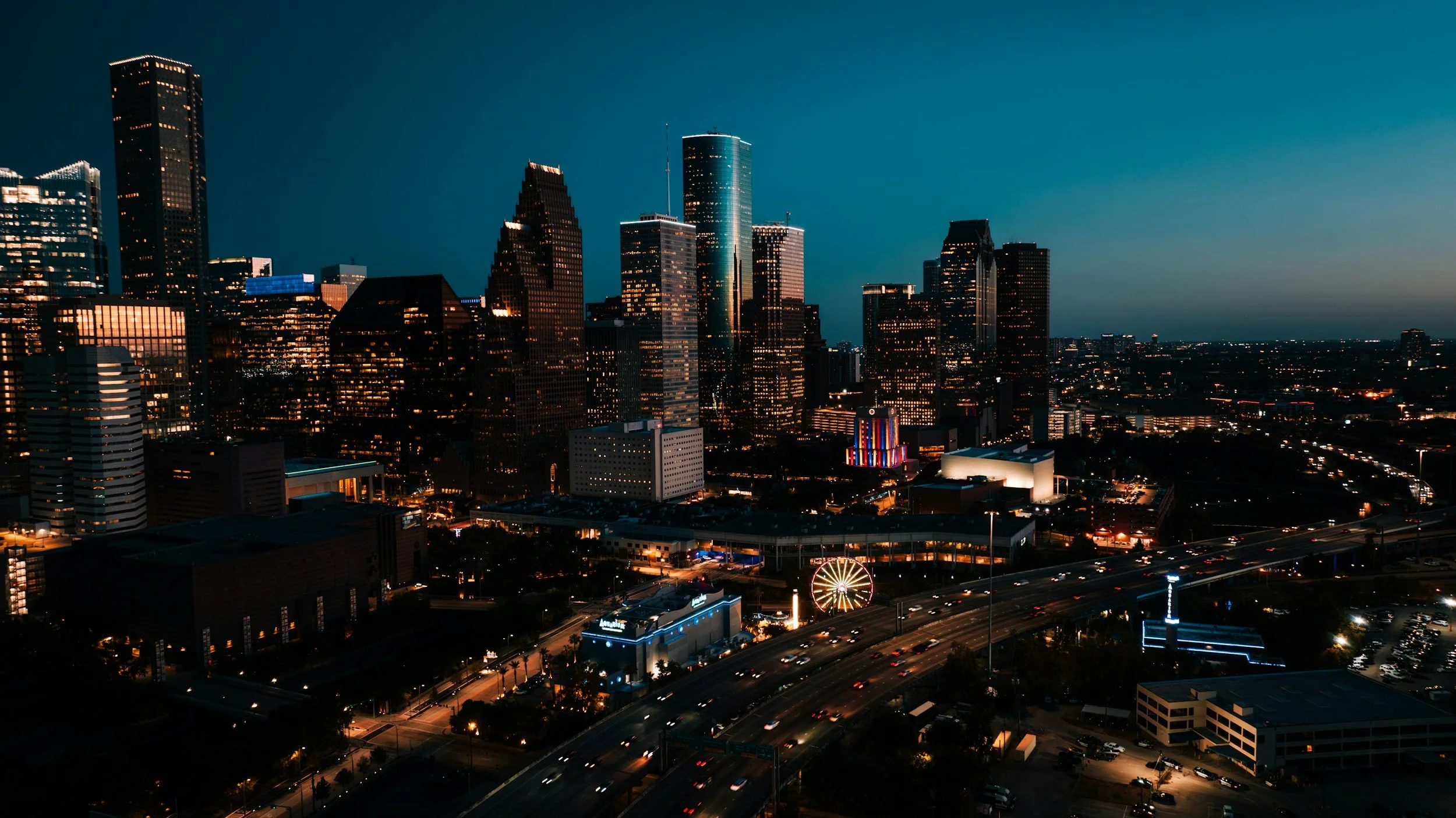
Houston’s strongest horror quality is its instability. The city is expansive with over a dozen major interstates. It is also humid, flood-prone, and layered with reinvention, which gives stories room to shift without warning.
That makes it especially useful for:
Flood horror, shaped by rising water, stalled exits, and homes that turn against their owners
Body horror, fed by heat, insects, sweat, mold, and the feeling of a city that never fully dries
Paranormal horror, rooted in cemeteries, libraries, theaters, and bayou-side rumors
Horror Locations in Houston That Inspire Stories
Houston’s strangest locations often survive by blending into the city’s routine noise and traffic.
Buffalo Bayou Park Cistern
A former underground reservoir built in 1926 beneath Buffalo Bayou. Its endless concrete columns and echoing darkness create an almost dreamlike sense of disorientation.
Glenwood Cemetery
Established in 1871, this cemetery overlooks the bayou from elevated ground. The winding roads and weathered monuments fit stories about legacy and unfinished mourning.
Julia Ideson Building
A historic downtown library completed in 1926 with Spanish Renaissance architecture. Reports tied to its basement caretaker give the building an unnervingly inhabited feeling.
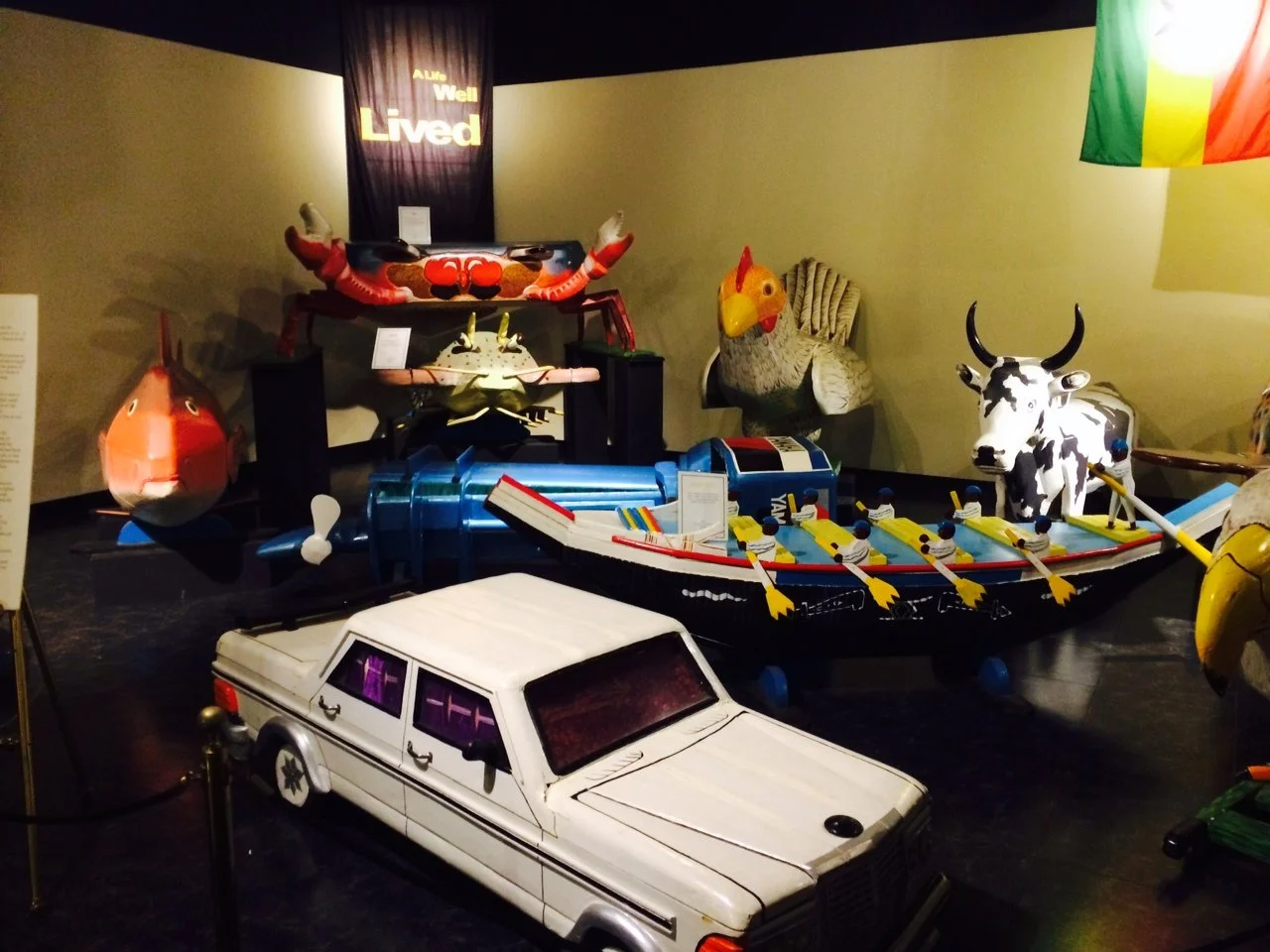
National Museum of Funeral History
This north Houston museum contains antique hearses, funeral artifacts, and preserved mourning traditions. It turns death into something ceremonial and deeply personal.
The Orange Show
Built by postal worker Jeff McKissack using found materials and concrete, this folk-art monument feels strangely isolated despite sitting in the middle of Houston. Its tunnels and handmade structures suit stories about obsession and private worlds that outlive their creators.
Houston Myths Carried Through Floodwater
Many Houston legends revolve around places that continued operating long after something inside them should have been left alone.
The Violin in the Library
Jacob Frank Cramer, a caretaker at the Julia Ideson Building, is said to have lived in the library basement and played violin after hours. After his death in 1936, stories lingered about music in the building and the sound of his dog moving nearby.Mellie Esperson’s Elevator
The Esperson Buildings carry one of downtown Houston’s better-known ghost stories. Mellie Esperson, who commissioned the buildings in honor of her husband, is said to remain near the elevators, which are rumored to open or malfunction without cause.The Alley Theatre Murder
In 1982, Alley Theatre managing director Iris Siff was murdered in her downtown office. Later accounts connected her death to reports of a presence still felt inside the building, turning a place of performance into a site of unresolved violence.The Batman of Houston
During the 1950s, reports spread through Houston about a strange winged figure seen gliding above rooftops and drainage areas at night. Witnesses described something shaped like a man but moving too silently and too high to be human. The stories faded, though occasional sightings still surface in local retellings.Haunted Patterson Road
Patterson Road on Houston’s west side has long been tied to stories of phantom hitchhikers and figures appearing near the tree line after dark. Drivers have described sudden cold spots, silhouettes crossing the pavement, and the feeling that someone is standing just outside the headlights.The Ghosts of Spaghetti Warehouse
For decades, the downtown Spaghetti Warehouse carried stories about a pharmacist who died after falling down an elevator shaft and the grieving woman said to remain beside him. Employees reported hearing voices on the upper floor and seeing objects move without explanation. The original Houston location closed after Hurricane Harvey flooded the building in 2017. Horror author Christina Escamilla, who was born in Houston, grew up familiar with the story after attending school banquets there long before the building went dark.
Writing Horror Set in Houston
Houston changes a story by making certainty feel temporary, especially when weather, distance, and memory begin working against the characters.
Water Beneath Everything
A clear day does not erase flood history here. Characters may behave as if disaster is always possible, even when no one says it aloud.Heat as Witness
Humidity can make private fear feel public. Sweat, insects, and sleepless rooms reveal stress before a character confesses anything.The Endless Drive
Houston’s scale can stretch a simple trip into a test of patience, suspicion, or dread. Distance becomes part of the plot.Old Rooms, New City
Historic spaces can feel stranded inside redevelopment. That contrast gives ghosts, secrets, and inherited guilt a believable place to remain.
In Houston horror, the city does not need to chase anyone; it only has to wait long enough for the waterline to rise.
Houston Horror Writing Prompts

FAQ: Horror Writing in Houston
-
Houston feels less mythic and more unstable. Its horror comes from water, heat, sprawl, and buried history.
-
Yes. Downtown’s older buildings, cemeteries, and historic libraries create a strong urban gothic foundation.
-
Not if it is handled through behavior, memory, and aftermath rather than having the disaster act. as entertainment.
-
Something adaptive, patient, and hard to remove. A creature tied to water, mold, insects, or infrastructure would feel natural.
-
It can, but fictional storms may give you more freedom while still drawing from local flood anxiety.
-
Montrose, downtown, the bayou-adjacent areas, and older residential pockets offer strong atmosphere without needing exaggeration.