

Write Supernatural Horror in Gettysburg, Pennsylvania
Where Every Ghost Gives a Haunting Address
Gettysburg sits in south-central Pennsylvania with a strange compression of scale. Brick homes, farm roads, monuments, college buildings, and open fields stand close enough that the past feels less preserved than trapped in ordinary weather.
For writers, that compression gives supernatural horror in Gettysburg, Pennsylvania a built-in pressure point. The dead are not distant here. They have rooms, roads, hillsides, bridges, basements, and names.
The Town That Never Finished Burying Its Dead

Why Gettysburg Works for Horror Writing
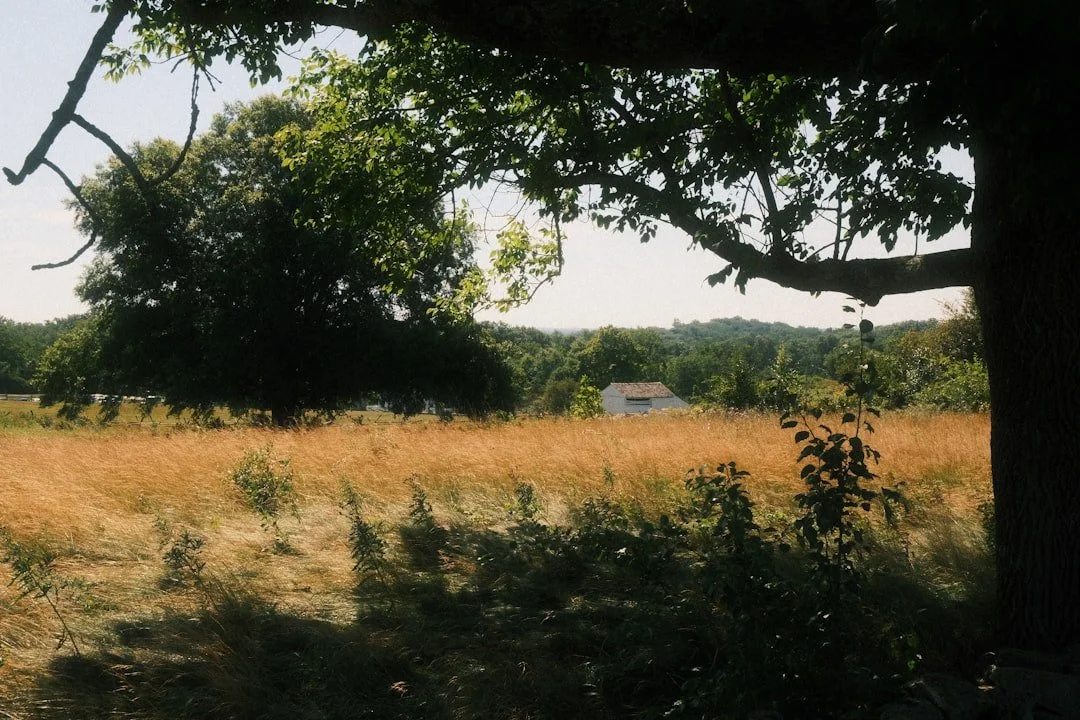
Gettysburg’s strongest horror element is proximity. The battle did not happen in some sealed-off ruin. It moved through town, across farms, into civilian spaces, and left the living to keep functioning beside mass death.
That gives writers room to build stories shaped by:
Battlefield horror, tied to bodies, memory, and violence that refuses to stay historical
Domestic haunting, rooted in homes that became shelters, sickrooms, or death sites
Time-slip horror, shaped by places that seem to replay one terrible hour

Horror Locations in Gettysburg That Inspire Stories
Gettysburg does not hide its dead well. You can find them both lingering out in the open and among the ruins.
Gettysburg National Military Park
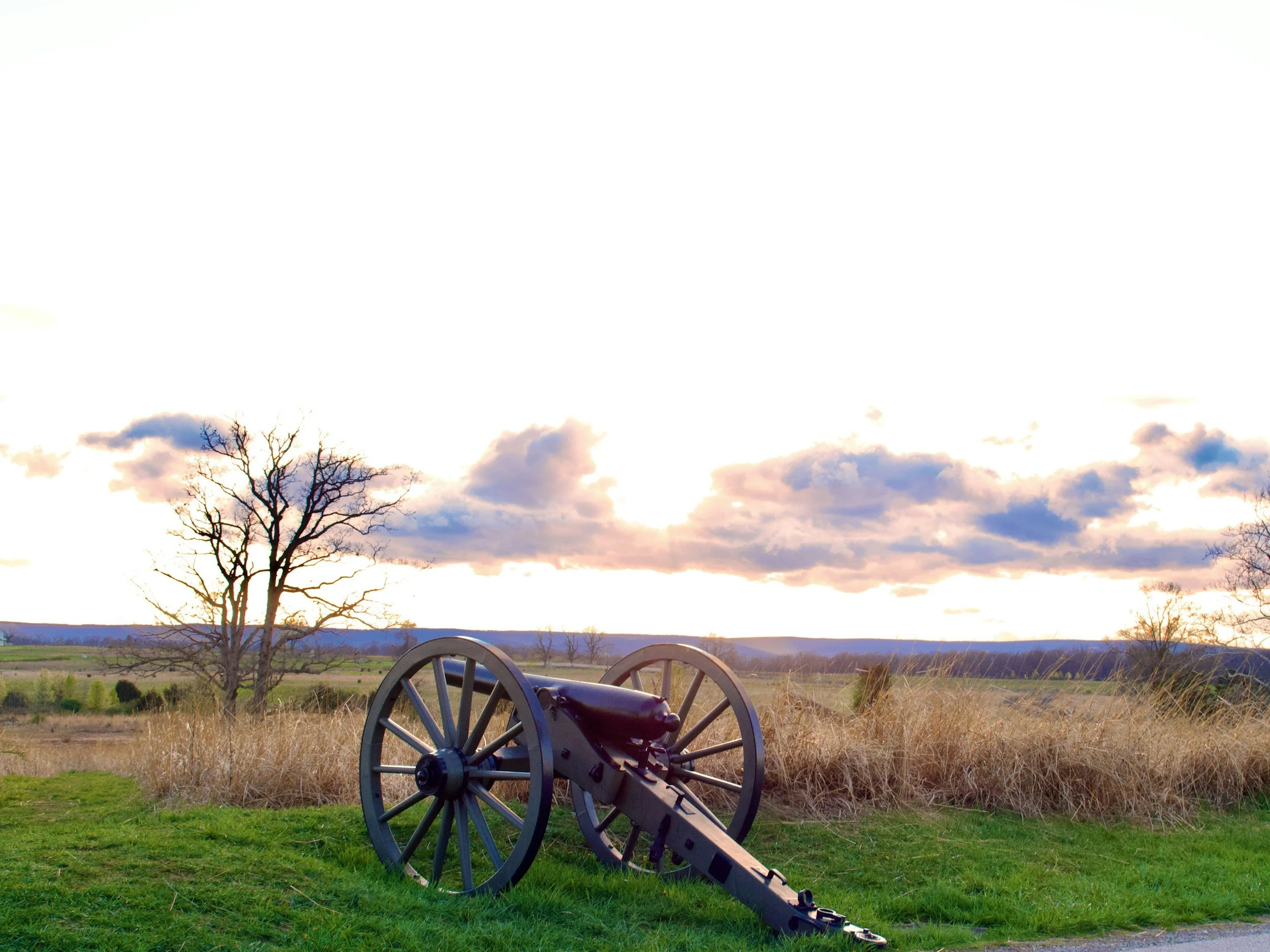
The park preserves the 1863 battlefield, including Cemetery Ridge and Culp’s Hill. Its scale can frame horror as a landscape that remembers every footstep.
Devil’s Den
This boulder field below Little Round Top saw heavy fighting on July 2, 1863. Its fractured rocks suit scenes of pursuit, concealment, and voices without bodies.
Jennie Wade House
Jennie Wade was killed by a bullet while making bread during the battle. The house can turn domestic routine into the exact moment death enters.
Sachs Covered Bridge
This covered bridge spans Marsh Creek and is tied to Confederate retreat stories. In horror, it can become a crossing that returns people changed.
Pennsylvania Hall, Gettysburg College
The college building was used as a hospital after the battle. Its basement legends can anchor institutional horror with blood beneath polished floors.
Tales of Gettysburg That Return to the Same Ground
Gettysburg’s legends often begin with ordinary architecture carrying the weight of unfinished violence.
The Phantom Soldiers of the Battlefield
Visitors have reported figures moving across the fields after dark, sometimes marching in formation, sometimes appearing alone near roads or monuments. The stories usually describe soldiers who do not interact like performers. They seem fixed on orders nobody living can hear.Jennie Wade’s Interrupted Morning
Jennie Wade was the only civilian killed during the battle, struck while preparing bread in her sister’s home. The haunting stories around the house often return to the kitchen, the door, and the bullet hole, narrowing the entire war into one domestic act cut short.The Bridge After Retreat
Sachs Covered Bridge is often linked to stories of Confederate soldiers, retreat, and possible executions. Whether treated as folklore or local tradition, the bridge carries the feel of a threshold, with water beneath it and a road that seems too narrow for what passed over it.The Basement at Pennsylvania Hall
Gettysburg College’s Pennsylvania Hall is said to hold one of the town’s most persistent basement legends. Stories describe hospital scenes glimpsed below the building, with wounded soldiers and medical chaos appearing as if the floor still opens onto 1863.
Writing Horror Set in Gettysburg
The goal of writing horror in Gettysburg is to go beyond it being a haunted place. Instead use:
Public Grief, Private Fear
A character may feel watched even in crowded historic spaces because reverence can make panic seem inappropriate.
The Map Feels Accusatory
Roads, ridges, and markers can turn navigation into confrontation when every direction points toward loss.
Tourism Creates Distortion
Souvenir shops and ghost tours can make real terror harder to identify until it becomes impossible to dismiss.
History Crowds the Present
A modern conflict gains force when the town’s older violence keeps supplying echoes, witnesses, and warnings.
Characters set in this place enter a town that has already assigned meaning to nearly every field, wall, and doorway, which changes how fear behaves on the page.
Gettysburg Horror Writing Prompts
FAQ: Horror Writing in Gettysburg
-
Its horror comes from documented mass violence layered directly over an active town.
-
Yes. Focus on memory, grief, tourism, preservation, or a modern character’s discomfort with inherited history.
-
It can hold both, especially when a haunting makes a character question whether reverence has become obsession
-
Center consequences rather than spectacle. Treat the dead as people, not props.
-
Researchers, skeptics, guides, students, archivists, descendants, and tourists with private guilt all fit naturally.
-
Not necessarily. The town can feel unnerving in daylight because so much horror is already visible.