
Discover Horror Writing in Philadelphia, Pennsylvania
Brotherly Love... for the Dead
Philadelphia does not hide its age cleanly. Brick rowhomes press against burial grounds, old institutions sit beside traffic, and the Schuylkill carries a dull industrial sheen through places that still feel watched. The city’s history is not distant here. It stays close to the sidewalk.
Horror writing in Philadelphia, Pennsylvania blends Revolutionary history with lingering unrest. The city gives horror a body, then asks who has been the guts to examine it.
A City Built Over Its Own Witnesses

Why Philadelphia Works for Horror Writing
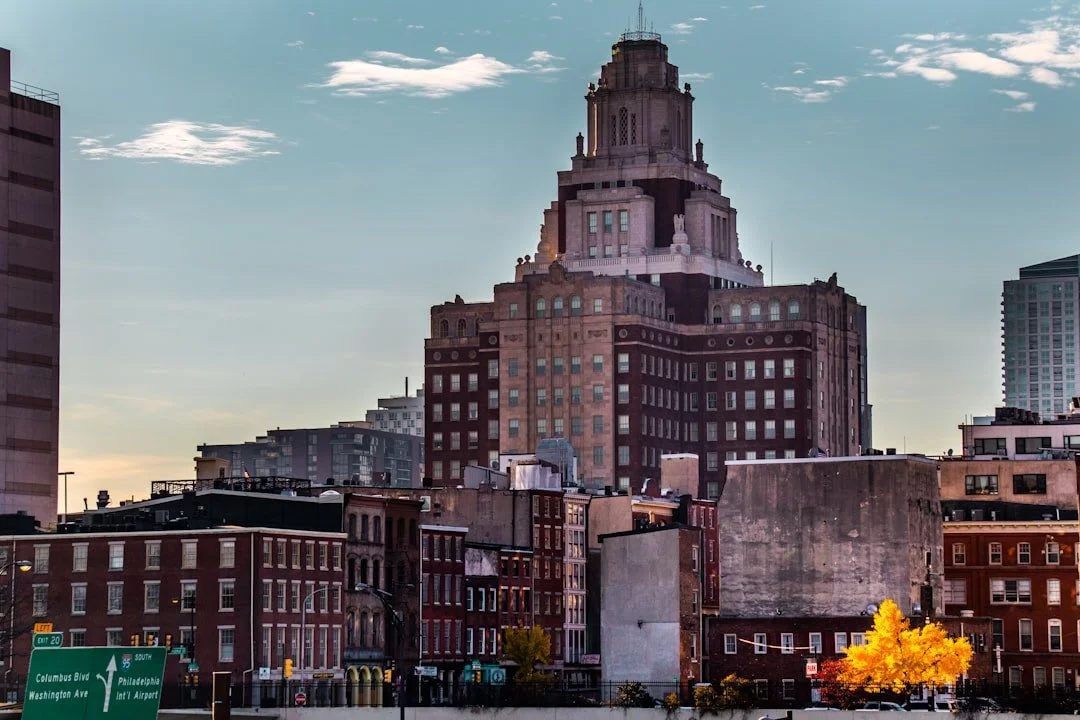
Philadelphia’s strongest horror quality is its layered authority. The city holds prisons, hospitals, courts, cemeteries, historic houses, and revolutionary landmarks close together, making fear feel bureaucratic as much as supernatural.
That gives writers room for stories shaped by:
Institutional horror, rooted in systems that claim to heal, reform, or protect
Anatomical horror, shaped by preserved bodies, medical history, and clinical intimacy
Historical horror, driven by unfinished violence beneath civic memory

Horror Locations in Philadelphia That Inspire Stories
Beneath Philadelphia’s brick corridors and preserved landmarks, old institutions continue casting long shadows.
Eastern State Penitentiary
A former prison opened in 1829, Eastern State used solitary confinement as reform. Its radial cellblocks suit horror about punishment becoming doctrine.
Mütter Museum
This medical museum houses anatomical specimens and historical pathology collections. Its quiet displays can turn bodily knowledge into intimate dread.
Laurel Hill Cemetery
Founded in 1836, Laurel Hill became part of America’s rural cemetery movement. Its hillside monuments invite grief, status, and obsession into one frame.
Fort Mifflin
This Delaware River fort endured heavy Revolutionary War bombardment in 1777. Its casemates can hold military horror with no need for spectacle.
Philadelphia City Hall
City Hall’s tower carries William Penn above hundreds of carved figures. Its massive masonry presence fits stories about government, surveillance, and civic rot.
Dark Folklore Hidden Across Philadelphia
Philadelphia’s legends often attach themselves to institutions, heirlooms, and public landmarks that already carry official history.
The Curse of Billy Penn
After One Liberty Place rose higher than William Penn’s statue in 1987, Philadelphia sports teams entered a long championship drought. The curse was said to break after a small Penn figure was placed atop the Comcast Center during construction, followed by the Phillies winning the 2008 World Series.The Chair at Baleroy Mansion
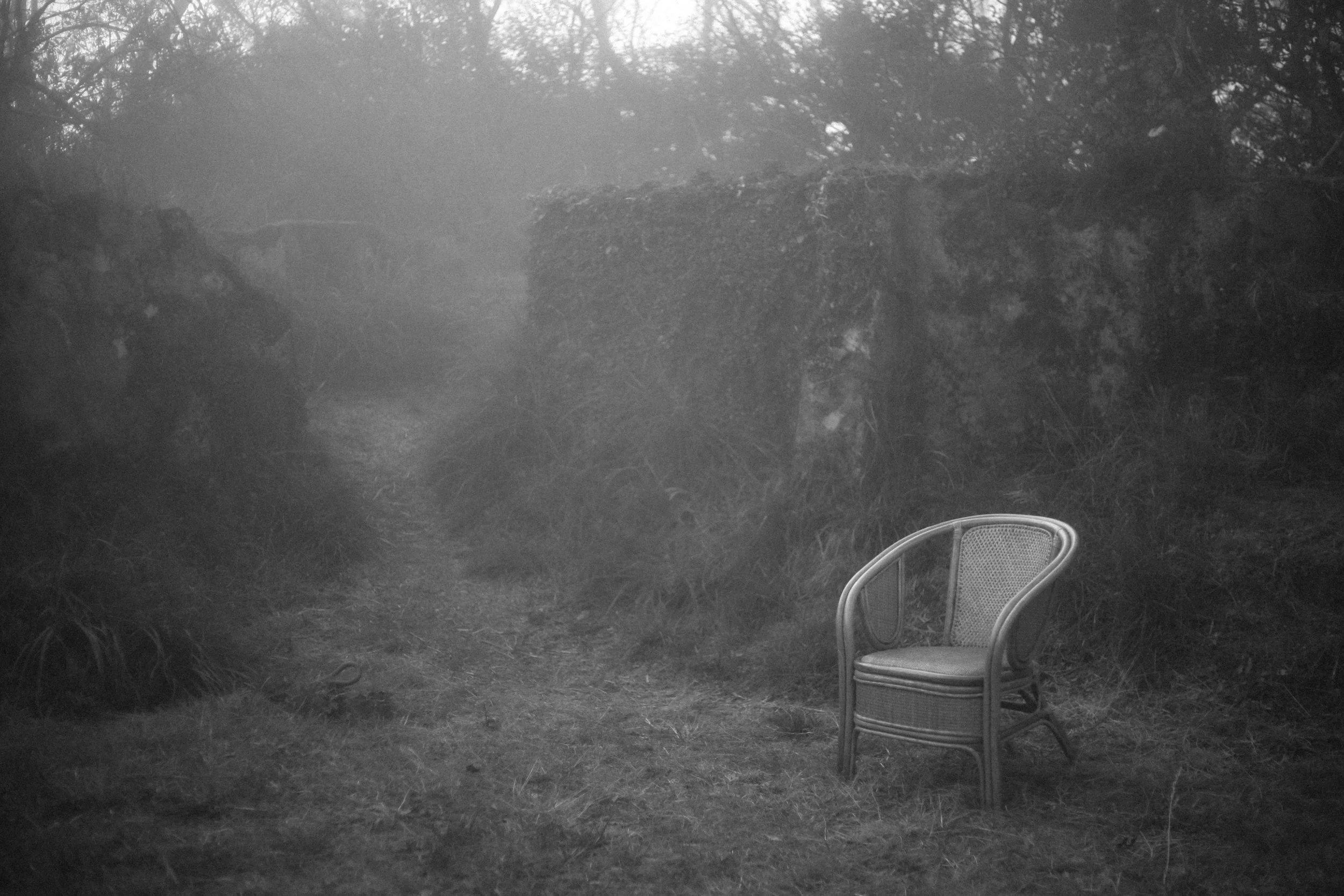
Baleroy Mansion in Chestnut Hill became known for stories about a blue room and a supposedly cursed chair. According to the legend, people connected to the chair died after sitting in it, and the object became linked to a red mist named Amanda.The Screaming Woman of Fort Mifflin
Fort Mifflin’s ghost stories often include a woman heard screaming on the grounds. The figure is commonly tied to Elizabeth Pratt, who lived at the fort and reportedly grieved so violently after her daughter’s death that the sound remained.Devil’s Pool in the Wissahickon
Devil’s Pool sits at the meeting of Cresheim Creek and Wissahickon Creek. Local lore gives the place a spiritual conflict, with stories of a dark force defeated near the water and an imprint left behind in the rock.
Writing Horror Set in Philadelphia
Philadelphia naturally supports horror narratives built around the slow collision between public identity and private decay.
Civic pressure underneath
The city’s official history can make private guilt feel documented before anyone confesses.
Medical intimacy nearby
Horror can become sharper when the body is treated as evidence rather than mystery.
Old institutions breathing
Prisons, hospitals, courts, and forts give characters systems to resist instead of simple villains.
Neighborhood memory lingers
A rowhouse, alley, cemetery path, or museum room can carry consequences across generations.
For writers exploring horror writing in Philadelphia, the city offers a rare balance of historical weight and physical intimacy, allowing tension to accumulate gradually instead of announcing itself outright.
Philadelphia Horror Writing Prompts
FAQ: Horror Writing in Philadelphia
-
Institutional, historical, medical, and urban Gothic horror all feel natural here.
-
Yes. The city’s real history gives ghost stories enough weight to stay grounded.
-
Its fear often comes from authority: prisons, medicine, government, religion, and preservation.
-
Very much. The Mütter Museum and the city’s medical legacy offer strong anatomical atmosphere.
-
Anchor scenes in specific textures: brick, rowhomes, river damp, court buildings, old museums, and narrow streets.
-
Not always, but even modern horror can feel stronger when the past presses against the present.