

Fuel Your Horror Stories in Pittsburgh, Pennsylvania
Steel Town Meets Real Terror
Pittsburgh sits in a bowl of rivers, bridges, hillsides, tunnels, and old industrial corridors. Fog gathers low here, caught between water and stone, while neighborhoods rise above each other in stacked layers of brick, iron, and narrow streets.
For horror writing in Pittsburgh, the city offers pressure from below and above at the same time. A character can feel watched from a hillside, trapped by a river, swallowed by a tunnel, or followed by the memory of work that once burned hot enough to light the sky.
Beneath the Smoke Line Of The City
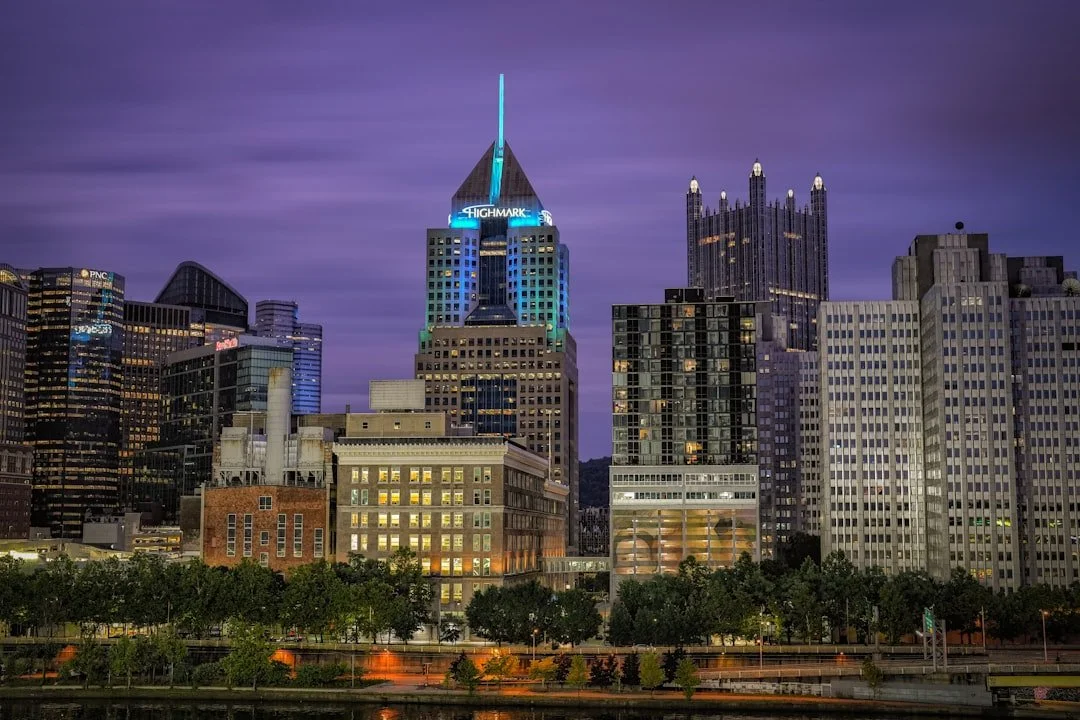

Why Philadelphia Works for Horror Writing
Pittsburgh’s strongest horror quality is compression. The rivers divide the city, the hills interrupt movement, and the industrial past leaves behind structures that feel too large for the lives now moving around them.
That gives writers several kinds of fear to build from:
Industrial horror, shaped by furnaces, labor history, heat, machinery, and abandoned scale
Environmental horror, built around unstable weather
Class horror, rooted in work, extraction, inherited damage, and who gets left behind

Horror Locations in Pittsburgh That Inspire Stories
Pittsburgh hides dread inside places that cast long, eerie shadows.
Carrie Blast Furnaces
Part of the former Homestead Steel Works, these towering furnaces still loom over Rankin. Their rusted catwalks and heat-blackened interiors fit industrial horror rooted in exhaustion and decay.
Western Penitentiary
Originally opened in the 1800s along the Ohio River, the prison became known locally as “The Wall.” Its fortress-like structure lends itself to institutional horror and vanished identities.
Allegheny Cemetery
This sprawling cemetery opened in 1844 and stretches across steep wooded hills near Lawrenceville. Narrow roads and hidden mausoleums create quiet tension without needing isolation.
Monongahela Incline
Operating since 1870, the incline drags passengers above the city at a slow, exposed pace. The climb feels suspended between observation and vulnerability.
Phipps Conservatory and Botanical Gardens
The conservatory’s massive glasshouse dates back to 1893 and holds dense tropical environments year-round. It suits horror centered on controlled growth and enclosed ecosystems.
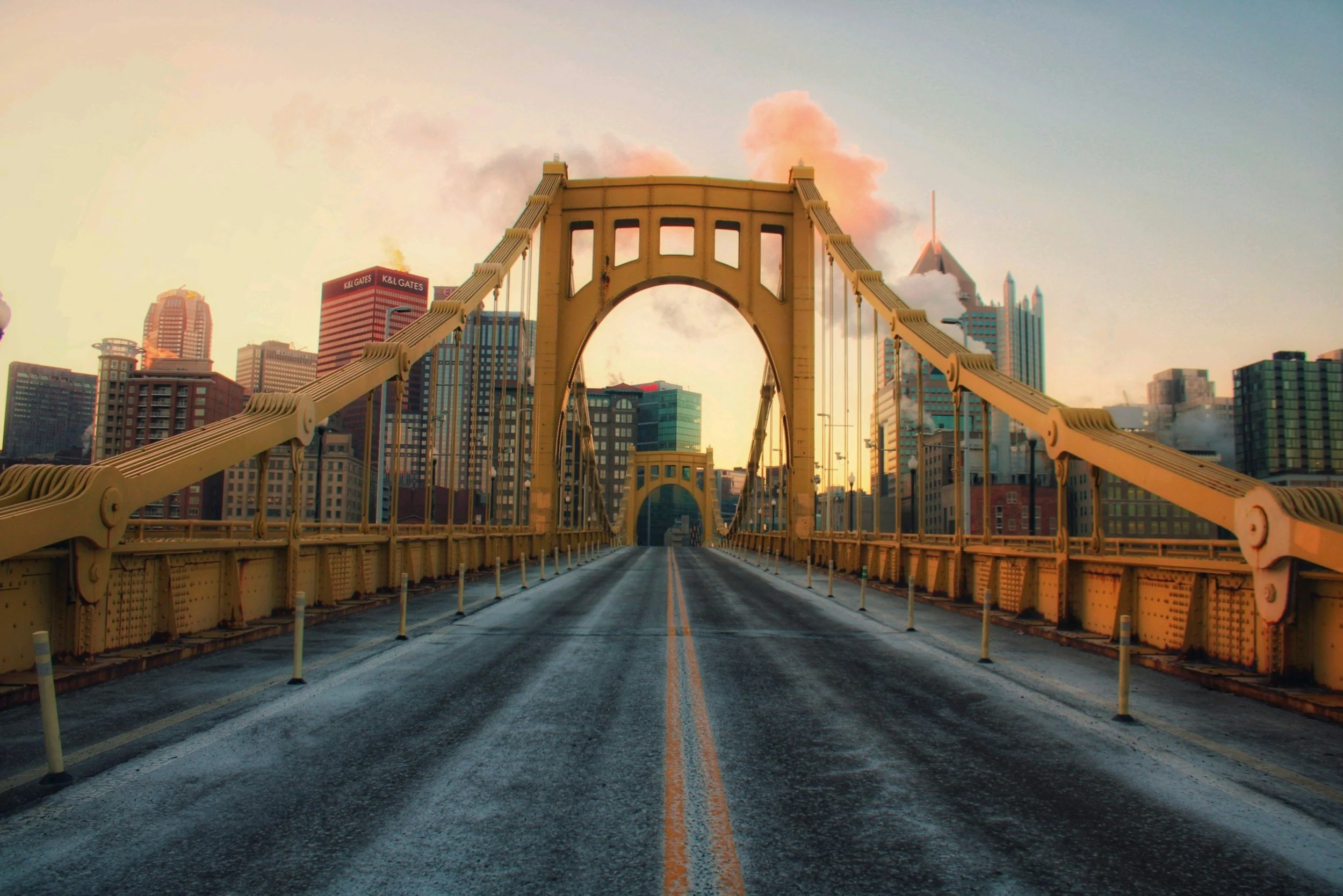
Pittsburgh Tales That Cling to the Hills
Pittsburgh legends often attach fear to movement, especially roads, tunnels, rivers, and houses people cannot quite prove were safe.
The Green Man
The Green Man legend comes from stories surrounding Raymond Robinson, a real man severely injured by electrical wires as a child. Teenagers later claimed to see a glowing or disfigured figure along dark roads outside Pittsburgh, turning a human tragedy into a regional ghost story.Blue Mist Road
Blue Mist Road, often linked to Irwin Road in the North Hills, carries stories of strange fog, shadow figures, witches, and hostile presences near the woods. The legend shifts depending on who tells it, but the constant detail is the road itself becoming less reliable after dark.The Ghost Bomber of the Monongahela
In 1956, a B-25 bomber made an emergency landing in the Monongahela River and sank. The crew survived, but the aircraft was never recovered, which helped fuel rumors that something secret disappeared under the water.The Congelier House
The Congelier House is one of Pittsburgh’s most debated hauntings, tied to a supposed North Side mansion, murder, decapitation stories, and later disaster. Some versions insist the house stood on Ridge Avenue, while others treat the entire tale as urban legend wearing a local address.
Writing Horror Set in Pittsburgh
Pittsburgh often feels like a city still carrying heat beneath the surface.
Riverbound Isolation
Characters can feel emotionally stranded even inside crowded neighborhoods because the terrain quietly limits movement and escape.
Steel Mill Residue
Old industrial spaces leave behind a sense of physical exhaustion that lingers long after the machinery stops.
Elevated Watching Points
Hillsides and overlooks create the uneasy impression that someone is always observing the city below.
Tunnel State of Mind
Entering Pittsburgh through its long tunnels can turn arrival into a moment of disorientation and psychological shift.
Even ordinary routines in Pittsburgh can feel heavy once the city settles into the background of a story.
Pittsburgh Horror Writing Prompts

FAQ: Horror Writing in Pittsburgh
-
Its geography traps the industrial past inside a city of rivers, hills, tunnels, and dense neighborhoods.
-
Yes. Botanical horror, courthouse horror, river horror, academic horror, and neighborhood hauntings all fit the city.
-
Very much. The terrain naturally delays movement, limits sightlines, and makes ordinary travel feel tense.
-
Something adapted to tunnels, floodwalls, furnace ruins, old stairways, or wooded roads outside the city.
-
Pay attention to elevation, bridges, weather shifts, neighborhood edges, and the way people navigate around rivers.
-
Yes, especially when treated as unstable local memory rather than fixed folklore.