

Craft Macabre Horror Stories in Knoxville, Tennessee
The Hills Have Eyes…and They’re Reading Over Your Shoulder
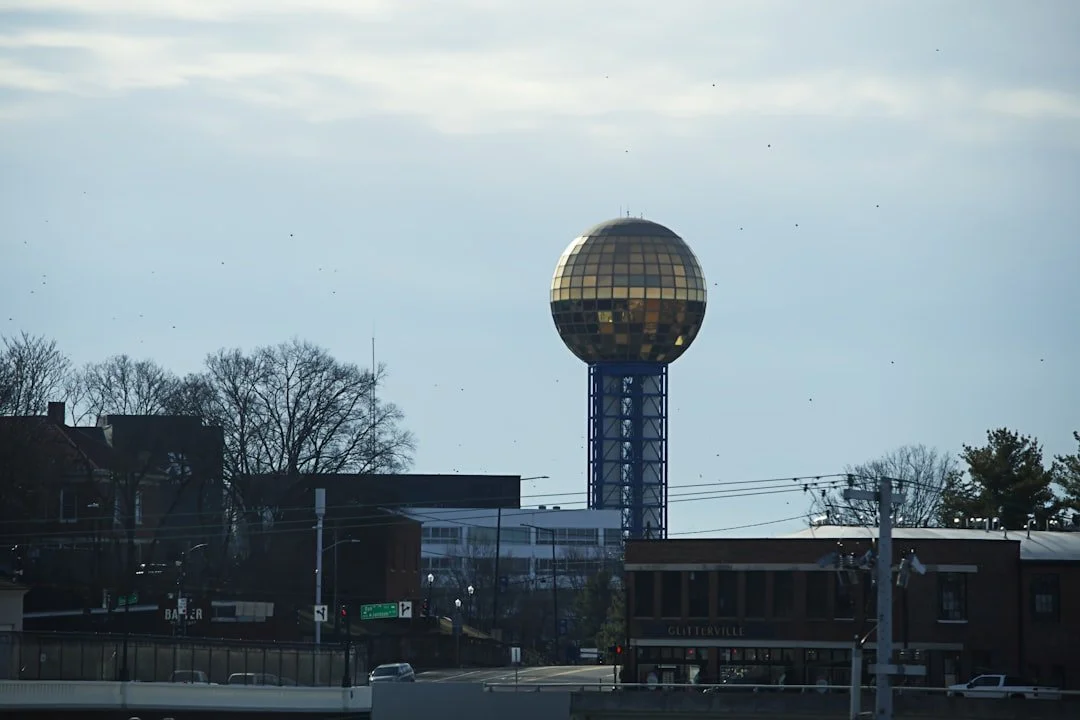
Knoxville sits low against the Tennessee River, with hills rising close enough to make the city feel watched from several angles. Downtown keeps its older bones visible through brick, theater marquees, cemetery stone, rail corridors, and streets that still seem to remember smoke.
For writers, horror writing in Knoxville draws power from that overlap: mountain nearness, Civil War fractures, preserved public spaces, and academic proximity to death research. The result is a city that can make ordinary streets feel quietly cross-examined.
Marble Streets and Hollow Hills

Why Knoxville Works for Horror Writing
Knoxville’s horror comes from contradiction. Marble City carries the shape of an old industrial river town, yet the mountains never feel far enough away to disappear. College students move through streets bordered by abandoned rail lines, quarries, and buildings older than the state itself. Even in daylight, parts of the city feel caught between public life and something older watching from the ridges.
That gives writers several distinct forms of fear to explore:
Psychological horror, shaped by surveillance, memory, and the feeling of being studied
Appalachian gothic, rooted in hill shadows
Forensic horror, influenced by the city’s proximity to real death research
Historical horror, driven by violence that never fully leaves public ground

Horror Locations in Knoxville That Inspire Stories
Knoxville’s unease gathers in public places with long memories.
Market Square
Founded in 1854, Market Square has remained a public market for generations. Its open layout suits horror built around crowds, repetition, and a vendor who never ages.
Gay Street
Gay Street was part of Knoxville’s early city plan and became its first paved road in 1854. Use its theaters and offices for stories about civic memory turning predatory.
Old Gray Cemetery
Founded in 1850, Old Gray covers 13 acres near downtown. Its garden-cemetery design can frame grief as something cultivated, pruned, and never removed.
Mabry-Hazen House
Completed by 1858, Mabry-Hazen House overlooks downtown, the river, and the Smokies. Its preserved rooms can hold horror around family legacy and watched inheritance.
Mead’s Quarry at Ijams
Mead’s Quarry Lake sits within Ijams Nature Center, tied to Knoxville’s marble history. Its cut stone walls make water feel contained, observed, and unwilling to stay quiet.
Knoxville Legends That Still Cling To The Trees
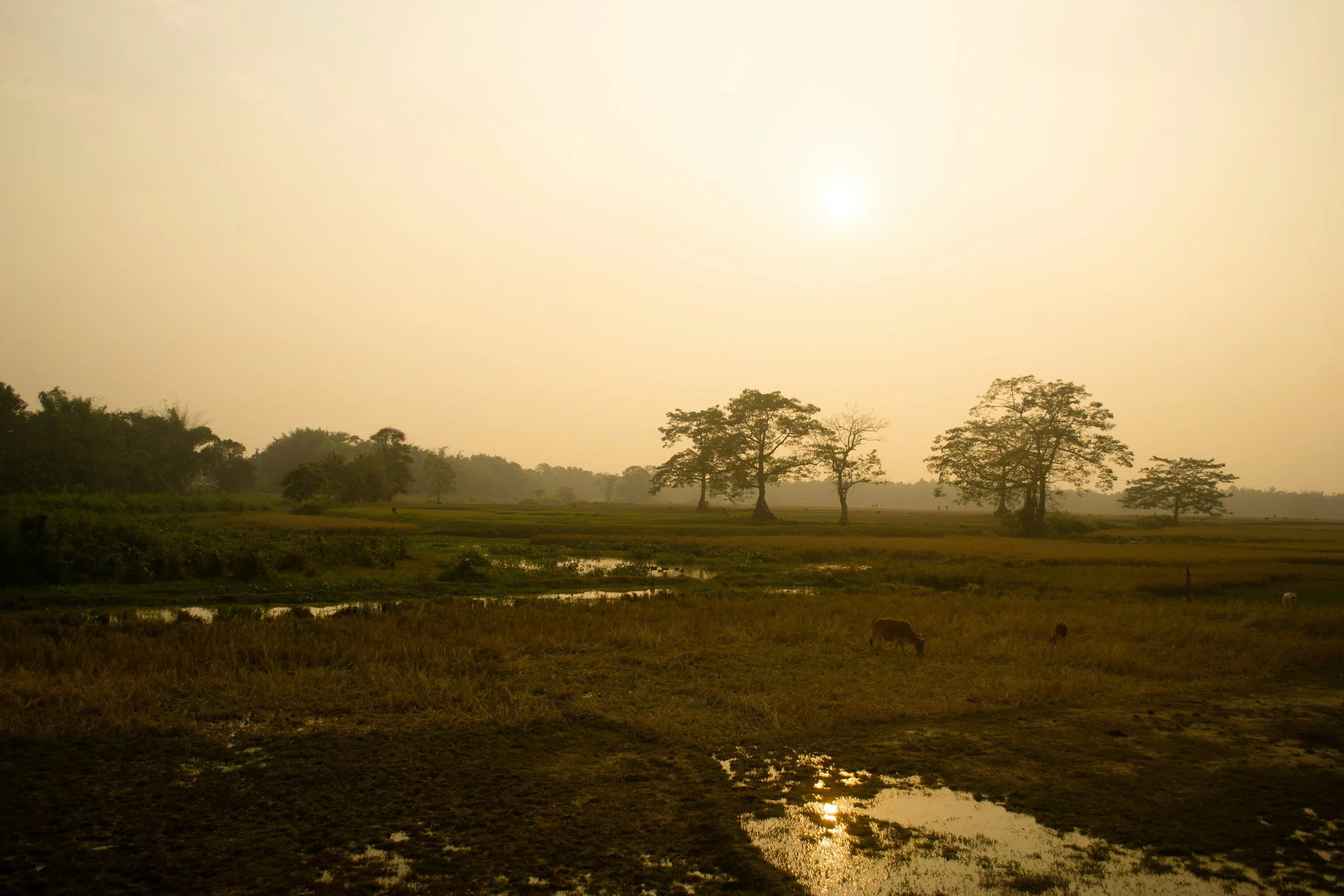
Knoxville’s legends often attach themselves to buildings that already carry records of violence, performance, or death.
The Baker-Peters House
The Baker-Peters House is tied to the Civil War killing of Dr. Harvey Baker and the later hanging of his son, Abner Baker, after an angry Unionist mob pulled him from jail. Modern haunt stories often place unrest inside the house itself, turning a preserved structure into a container for Knoxville’s divided loyalties.The Bijou Theatre Hauntings
The Bijou Theatre is part of the old Lamar House property, a building with a long life before entertainment became its main identity. Haunted accounts describe locked doors opening, lights flickering, and strange activity on upper floors, giving the theater a reputation that feels tied to both performance and neglect.The Body Farm Rumors
The University of Tennessee’s Anthropology Research Facility, widely known as the Body Farm, has inspired rumors because its real purpose already sounds unreal. It is a research site for human decomposition, not a tourist attraction, and its secrecy feeds stories about what can be learned from bodies left outdoors.
Writing Horror Set in Knoxville
To effectively write horror set in Knoxville, Tennessee, focus on:
Hillside Observation
Characters may feel watched before they understand who or what has the higher ground.
Public Places After Hours
A square, theater, or street can become more threatening once its normal purpose has emptied out.
Research Near Death
Academic language can make horror colder when characters treat the body as evidence before they treat it as human.
Old Violence, New Routine
Daily errands can brush against historic grief without anyone stopping long enough to name it.
Give your character a specific routine, and then break it to create something truly terrifying.
Knoxville Horror Writing Prompts
FAQ: Horror Writing in Knoxville
-
Appalachian gothic, forensic horror, historical horror, and quiet psychological horror all fit the city’s terrain and history.
-
Yes. Downtown Knoxville has enough density for city-based horror, while the nearby hills and river keep the atmosphere distinctly East Tennessee.
-
Only with care. It is a real research facility connected to donated human remains, so fiction should avoid treating it like a haunted attraction.
-
Knoxville is more civic and layered. It has courts, theaters, campuses, markets, cemeteries, and riverfront spaces rather than pure mountain isolation.
-
Yes, especially when the story treats preservation as tension. A restored room can feel less comforting when it appears too carefully maintained.
-
Anchor scenes in specific pressures: steep streets, river humidity, brick commercial blocks, old theaters, and the sense of the hills closing in.