

Write Dark Fiction in Nashville, Tennessee
A Little Bit of Country… and a Lot of Rock n’ Hell
Nashville sits on the Cumberland River with music leaking from doorways long after the streets should have gone quiet.
For horror writing in Nashville, the tension lives in performance. People come here to be heard, remembered, discovered, remade. That makes the city useful for stories about ambition, obsession, public masks, private ruin, and the uneasy feeling that some voices keep singing after the body is gone.
Songs Left Under the Floorboards
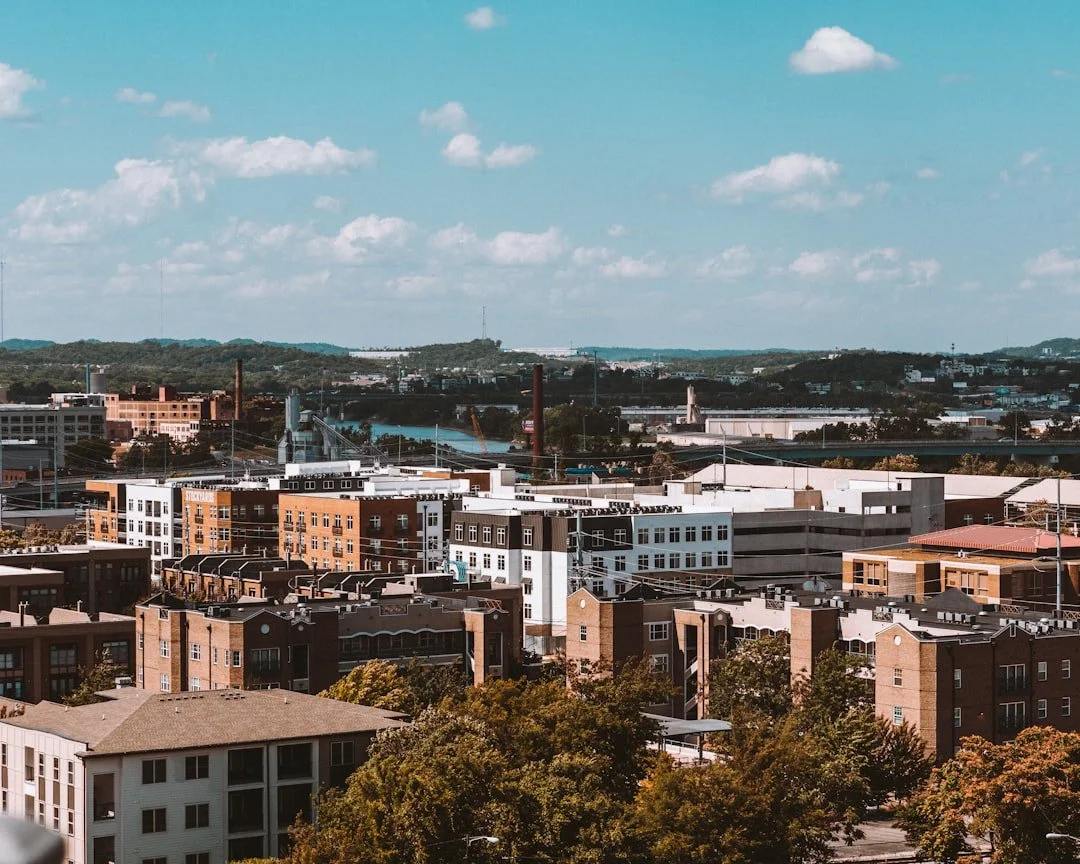

Why Nashville Works for Horror Writing
Nashville’s strongest horror quality is the collision between spectacle and burial. A character can stand beneath stage lights while the city’s dead sit only a few streets away, folded into historic cemeteries, Civil War ground, and old institutions repurposed or left behind.
That pressure lends itself to stories shaped by:
Performance horror, built around fame, imitation, and the cost of being watched
Institutional horror, shaped by prisons, hospitals, churches, and civic buildings
Folkloric horror, carried through songs, rumors, roadside stories, and inherited fear

Horror Locations in Nashville That Inspire Stories
Some places in Nashville seem to keep recording after closing.
Ryman Auditorium
Built in 1892 as the Union Gospel Tabernacle, the Ryman later housed the Grand Ole Opry. Its pews and balcony suit horror about worship, applause, and voices that return.
Tennessee State Prison
Opened in 1898 and closed in 1992, this Gothic prison still stands behind stone walls. It can frame stories about confinement, rot, and authority without mercy.
Nashville City Cemetery
Established in 1822, this cemetery holds founders, soldiers, and civic figures. Its age makes it useful for horror built around records, names, and graves that outlast memory.
Fort Negley
This Civil War fort was built by enslaved and free Black laborers under Union control. Its limestone remains can carry stories about forced labor, silence, and buried violence.
Union Station Nashville Yards
Opened in 1900 as a railroad terminal, Union Station now operates as a hotel. Its grand interior can turn arrivals, departures, and waiting rooms into something predatory.
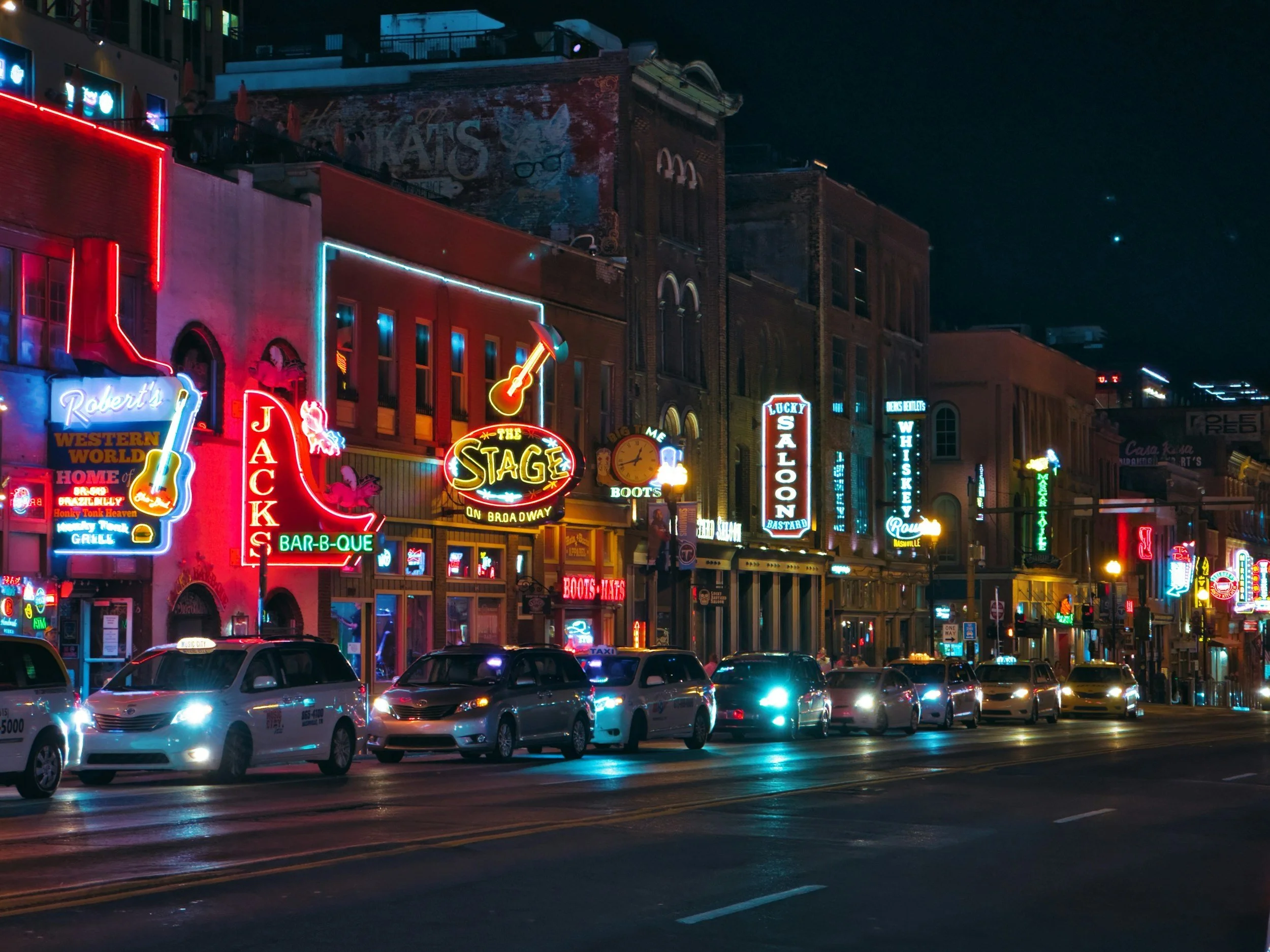
Nashville Myths Passed Through Generations
Nashville’s legends often circle voices, buried bodies, and unfinished arguments.
The Bell Witch
The Bell Witch legend began northwest of Nashville in Adams, Tennessee, with the Bell family reportedly tormented from 1817 to 1821. The spirit was said to speak, knock, slap, curse, and single out John Bell and his daughter Betsy, turning a rural haunting into one of Tennessee’s most repeated ghost stories.The Capitol’s Buried Dead
The Tennessee State Capitol contains the remains of architect William Strickland and several others connected to the building’s history. Local ghost stories often claim Strickland and Samuel Morgan still quarrel inside, although modern historians dispute the idea that their real relationship was hostile.Suicide Rock at Nashville City Cemetery
One cemetery legend centers on Ann Rawlins Sanders, whose grave is marked by an unusual stone known as Suicide Rock. The story ties her death to a domestic quarrel and a desperate walk through the city, giving the grave a reputation that has outgrown the record.The Ryman’s Lingering Presence
Stories attached to the Ryman often involve footsteps, cold spots, and unseen figures in a room built first for sermons and later for music. The legend feels less like a single ghost than a residue of crowds, worship, and performers who never fully exited.
Writing Horror Set in Nashville
In Nashville you can capture the essence of horror through:
Sound as evidence
A repeated lyric, bad recording, or unexplained harmony can reveal what a character refuses to face.
Fame with teeth
Ambition feels sharper when every room contains someone waiting for a chance to replace you.
Old stone, new money
Nashville’s redevelopment can create tension between polished surfaces and what had to be buried first.
Crowds without safety
A packed venue, festival street, or hotel lobby can make isolation feel stranger because witnesses are everywhere.
Ground the story in something physical, even if it wasn’t originally meant to be. A song can become evidence, a rehearsal can become ritual, and a crowd can hide the one person who is not clapping.
Nashville Horror Writing Prompts
FAQ: Horror Writing in Nashille
-
Southern Gothic, supernatural horror, psychological horror, and fame-centered horror all fit the city’s mix of music, history, and performance.
-
Yes. Focus on sound, ambition, churches, prisons, rivers, redevelopment, and old civic spaces instead of relying only on honky-tonks.
-
It is a Tennessee legend rather than a Nashville-specific one, but its proximity and cultural reach make it relevant for regional horror.
-
Nashville’s unease often comes from public performance. The city knows how to turn grief, longing, and reinvention into spectacle.
-
Yes. Fort Negley, Nashville City Cemetery, Tennessee State Prison, Union Station, and the Capitol offer stronger atmospheric material.
-
Stay close to lived details: rehearsal rooms, river damp, old limestone, backstage corridors, apartment construction, and songs heard through walls.