
Write Psychological Horror in Los Angeles, California
Where Dreams Rot Faster Than Corpses
It is no secret that LA runs on perception. It is a city designed to be seen a certain way, built on sets, edits, and carefully controlled narratives. What exists on the surface rarely matches what sits underneath it.
For writers working on psychological horror in Los Angeles, California, the tension comes from that split. The distance between who someone is and who they present. The way spaces are constructed, then abandoned. The sense that something is always slightly off, even in broad daylight.
When the Glitz and Glamor Break Down


Why Los Angeles Works for Horror Writing
The stage lights are constant, but they flatten more than they reveal. Entire environments are built for production, then left behind once they are no longer needed. People arrive to become something else, and not all of them succeed.
This makes Los Angeles especially effective for:
Psychological horror, centered on identity, perception, and control
Industry-driven horror, where ambition reshapes behavior and morality
Surreal horror, where environments feel real but function incorrectly

Horror Locations in Los Angeles That Inspire Stories
If you are exploring where to write in Los Angeles, these locations offer strong narrative direction.
The Hollywood Roosevelt Hotel
A landmark hotel opened in 1927, still active and highly trafficked. Its polished environment supports stories where something persists unnoticed within daily activity.
The Cecil Hotel
Opened in 1924, tied to numerous deaths and long-term residents. Its repeated history makes it effective for narratives built around patterns and recurrence.
The Los Feliz Murder House
A 1950s home left largely untouched after a family tragedy. Its preserved interior creates a setting where time feels paused rather than passed.
Griffith Park
Over 4,000 acres of trails, hills, and isolated areas within the city. Its scale allows for disorientation and loss of direction without leaving the urban environment.
Linda Vista Community Hospital
A former hospital closed in the 1990s and later used for filming. Its staged realism makes it ideal for stories about performance versus actual experience.
Legends and History That Distort Los Angeles
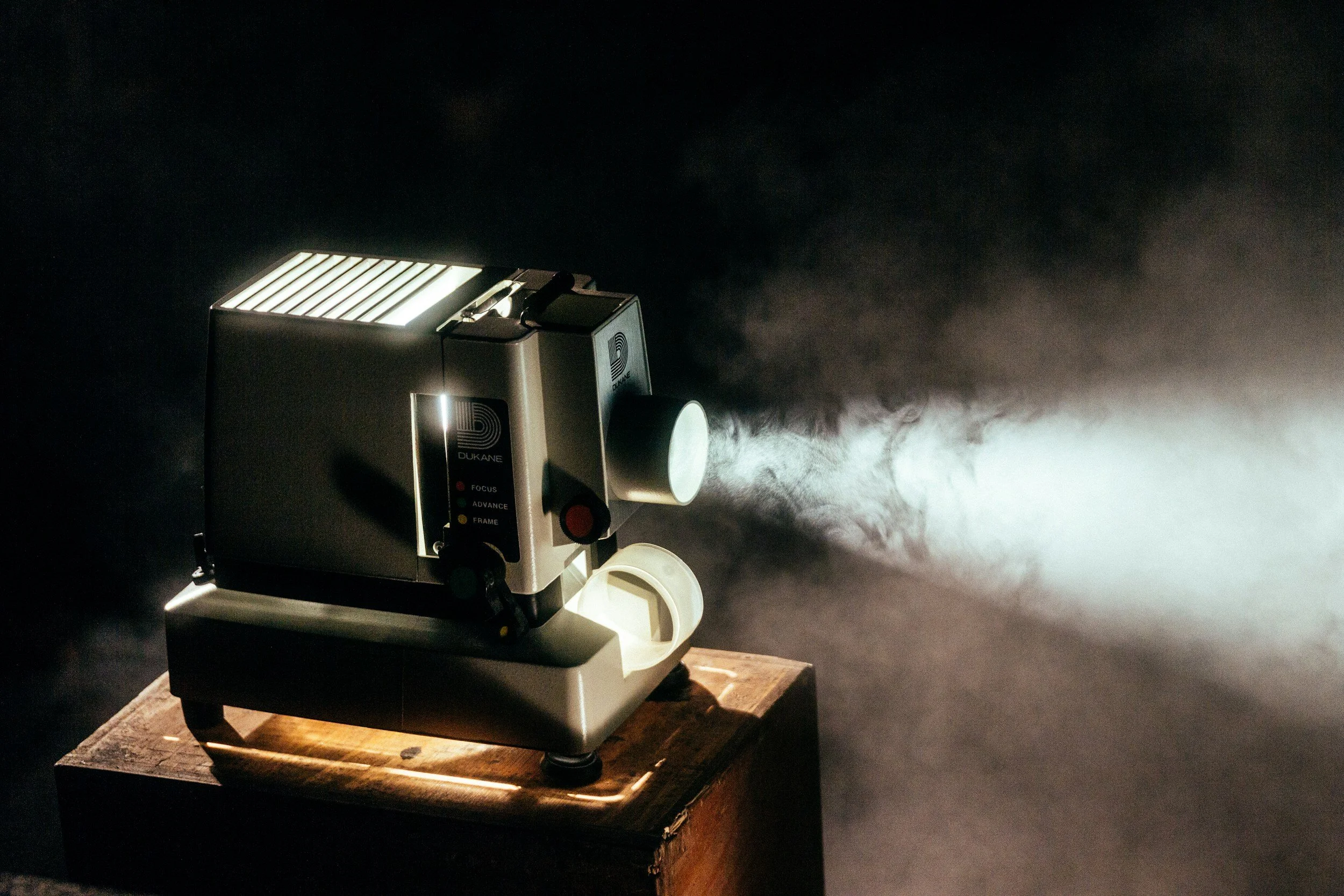
LA tends to hold onto stories that involve identity, repetition, and the breakdown between performance and reality.
The Black Dahlia (Leimert Park)
In 1947, Elizabeth Short was found murdered in a vacant lot, her case remaining unsolved. What lingers is not just the violence, but the way her identity became fragmented through media coverage, speculation, and retelling.The Hollywood Sign Suicide (Peg Entwistle)
An actress jumped from the “H” of the Hollywoodland sign in 1932 after struggling to find work. Reports over the years describe a figure appearing near the sign, often accompanied by the scent of gardenias, the perfume she was said to wear.The Pasadena Suicide Bridge (Colorado Street Bridge)
Known for a high number of suicides during the early 20th century, the bridge carries reports of figures seen standing along the edges or appearing briefly in the roadway. Drivers describe moments where something is there, then gone, with no clear transition.The Underground Tunnels (Downtown Los Angeles)
Beneath parts of downtown is a network of service tunnels and former passageways, once used during Prohibition and for city infrastructure. Urban explorers have described disorientation, sudden drops in temperature, and the sense of movement in spaces that should be empty.The Silent Film Stage Residue
Early Hollywood sets were often dismantled quickly, with little preservation. Some crew members have described returning to locations where filming once took place and experiencing sound or movement that does not match the current environment, as if fragments of performance remain.
Writing Horror Set in Los Angeles
Los Angeles doesn’t hide things. It reframes them. That idea of “wrongness” can be elevated when you:
Prioritize perception over action
What characters notice matters more than what they doLet identity shift subtly
Behavior should change depending on contextDisrupt sequence
Events should not always follow a clear orderKeep reality intact, but questionable
Nothing needs to break completely
Los Angeles works when certainty erodes without collapsing.
Los Angeles Horror Writing Prompts
FAQ: Horror Writing in Los Angeles
-
No, but understanding how image and reputation function in the city helps. The focus is less on technical accuracy and more on perception.
-
Yes. Certain hills, trails, and residential areas can feel disconnected, especially at night or during off-hours.
-
Selective realism works best. Specific details ground the story, but the city supports distortion and unreliability.
-
Yes. While the industry is a strong theme, the city’s scale, layout, and environment offer many other directions.
-
Bright light, dry air, long distances between locations, and sound that carries unevenly depending on space and elevation.
-
Focus on what feels slightly off rather than overtly strange. Small inconsistencies are more effective than extreme events.