
Plot Your Horror Novel in Orlando, Florida
Where Every Day is a Scream Come True
Orlando sits inland, humid and bright, built on lakes, drainage, old roads, controlled fantasy, and sudden storms. Its unease comes from contrast: polished entrances, wet ground, artificial cheer, and wildlife watching from the edges.
For writers, plotting your horror novel in Orlando, Florida is not just about theme parks. Horror writing in Orlando can pull from performance, surveillance, heat, water, and the strange pressure of a city designed to keep people smiling.
Beneath the Manufactured Weather

Why Orlando Works for Horror Writing
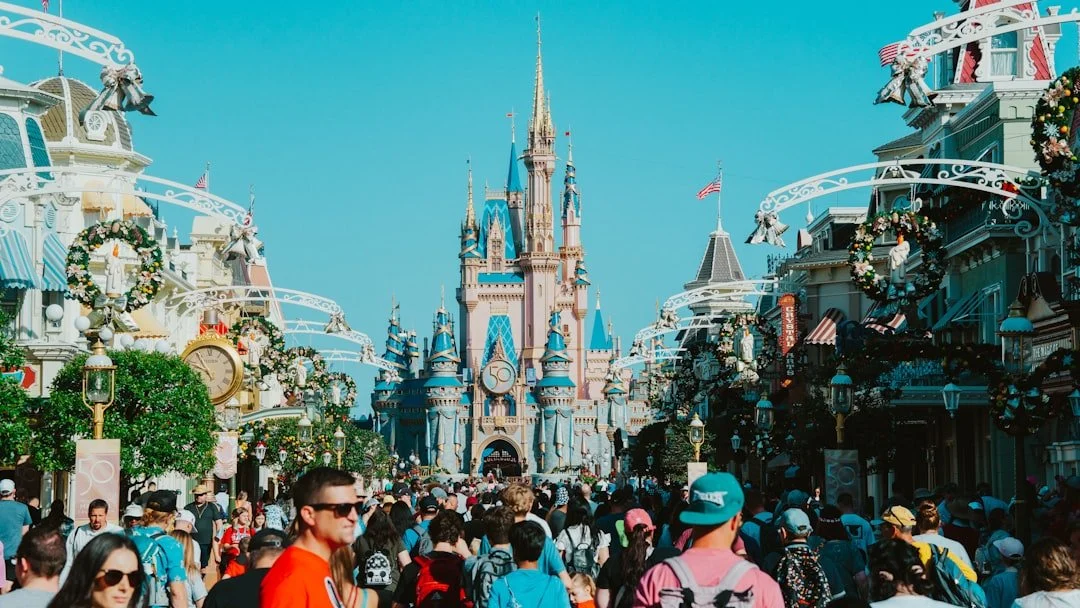
Orlando’s strongest horror quality is its insistence on enchantment. The city is full of places designed to anything negative behind a finished surface. That tension gives horror a useful double image: what visitors are meant to see and what keeps moving underneath.
That pressure can shape several kinds of horror without turning the city into a caricature.
• Psychological horror, built around forced happiness, customer-facing masks, and private collapse
•Tourism horror, driven by anonymity, crowds, rented rooms, and people disappearing in plain sight
• Performance horror, centered on costumes, scripts, artificial worlds, and identity treated as a job requirement

Horror Locations in Orlando That Inspire Stories
There are plenty of sinister spots in Orlando that hide something dark below the cheery surface:
Lake Eola Park
Downtown Orlando’s sinkhole lake became a public park in 1888; its swans make beauty feel managed, perfect for horror about watched water.
Harry P. Leu Gardens
Leu Gardens covers 50 acres and includes a historic house; its cultivated paths can turn botanical order into a slow trespass.
Wells’Built Museum
The 1926 Wells’Built Hotel sheltered Black travelers during segregation; its preserved rooms suit stories about memory that refuses erasure.
Orlando Wetlands Park
This 1,650-acre man-made wetland treats reclaimed water; exposed dikes, insects, storms, and alligators make distance feel hostile.
The Angebilt Building
Opened in 1923 as an 11-story hotel, the Angebilt now holds offices; old luxury becomes horror through locked rooms and bad echoes.
Stories That Slip Through the Finished Surface of Orlando
Orlando’s local legends often attach themselves to buildings with public faces and private histories.
The Bumby Building Hauntings
The 1886 Bumby Building on West Church Street began as a family hardware store and later became home to restaurants and businesses. Local ghost stories describe activity inside the old structure, turning a commercial block into a place that seems to remember every version of itself.The Angebilt Bathroom Stalls
Stories tied to the former Angebilt Hotel describe workers alone in bathroom stalls when the doors allegedly refuse to unlock, then shake violently. One account has a woman crawling out beneath the stall door before hearing banging behind her as she runs away.The Lake Lucerne Woman
Lake Lucerne has its own woman-in-white story, with reports of a figure appearing after dark near an old oak before vanishing. The legend keeps the haunting small and local, more like a repeated sighting than a grand public spectacle.The Parks’ Quiet Fatalities
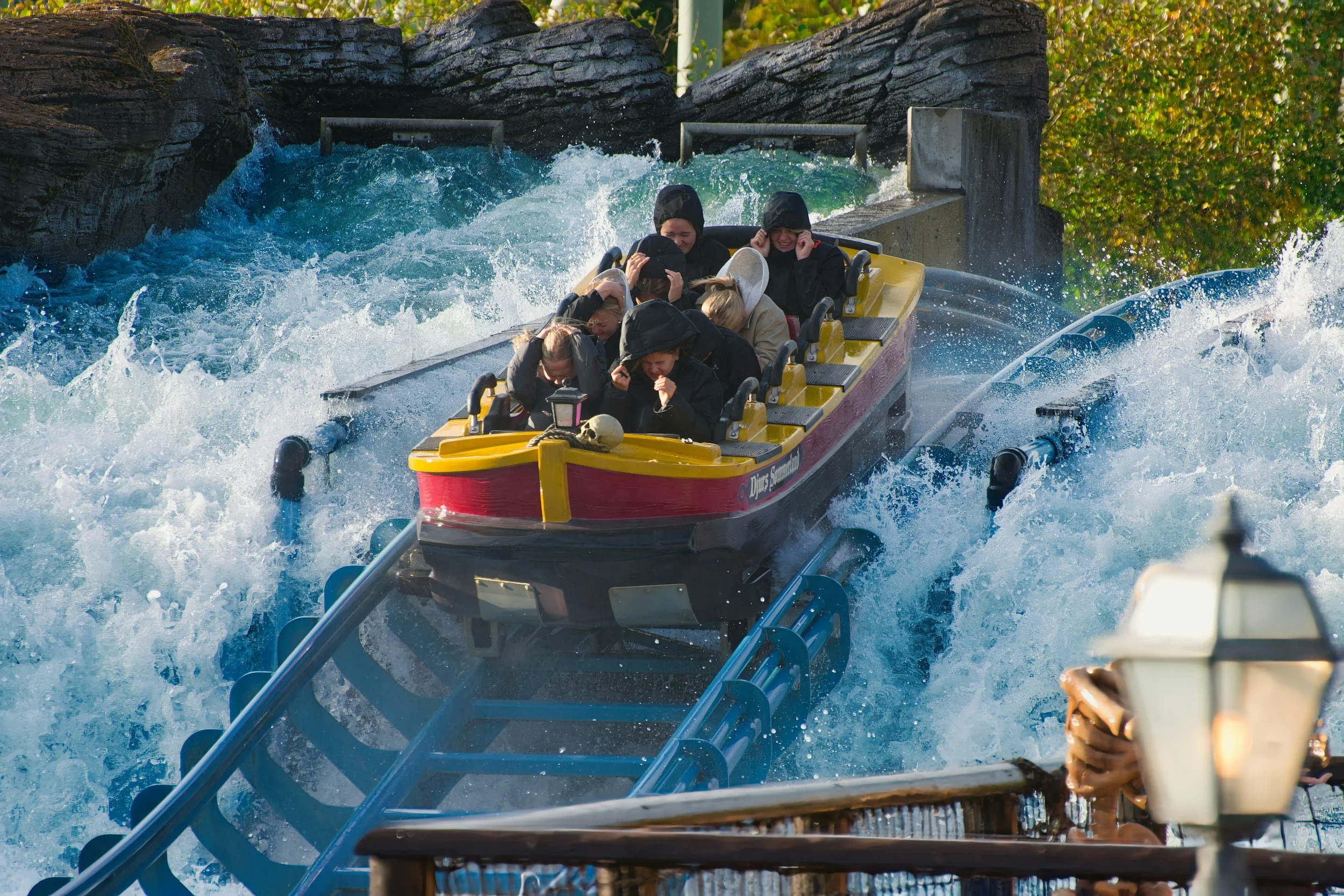
Over decades, accidental deaths have occurred across Orlando’s theme parks, from ride malfunctions to water-related incidents, including a widely reported child’s death at a resort lagoon. Perhaps the most unsettling aspect is that these incidents are absorbed into operations as if the system is built to continue without interruption.The Disappearing Sinkholes
Central Florida’s limestone bedrock collapses without warning, and Orlando has seen cars, homes, and entire sections of ground vanish into sudden sinkholes. These events leave behind fenced-off pits and repaired surfaces, with no visible trace of what dropped out beneath them.
Writing Horror Set in Orlando
A story set here changes once the setting stops behaving like scenery. To showcase this, focus on:
• The smile as pressure. Characters can unravel while still required to sound cheerful, helpful, and harmless. Even cute mascots can turn into pure horror when done well.
• Water beneath everything. Lakes, wetlands, drainage systems, and summer rain can make the ground feel temporary.
• Crowds without witnesses. Tourism gives a character constant visibility without true recognition, which makes disappearance more plausible.
• Backstage geography. Service corridors, maintenance areas, hotel rooms, and employee-only spaces can hold the city’s more honest version.
Orlando asks characters to perform calm while heat gathers under their clothes, storms interrupt plans, and every designed space hints at restricted rooms just out of sight.
Orlando Horror Writing Prompts
FAQ: Horror Writing in Orlando
-
No. The stronger angle is contrast: engineered joy beside heat, water, labor, exhaustion, and hidden infrastructure.
-
Something that blends into crowds, mascots, hotels, wetlands, or artificial environments before anyone realizes it is not part of the design.
-
Yes. Forced cheer, surveillance, hospitality work, and visitor anonymity create strong pressure for identity-based horror.
-
Reclaimed wetlands and drainage spaces offer a grounded alternative to the usual tourist imagery.
-
Include specific textures: afternoon storms, swan boats, employee entrances, retention ponds, hotel corridors, and roads that feel too wide at night.
-
It can, especially when the story connects development, old land, water management, and rituals hidden inside public entertainment.