

Writing a Creepy Horror Tale in Pensacola, Florida
Where Florida Begins And Safety Ends
Pensacola sits at the far edge of Florida, where the land thins into barrier islands and the Gulf presses in from all sides. The city carries the weight of layered occupation, Spanish, British, American, each leaving something behind.
Horror writing in Pensacola, Florida tends to drift toward that accumulation. The past does not stay buried in a place this old. It lingers in structures that should have collapsed and in creepy tales that refuse to stay contained.
The Edge of the State, and of Something Else

Why Pensacola Works for Horror Writing
Pensacola’s strength lies in how it holds contradiction without resolving it. It presents itself as open and bright, yet its history and geography quietly undermine that image. Military sites, shifting shorelines, and long-standing folklore create a setting that feels stable until examined too closely.
That tension supports several directions for storytelling:
• Historical horror, rooted in colonial shifts, military occupation, and unresolved conflict
• Environmental horror, shaped by erosion, storms, and the slow reclaiming force of water
• Psychological horror, influenced by isolation
• Folkloric horror, built from persistent local stories that resist explanation

Horror Locations in Pensacola That Inspire Stories
Pensacola Lighthouse
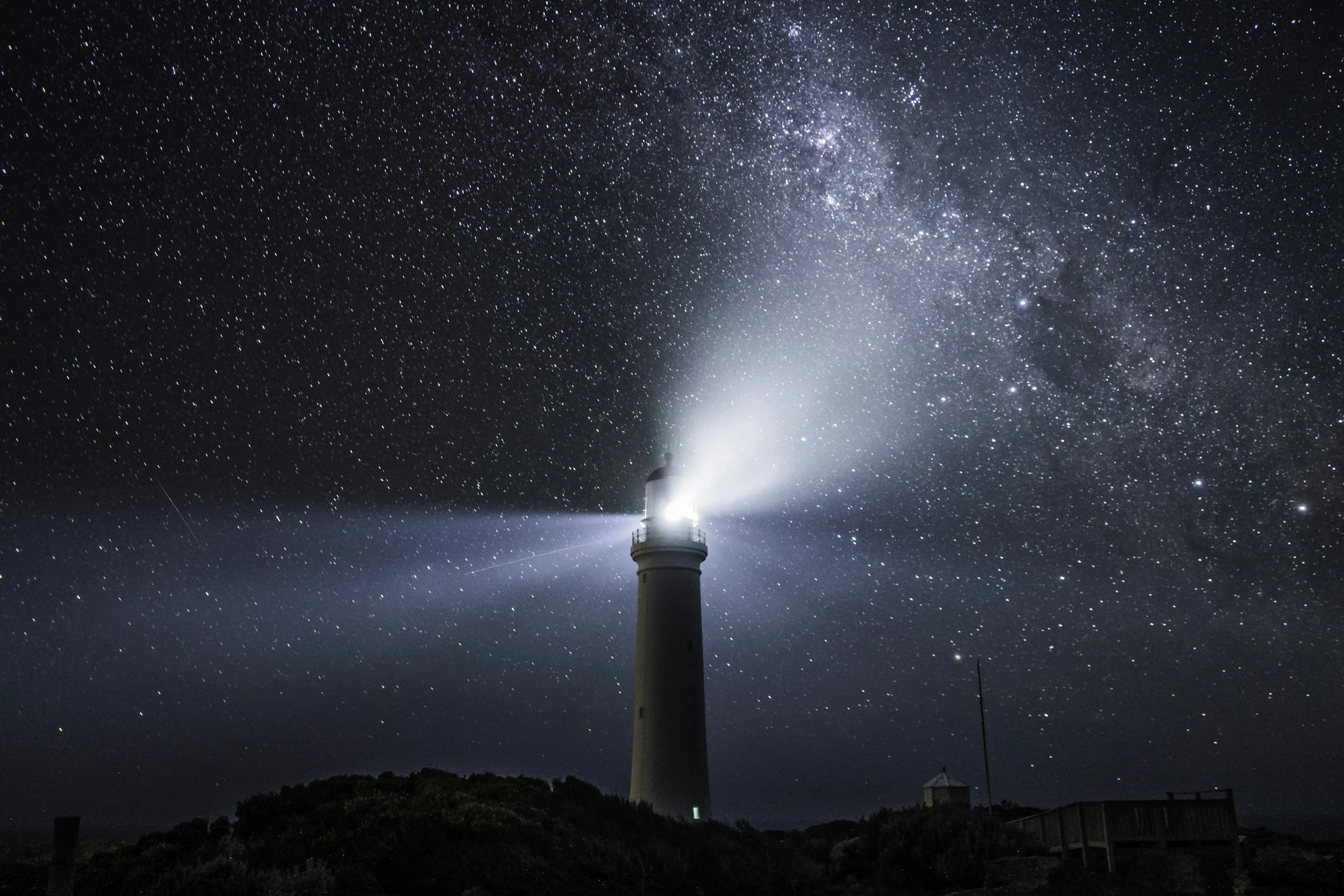
A working lighthouse on Naval Air Station grounds, known for reported apparitions and unexplained sounds. Interior rooms tied to deaths offer a contained space for recurring hauntings.
Seville Quarter District
A historic district layered with preserved buildings and nightlife. Structures dating back centuries create a backdrop where past occupants feel close to the present.
St. Michael’s Cemetery
One of the oldest burial grounds in Florida, with graves dating back to the 1700s. Uneven headstones and dense spacing create a setting where identities blur together.
Christ Church
A historic Episcopal church established in 1821, rebuilt after fire and storm damage. Its long-standing presence and reconstructed past create a setting shaped by survival and repetition.
Fort Barrancas
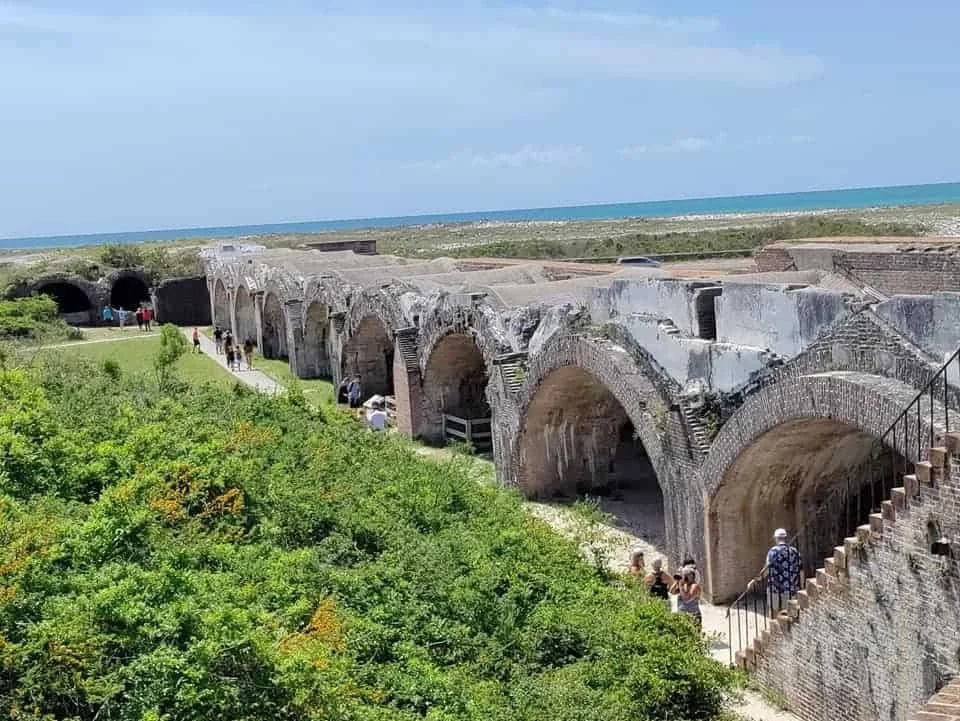
A military fort overlooking Pensacola Bay, partially built over earlier Spanish defenses. Its tunnels and elevated position create a sense of surveillance and entrapment.
The Stories In Pensacola That Refuse to Leave
Patterns in Pensacola folklore often center on return, repetition, and the inability to fully separate from the place.
The Lighthouse Birthroom
Stories describe a woman who died during childbirth inside the lighthouse quarters, leaving behind traces that could not be fully removed. Visitors report sounds of movement and figures appearing briefly in peripheral vision, especially near the upper floors.The Gulf Breeze Sightings
In the late 1980s, residents reported repeated UFO encounters, including photographs and claims of beams of light entering homes. The events divided the community between belief and skepticism, with no clear resolution.The Pushed Wall at Coon Hill
In a nearby cemetery, visitors describe walking along a low brick wall before being shoved off balance by something unseen. The experience is often reported in the same location, with no visible cause.Geronimo’s Curse
In the late 1800s, Apache leader Geronimo was imprisoned at Fort Pickens after surrendering to U.S. forces. Local accounts claim that after an attempted escape and recapture, he cursed the land, declaring that those who leave would eventually return. The idea persists quietly among residents, less as a warning and more as an expectation. Horror author Christina Escamilla lived here for two years during the pandemic and left without returning, which complicates the story slightly, though she is half Apache herself, so some might argue that changes the terms.
Writing Horror Set in Pensacola
The environment shapes behavior before the plot has a chance to assert control, quietly influencing what remains and how. Keep in mind:
• Salt and decay interplay
Coastal air quietly corrodes structures, allowing environments to deteriorate without immediate notice
• History layered without separation
Different eras coexist in close proximity, creating narratives that slip between time periods
• Water as boundary and threat
The Gulf defines space while also erasing it, turning familiar locations into unstable ground
• Return as narrative gravity
Characters may leave physically while remaining psychologically tethered to the place
Even after the story ends, the setting suggests something unresolved, as if departure never fully breaks the connection.
Pensacola Horror Writing Prompts
FAQ: Horror Writing in Pensacola
-
Pensacola carries a much older historical footprint than many Florida cities, with colonial shifts and military presence shaping its identity. That layered past introduces tension that feels embedded rather than added.
-
It expands them in quieter ways, introducing erosion, flooding, and salt damage as ongoing pressures. The setting can shift slowly, which allows dread to build without relying on sudden disruption.
-
They tend to anchor the story in something tangible, especially when tied to military use, imprisonment, or forced movement of people. The realism allows unsettling elements to feel less exaggerated.
-
It can, particularly in older districts where buildings have been reused across generations. Those spaces often carry inconsistencies that can be explored without needing overt supernatural elements.
-
Some stories circulate openly, while others remain more localized or anecdotal. The lack of consensus around them can make the narrative feel unsettled rather than confirmed.
-
There is often a quiet pull toward staying, even when leaving would be the safer choice. Characters may rationalize remaining in place, which can create tension between logic and attachment.