

Write Your Nightmare in Sleepy Hollow, New York
Where Heads Roll and Stories Rise From the Grave
Sleepy Hollow sits along the Hudson with a name that already feels half-buried. Here, the roads bend through places that seem to remember hoofbeats better than voices.
For writing nightmares in Sleepy Hollow, New York, the power comes from compression. A small village carries colonial history, Revolutionary War echoes, cemetery landscapes, literary myth, and a tourist economy built around fear.
Go Beyond The Village Name
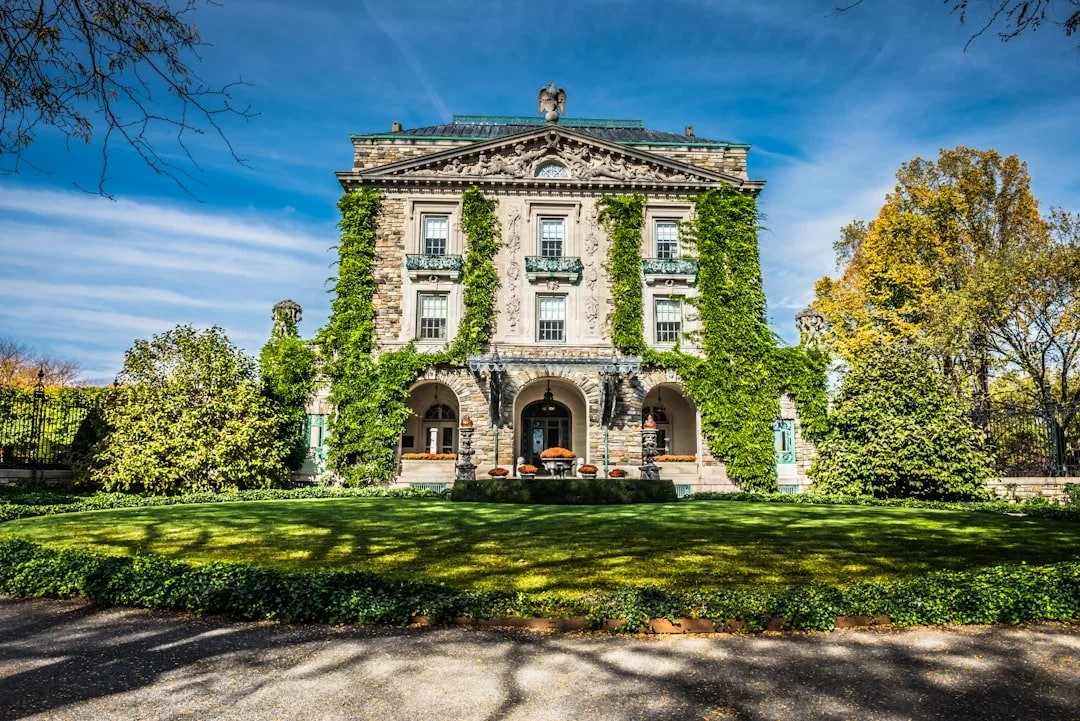

Why Sleepy Hollow Works for Horror Writing
Sleepy Hollow’s strongest horror element is the way folklore has overtaken geography. The village is not simply associated with a story. It has allowed the story to mark roads, bridges, graves, and wooded paths until the imagined and the documented sit side by side.
That makes the village especially strong for:
Folkloric horror, rooted in stories that survive because people keep retelling them
Pursuit horror, shaped by narrow roads, wooded turns, and the terror of being followed
Literary horror, driven by the uneasy gap between fact, fiction, and local memory

Horror Locations in Sleepy Hollow That Inspire Stories
Some within the town already feel claimed, especially when viewing spaces where folklore turns into fear.
Old Dutch Church of Sleepy Hollow
A 17th-century stone church beside the old burying ground. Irving placed it near Ichabod’s final flight, making it useful for stories about faith, panic, and old ground.
Sleepy Hollow Cemetery
This large cemetery opened in 1849 and holds Washington Irving’s grave. Its hills and mausoleums suit horror about legacy, obsession, and the dead becoming too familiar.
Headless Horseman Bridge Area
The original bridge is gone, but the cemetery bridge still draws visitors. That absence can shape horror about chasing a legend that keeps moving.
Philipsburg Manor
A colonial-era milling and trading site once tied to the Philipses. Its millpond and restored buildings can ground stories about labor, power, and buried violence.
Rockefeller State Park Preserve
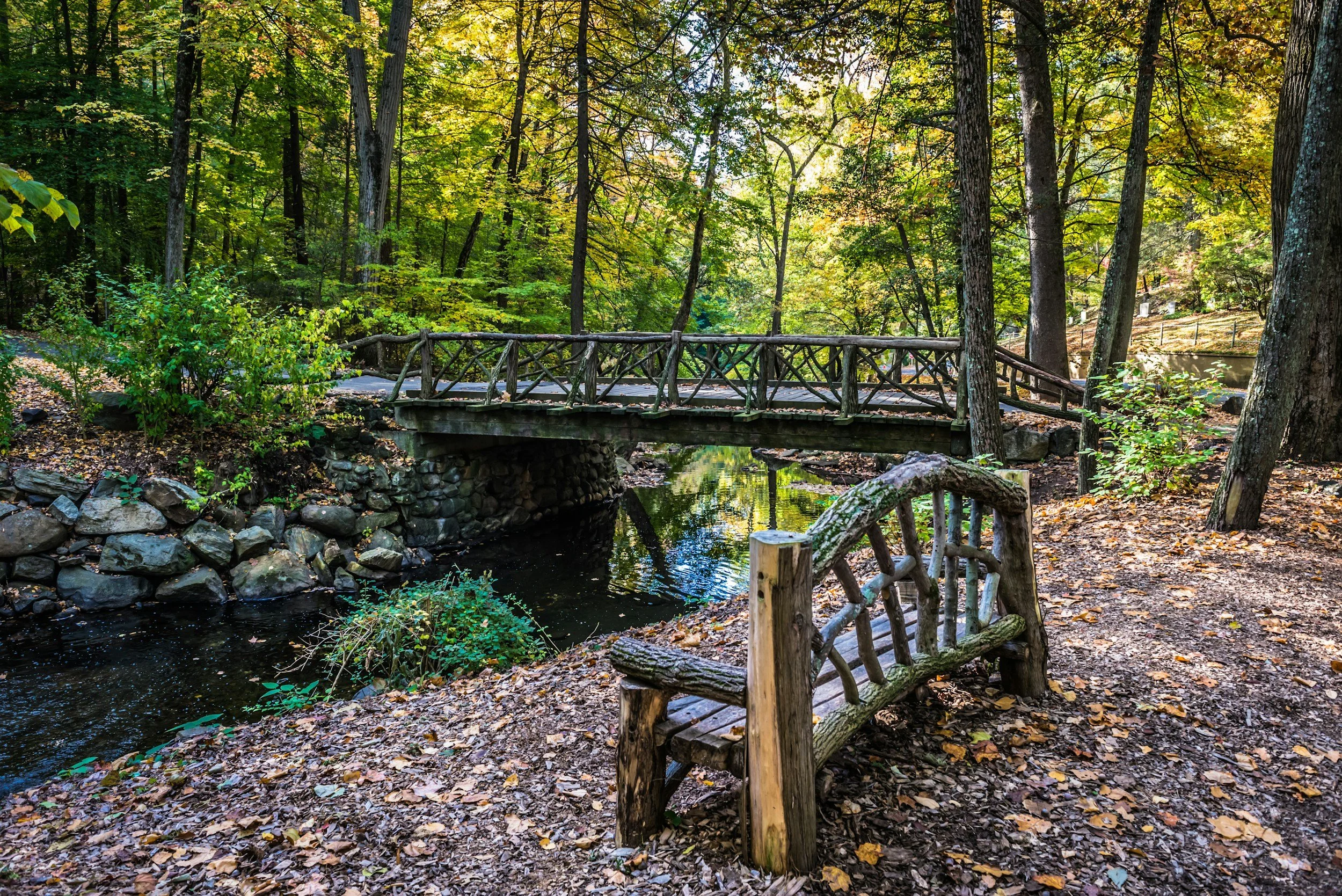
Wooded carriage roads cross the Pocantico landscape near Raven Rock and Hulda lore. It offers horror that begins as a walk and turns into disorientation.
Legends That Still Ride Through Sleepy Hollow
Sleepy Hollow’s legends share a pattern of pursuit, punishment, and figures who remain attached to the land.
The Headless Horseman
Washington Irving’s famous rider is often described as the ghost of a Hessian soldier whose head was taken by a cannonball during the Revolutionary War. In the tale, he pursues Ichabod Crane through the dark until the schoolmaster reaches the bridge and vanishes from local life.Hulda the Witch
Local tradition remembers Hulda as a reclusive healer of possible Bavarian origin who lived near what is now Rockefeller State Park Preserve. Some versions claim she aided local residents during the Revolution and was later buried near the Old Dutch Church after dying with a musket in hand.Major John André’s Ghost
British officer John André was captured near Tarrytown in 1780 while carrying documents connected to Benedict Arnold’s treason. Local ghost stories place his restless presence around the roads and markers tied to his arrest.Raven Rock
Raven Rock is linked to stories of people losing their way in the woods. One account tells of a woman who sought shelter there during a storm and was later found dead, turning the rock into a warning about refuge that fails.
Writing Horror Set in Sleepy Hollow
The village is used to being watched and as such, you can capture that feeling through:
Myth as Infrastructure
The legend has physical markers, so characters can move through fear as if following a map.
Tourists and Believers
Crowds chasing seasonal thrills can make real danger easier to dismiss.
Small-Scale Claustrophobia
The village’s compact geography can make escape feel strangely performative.
History Under Foot
Burial grounds, old estates, and Revolutionary memory give every modern scene a second layer.
The originality will come from taking the infamous and looking at it through a new lens.
Sleepy Hollow Horror Writing Prompts

FAQ: Horror Writing in Sleepy Hollow
-
No. The challenge is to move beyond the Headless Horseman and use the village’s layered history.
-
Yes, but a fresher approach may come from people exploiting, doubting, or misreading the legend.
-
A skeptical researcher, seasonal worker, cemetery guide, archivist, teacher, or local who resents the myth.
-
Winter can strip away the festival atmosphere and leave the village colder, quieter, and more exposed.
-
Keep the fear grounded in behavior, history, and setting before introducing the supernatural.
-
A town built on fear tourism creates tension between performance and real haunting.