

Your Guide to Horror Writing in New York City, New York
The City That Never Sleeps…And Neither Will You
New York City does not become quiet. It thins, redirects, hums through vents, platform grates, stairwells, locked service doors, and windows glowing above streets that never fully empty. Its unease comes from density, not darkness.
For horror writing in New York City, understand that the city’s power lies in compression. Every character is watched, boxed in, and then swallowed by a system older than their panic.
Beneath the Noise, Something Listens
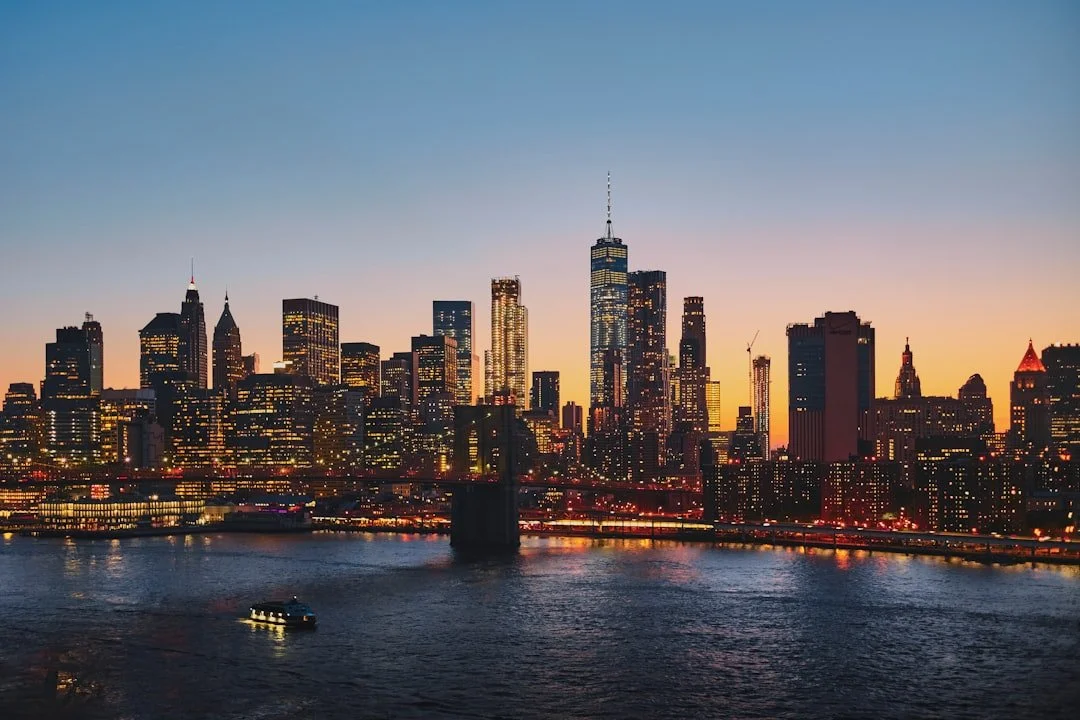

Why New York City Works for Horror Writing
New York’s strongest horror quality is the collision between intimacy and anonymity. Millions of people move through shared space, yet disappearance can still feel plausible because the city is always processing someone else’s emergency. The five boroughs also create dramatic shifts in texture, from financial towers to old cemeteries to island ruins.
That gives writers room for:
Urban paranoia, shaped by crowded rooms, surveillance, and strangers too close
Institutional horror, rooted in hospitals, courts, stations, and public systems
Isolation horror, intensified by being alone among too many people
Historical horror, fed by buried infrastructure

Horror Locations in New York City That Inspire Stories
Within the confines of the city, NYC keeps its dead spaces unusually close.
Old City Hall Station
Opened with the first subway ride in 1904, this ornate station closed in 1945. Its chandeliers and curved platform suit stories about civic beauty left underground.
Green-Wood Cemetery
Founded in 1838, Green-Wood spans hundreds of acres in Brooklyn. Its layered paths and monuments can turn mourning into something that lingers.
North Brother Island
This East River island held Riverside Hospital before closing in the 1960s. Its sealed ruins suggest isolation that was never fully resolved.
Roosevelt Island Smallpox Hospital Ruin
Opened in 1856, this Gothic structure still stands in decay. Its exposed walls can frame illness as something that never left.
Chelsea Hotel
Opened in 1884, the hotel housed generations of artists and residents long-term. Its history of deaths and long stays can blur the line between living there and never leaving.
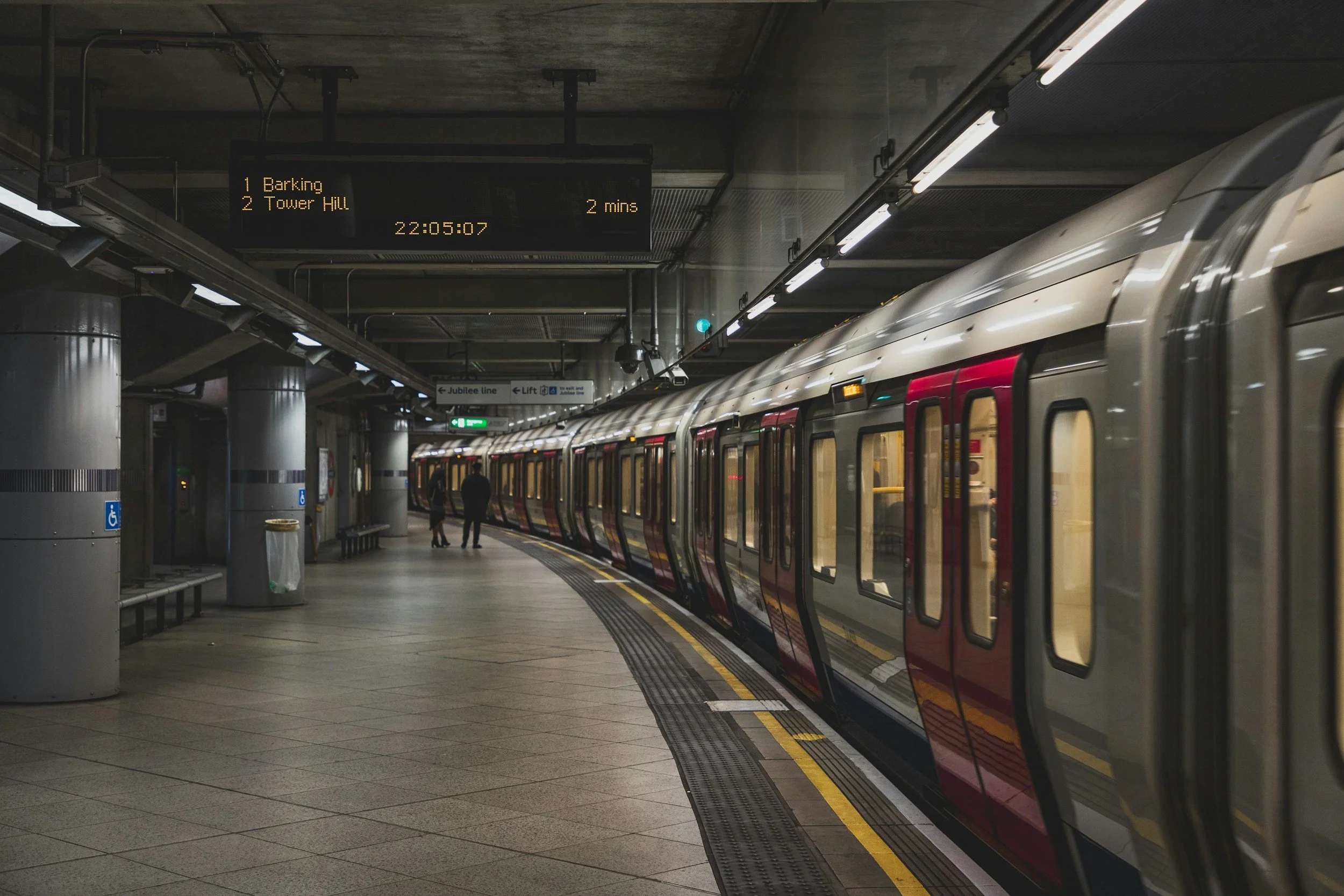
Strange Tales New York City Keeps Repeating Underground
New York legends often turn public systems into living things that misplace, digest, or transform people and the spaces they occupy.
The Sewer Alligators
Reports and rumors of alligators beneath New York grew especially strong in the 1930s. The story usually begins with exotic pets flushed or abandoned, then mutates into pale reptiles breeding under the streets, feeding on rats, and startling workers in the dark.
The Ghosts of North Brother Island
North Brother Island’s reputation comes from its layered history as a quarantine hospital, home to Typhoid Mary, veterans’ housing, and a rehabilitation center. The abandoned buildings, now inaccessible to the public, make the island feel like a place the city chose not to remember.
The Vanishing Subway Passenger
New York subway lore often centers on a stranger who boards late, speaks as if from another decade, then disappears before the next stop. The power of the tale is not the ghost itself, but the routine continuing after witnesses realize the train never truly emptied.
Writing Horror Set in New York City
Using New York City as a backdrop works best when you use:
Crowds as cover
A scream can become background noise when everyone has somewhere else to be.
Vertical pressure
Apartment towers, office floors, and stairwells make escape feel close but difficult.
Transit logic
Missed stops, closed platforms, and rerouted trains can trap characters without needing a locked door.
Old systems breathing
Pipes, tunnels, vents, and records allow the past to enter ordinary rooms through maintenance routes.
Characters set within the city, measure danger by train delays, locked vestibules, elevator silence, and the strange etiquette of not reacting too soon. It makes people both terribly guarded, and equally vulnerable about the exterior forces working against them.
New York City Horror Writing Prompts

FAQ: Horror Writing in New York City
-
Urban paranoia, institutional horror, psychological horror, and stories about disappearance inside crowded systems.
-
Yes. Focus on service corridors, outer borough streets, basement businesses, ferry routes, housing lobbies, and late-night transit.
-
Treat it as controlled space. Security desks, glass towers, private elevators, and watched entrances can create quiet menace.
-
It combines routine, confinement, strangers, delays, and underground movement through places most riders never see.
-
Not if the legend is secondary. Let the character’s fear, denial, or obsession reshape the familiar material.
-
Use restraint. The city has enough tension in its infrastructure, history, and atmosphere without exploiting recent grief.