

Draft Frostbitten Horror in Buffalo, New York
The Snow isn’t the Only Thing That’ll Chill Your Bones
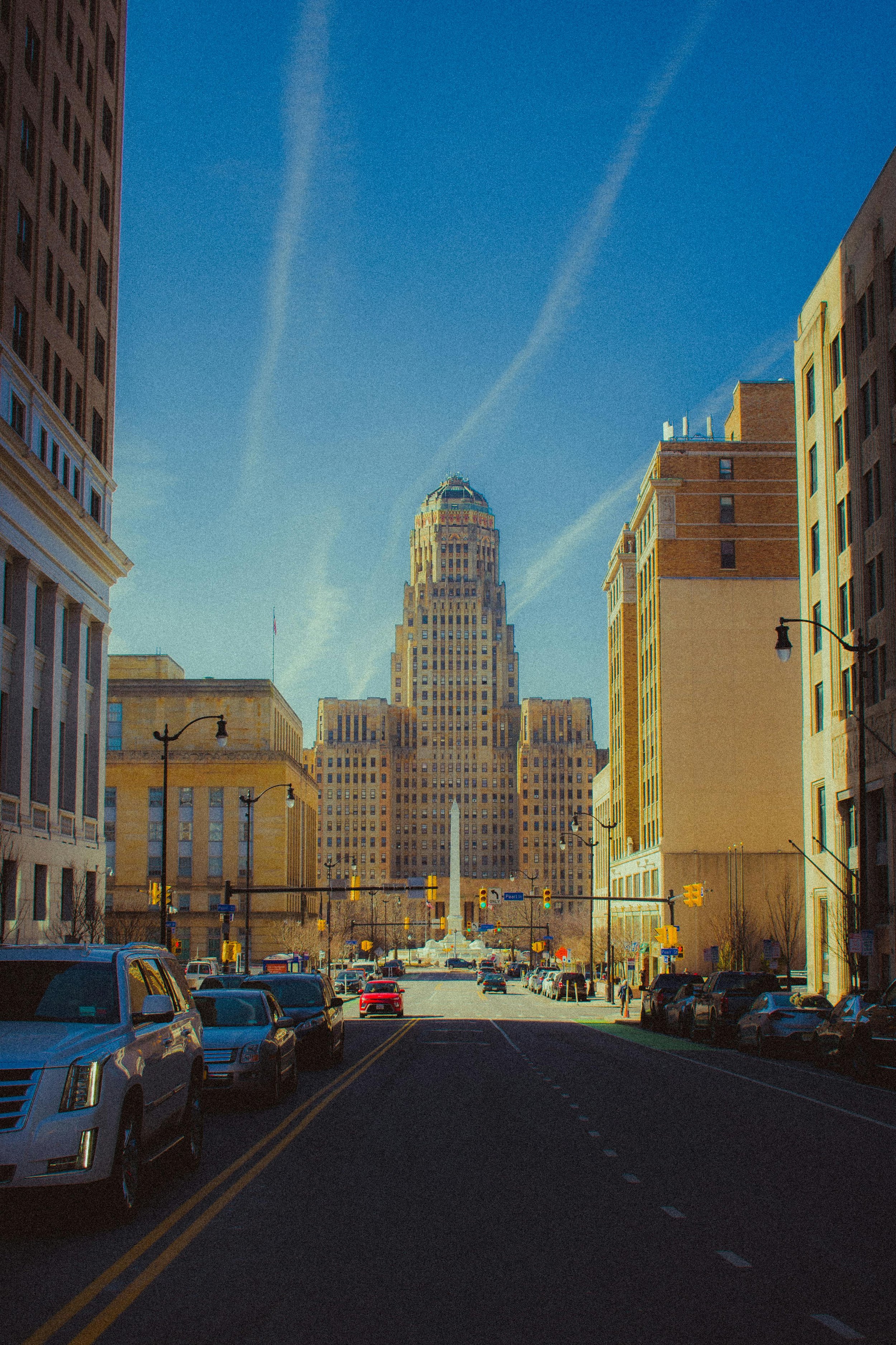
Buffalo sits at the edge of Lake Erie with a kind of weathered patience. Snow comes hard, wind moves through streets like it knows the grid by memory, and the old industrial structures along the river hold their silence in concrete.
When you draft frostbitten horror in Buffalo, New York understand that this is a place where neighborhoods are rebuilt over still gaping, old wounds and more than the wind bites back.
The Pressed Against the Lake

Why Buffalo Works for Horror Writing
Buffalo’s strongest horror quality is endurance. The city has been burned, frozen, flooded, declined, rebuilt, and preserved more than enough of itself to make the past feel close to the surface, even if it means a haunting or two.
That gives writers several paths into dread:
Winter survival horror, driven by snow, blocked roads, and shrinking visibility
Historical horror, rooted in fire, assassination, migration, and civic memory
Architectural horror, built around massive rooms, institutional design, and echoing interiors

Horror Locations in Buffalo That Inspire Stories
Buffalo carries its history in structures that were built to last, even when their purpose disappeared.
Silo City
A grain elevator complex along the Buffalo River, with concrete silos rising about 120 feet. Its reverb and scale can turn one footstep into pursuit.
Forest Lawn Cemetery
Founded in 1849, Forest Lawn covers 269 acres of roads, lakes, and graves. Its calm layout can hide grief that refuses to stay arranged.
Buffalo Central Terminal
Opened in 1929, this Art Deco rail station once handled thousands of passengers. Its empty concourse suits stories about people still waiting.
Richardson Olmsted Campus
The former Buffalo State Asylum opened to patients in 1880. Its twin towers and old wards can frame horror around care, control, and confinement.
Statler Hotel / Statler City & Museum
Originally opened in 1907 as one of America’s first modern hotels. Its preserved interiors and long vacancy suggest lives that checked out without leaving.
Buffalo Legends That Seep Out From the Snow
Buffalo’s legends often turn public places into scenes of interruption, leaving violence or rumor attached to ordinary ground.
The Burning of Buffalo
In December 1813, British forces burned much of Buffalo during the War of 1812, leaving only a few buildings standing. The story still gives the city an origin of ash, cold, retaliation, and return.The Temple of Music
During the 1901 Pan-American Exposition, President William McKinley was shot inside the Temple of Music. The building was later demolished, but the absence gives the story a strange afterlife.Pigman Road
South of Buffalo, Holland Road in Angola is tied to the Pigman legend, a story involving a butcher, pig heads, and older tragedy near the Angola Horror train wreck. Details shift, but the road keeps the name.
Writing Horror Set in Buffalo
Buffalo changes character behavior by narrowing options. Show this through:
Weather as Pressure
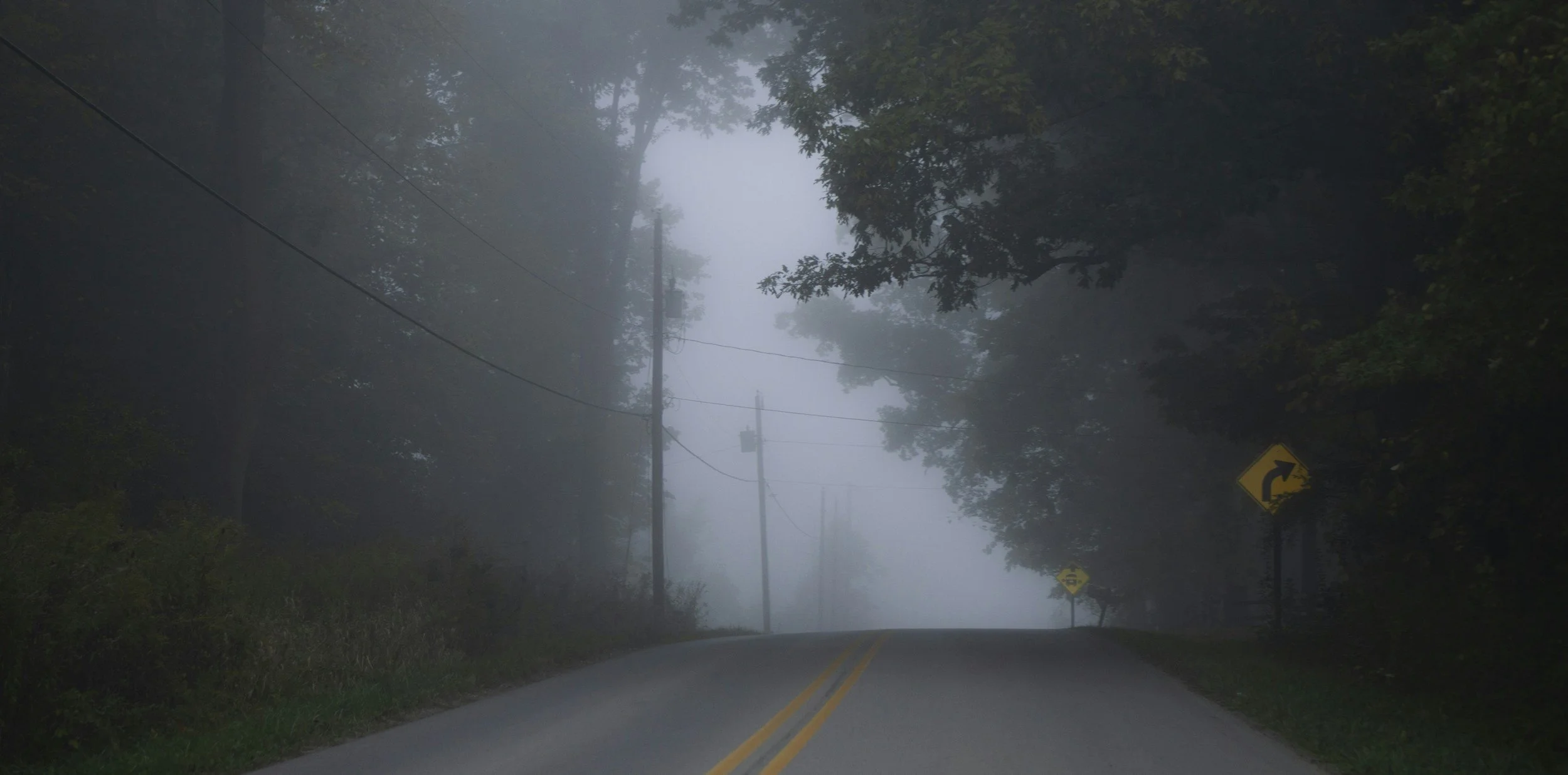
Snow can delay rescue, distort sound, and make ordinary travel feel like a test of judgment.
Industrial Scale
The waterfront’s silos and warehouses dwarf characters before anything supernatural appears.
Civic Memory
Fires, rail stations, cemeteries, and old institutions let the past intrude without announcing itself.
Borderland Tension
Proximity to Canada, water, and old transport routes can make escape feel visible but unreachable.
Keep in mind that a storm can make a familiar block feel remote, while a landmark can seem too large to understand from the ground.
Buffalo Horror Writing Prompts
FAQ: Horror Writing in Buffalo
-
Winter horror, industrial horror, institutional horror, and stories about buried civic history.
-
Yes. The city’s architecture, weather, and older public spaces already create a believable atmosphere for haunting.
-
Its snow combines with lake effect weather, old industry, and a strong sense of survival after decline.
-
No. Summer along the river, empty stations, cemeteries, and old hospitals can be just as unsettling.
-
Yes. Silo City, Forest Lawn, Central Terminal, Richardson Olmsted Campus, and City Hall all offer distinct story textures.
-
Anchor the story in Lake Erie weather, local architecture, neighborhood memory, and the city’s habit of preserving what other places erase.