

Horror Story Concepts from Williamsburg, Virginia
Old Hexes Die Hard in This City
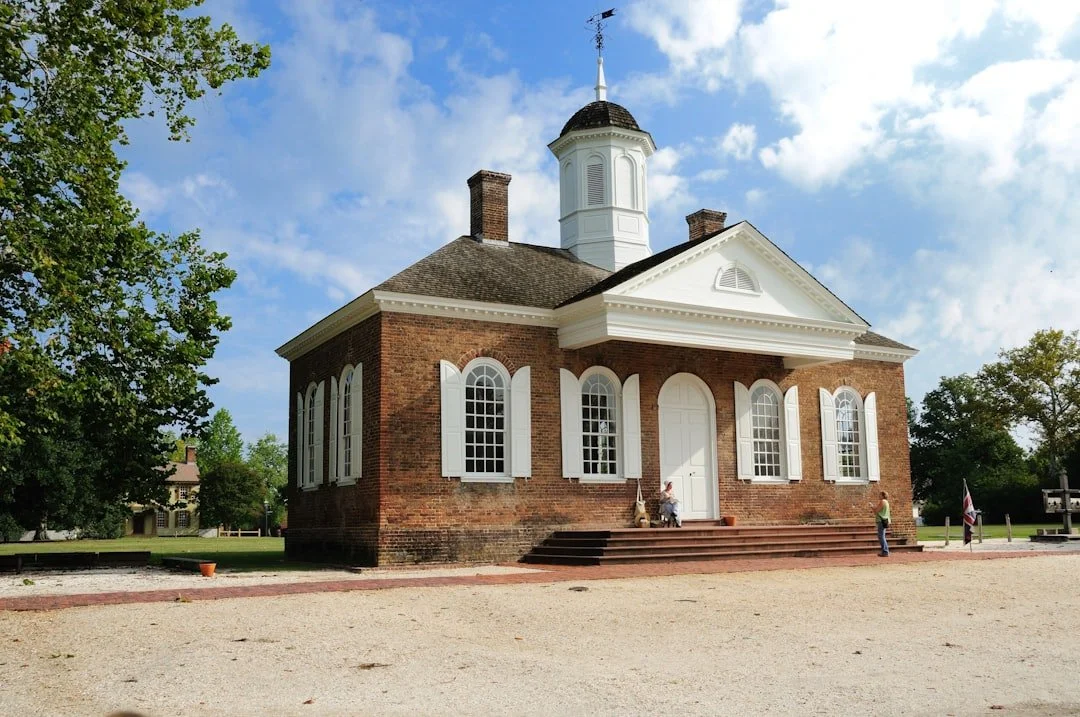
Williamsburg keeps its past close to the surface. Brick walks, tavern signs, and candlelit windows make the city feel orderly at first, but the order is too deliberate to feel neutral.
For writers, horror story concepts from Williamsburg, Virginia can grow from that uneasy relationship between memory and performance. The city invites stories about people trapped inside official versions of history, surrounded by doors that open only when someone admits what was left out.
The City That Rebuilt Its Ghosts

Why Williamsburg Works for Horror Writing
Williamsburg’s strongest horror quality is its controlled visibility. The city does not hide its past. It stages it, studies it, restores it, and places visitors inside it, which creates a useful tension between what is documented and what refuses to stay properly explained.
That makes the city especially suited for:
Historical horror, rooted in restored spaces that feel too carefully maintained
Academic horror, shaped by old institutions, hidden records, and inherited rituals
Folk horror, built around colonial suspicion, accusation, and communal judgment

Horror Locations in Williamsburg That Inspire Stories
Williamsburg’s most useful horror locations feel preserved for witnesses who may not be alive.
The Public Hospital of 1773
Opened in 1773, this was British North America’s first public mental hospital. Its history gives horror writing a clinical dread built from confinement.
Peyton Randolph House
Built in the early 1700s, this house is tied to one of Williamsburg’s strongest haunting reputations. It suits stories about inheritance that will not stay buried.
Bruton Parish Church
This active Episcopal church dates back more than 350 years. Its graveyard and colonial role make it useful for quiet religious horror.
Governor’s Palace
Built to display colonial power, the palace housed royal governors, elected governors, servants, and enslaved people. Horror here can turn grandeur predatory.
Wren Building
The College of William & Mary’s Wren Building is among America’s oldest academic buildings. Its fires and wartime use invite haunted institutional stories.

Williamsburg Myths Kept Alive by Candlelight
Williamsburg’s legends often center on authority failing to contain what it helped create.
The Peyton Randolph House Hauntings
The Peyton Randolph House is often described as one of the most haunted buildings in Williamsburg. Stories attached to it include shadow figures, strange voices, and accounts of a spectral hand connected to the Marquis de Lafayette.The Spirits of the Wren Building
The Wren Building has been associated with ghost stories involving soldiers and former students. Its long use as an academic building, its fires, and its wartime history have made it a natural vessel for campus hauntings.Grace Sherwood, the Witch of Pungo
Grace Sherwood was accused of witchcraft in colonial Virginia and subjected to a water trial in 1706. Although her story belongs to the wider Virginia region rather than Williamsburg alone, Colonial Williamsburg has helped keep the trial alive through interpretation and performance.Blackbeard’s Crew in Williamsburg
After Blackbeard’s defeat in 1718, members of his crew were brought to Williamsburg for trial. The city’s connection to piracy is not a sea tale here, but a legal one, ending in custody, testimony, and public consequence.
Writing Horror Set in Williamsburg
A Williamsburg story changes when characters realize the city has already assigned meaning to nearly every building they enter.
Restoration as Distortion
A repaired room can become more disturbing than a ruined one because every choice suggests someone decided what the past was allowed to look like.Public History, Private Guilt
Characters may move through educational spaces while carrying secrets no plaque would ever name, creating friction between lesson and confession.Theatrical Daily Life
Costumes, demonstrations, tours, and reenactments can blur ordinary behavior until a character cannot tell who is performing.Old Law’s Afterimage
Trials, punishments, petitions, and property records can shape the plot as forces that still decide who is believed.
In Williamsburg, horror does not need to break the historical surface. It only has to prove the surface was never still.
Williamsburg Horror Writing Prompts
FAQ: Horror Writing in Williamsburg
-
Both fit, but the strongest approach blends them. Williamsburg works best when history becomes active rather than decorative.
-
Yes. Focus on labor, silence, restricted access, and interpretation instead of visitor attractions.
-
Archivists, interpreters, students, restoration workers, and descendants all make sense because each has a reason to question the record.
-
Use accusation, community surveillance, religious authority, and inherited superstition instead of isolated rural imagery.
-
It can, especially for academic horror. The campus brings age, ritual, records, and institutional secrecy into the city’s atmosphere.
-
Its past is not only preserved. It is repeatedly performed, which gives horror writing in Williamsburg a controlled, uncanny quality.