

Write Dark Tales in Richmond, Virginia
The Ghosts of the Past Don’t Stay Buried for Long
Richmond sits beside the James River with old brick underfoot, steep streets, and neighborhoods that seem to remember more than they explain. Its age is not decorative. It lingers in the worn edges of places rebuilt over older harm.
Writing dark tales in Richmond, Virginia becomes less about inventing darkness and more about listening to what the city has already preserved. Horror writing in Richmond can draw from vanished buildings, old performance spaces, and riverfront ground that refuses to feel neutral.
Streets Built Over Open Wounds

Why Richmond Works for Horror Writing
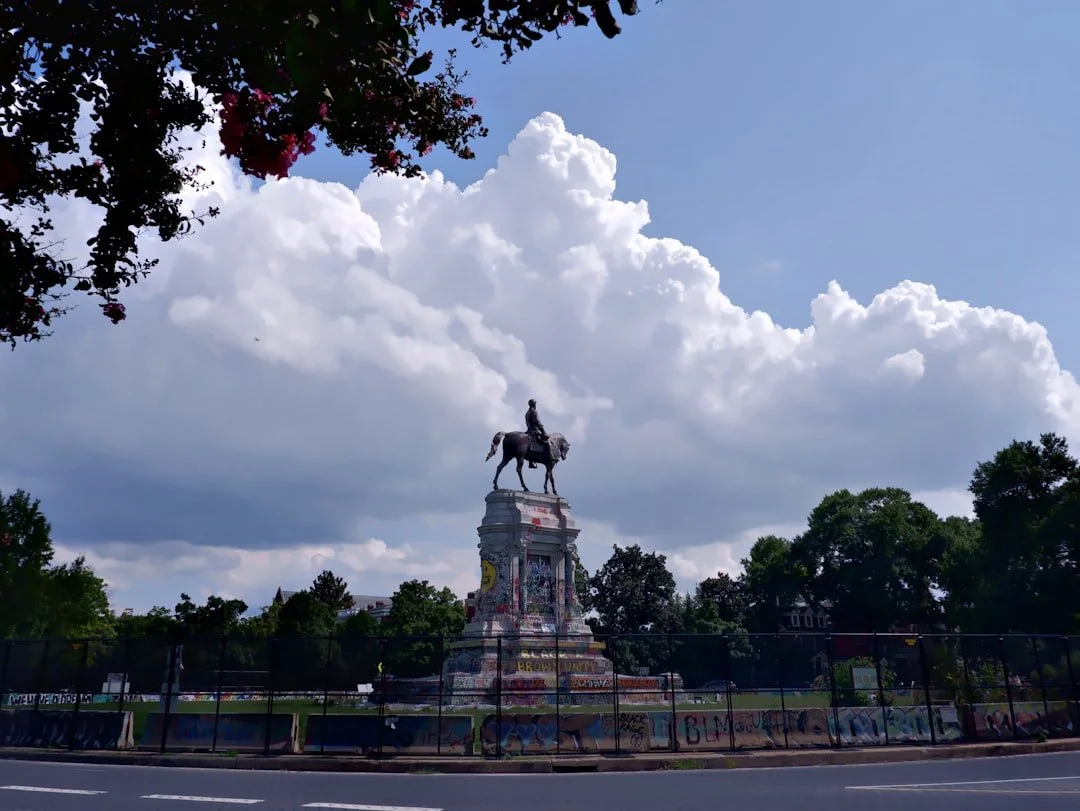
Richmond’s strongest horror quality is the way it layers civic beauty over unresolved history. The city can look composed from a distance, then reveal a buried jail site, a theater that never fully left the 1920s, or a cemetery watching the river from above.
That gives writers room for stories shaped by:
Historical horror, rooted in records, monuments, and places that have been renamed but not emptied
Gothic horror, shaped by old homes, ironwork, grave markers, and institutional silence
Psychological horror, driven by characters who sense the past correcting their version of events

Horror Locations in Richmond That Inspire Stories
Richmond’s most useful story sites feel observed before anyone arrives.
Hollywood Cemetery
Overlooking the James River, this 1847 cemetery holds presidents, generals, and thousands of graves. Its hills can turn grief into surveillance.
The Poe Museum
Housed in Richmond’s Shockoe Bottom, the museum keeps Poe artifacts, including a coffin fragment. It suits stories about relics that outlive their owners.
The Byrd Theatre
Opened in 1928, this Carytown movie palace still carries its grand interior. A horror scene here can make the audience feel watched back.
Shockoe Bottom
Once central to Richmond’s slave trade, Shockoe Bottom holds erased ground beneath modern streets. The true horror lies in what humans do each other, and what they choose to pave over.
Canal Walk
This 1.25-mile route follows the James River and historic canals. Its plaques and waterline paths can turn a walk into a slow discovery.
Richmond Legends Buried Beneath the Streets
Richmond legends often begin with buried history breaking through ordinary streets.
The Richmond Vampire
After the 1925 Church Hill Tunnel collapse, local lore claimed a blood-covered figure escaped the wreckage and fled toward Hollywood Cemetery. The tale later attached itself to W.W. Pool’s mausoleum, turning an industrial disaster into one of the city’s strangest undead stories.The Byrd Theatre’s Old Manager
Stories around the Byrd often mention Robert Coulter, the longtime manager said to linger in the theater after death. Reports usually center on the building’s interior, as if the performance never fully ends once the lights go down.Poe’s Richmond Shadow
Edgar Allan Poe spent formative years in Richmond, and the city still keeps pieces of him close. His museum preserves personal objects tied to debt, mourning, and burial, making the legend less ghost story than afterimage.
Writing Horror Set in Richmond
A Richmond horror story gains strength when the present feels like a thin surface over older rooms.
Public Memory Turns Private
A character can begin with research, work, or family history, then discover the city has preserved a version of events no one wanted spoken aloud.The River Watches Back
The James should not behave like scenery. Its movement can mark time, conceal evidence, or make a familiar street feel suddenly temporary.Architecture Withheld Answers
Brick buildings, theaters, cemeteries, and court districts can create a city that reveals facts only in fragments.Respect the Buried Harm
Richmond’s real history carries weight. Fiction set here should avoid turning documented suffering into decoration.
In Richmond, horror does not need to arrive from outside the city. It can rise from the record, patient and already named.
Richmond Horror Writing Prompts

FAQ: Horror Writing in Richmond
-
Richmond has a sharper public-history tension because so much of its past is visible, contested, buried, and preserved at once.
-
Yes, but handle it carefully. The real history is severe, so the horror should come from truth, erasure, and accountability.
-
Both fit, but Richmond is especially strong for stories about memory, denial, and inherited guilt.
-
He can, but using his influence indirectly may feel fresher than making him a character.
-
Something archival, river-born, subterranean, or tied to civic memory would feel more natural than a random creature.
-
Very modern. The city’s older history becomes more unsettling when it interrupts apartments, offices, museums, and nightlife.