

Fuel Your Horror Writing in Detroit, Michigan
Drive Fast…Something is Following
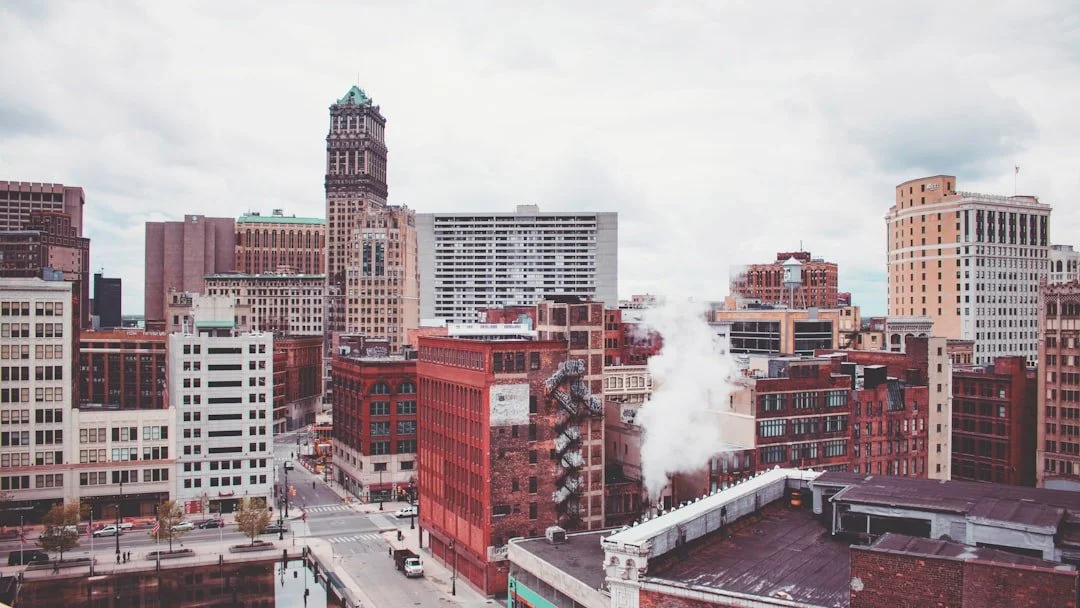
Detroit carries sound differently. Engines, river traffic, wind against empty upper floors, and music leaking from passing cars all seem to move through the city with purpose, as if something has been left running after everyone walked away.
For horror writing in Detroit, that motion matters. The city does not feel abandoned so much as interrupted, with old wealth, industrial damage, reinvention, and folklore pressing against the same streets.
Beneath The Engine Noise, The City Awaits

Why Detroit Works for Horror Writing
Detroit’s strongest horror quality is its tension between machinery and memory. The city was built around movement, production, rhythm, and speed, but many of its most unsettling places come from what happens after motion stops.
That tension gives writers several strong entry points:
Industrial horror, shaped by factories, engines, labor, and systems that keep operating past reason
Urban decay horror, focused on buildings that still feel occupied by old routines
Psychological horror, driven by pride, survival, reinvention, and the fear of being left behind
Horror Locations in Detroit That Inspire Stories
The spaces in Detroit often close the gap between ritual and decay.
Detroit Masonic Temple
Opened in 1926, this massive temple contains theaters, lodge rooms, and ritual spaces. Its scale can turn secrecy into architecture.
Belle Isle Aquarium
Opened in 1904, it is one of the oldest aquariums in the country. Its green-tiled interior can make water feel watched from below.
The Heidelberg Project
Tyree Guyton began this outdoor art environment in 1986 on Heidelberg Street. Its painted houses and found objects suit surreal neighborhood horror.
Historic Fort Wayne
Built in the 1840s along the Detroit River, the fort includes barracks and military grounds. It can frame stories about orders that outlive the dead.
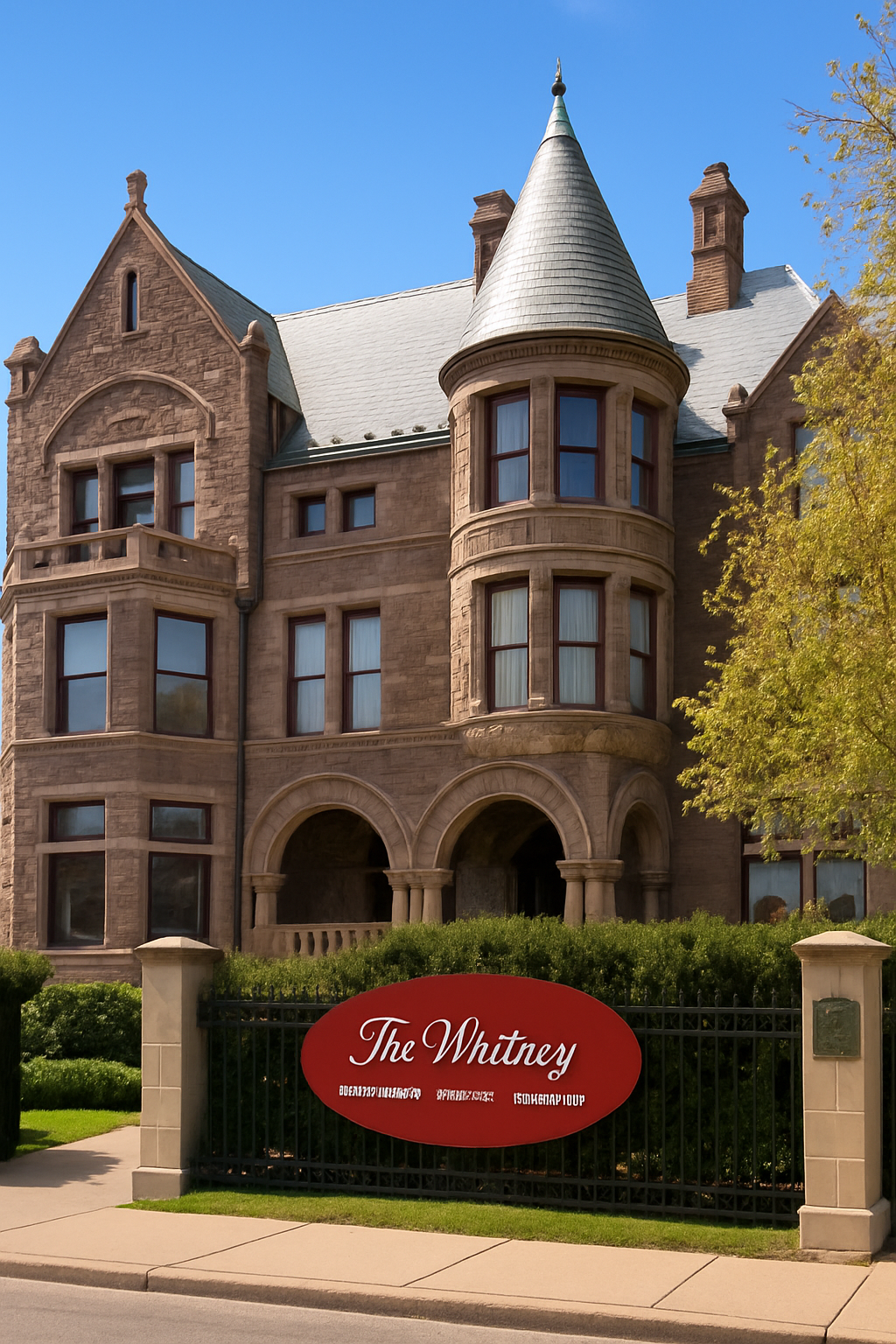
The Whitney
An 1894 mansion built by lumber baron David Whitney Jr., now a restaurant. Its ornate rooms and reported hauntings lend themselves to restrained, domestic unease.

Detroit Omens That Slither Along the Strait
Detroit’s legends often attach disaster to sightings, riverbanks, and figures that appear before the city changes shape.
Nain Rouge
The Nain Rouge, or Red Dwarf of Detroit, is said to appear before misfortune. One version links the creature to Antoine de la Mothe Cadillac, who ignored a warning to treat it with respect and instead struck it, inviting ruin into his future.The Snake God of Detroit
Older local stories describe a stone snake idol destroyed by French priests and thrown into the Detroit River. In later tellings, the broken pieces reformed beneath the water into a great serpent that remained tied to the strait.The Ghosts of Fort Wayne
Historic Fort Wayne has long carried stories of soldiers, footsteps, moving doors, and unexplained sounds. The fort’s military past gives these accounts a sense of routine, as if the dead are still following orders.The Belle Isle Snake Goddess
A Belle Isle legend tells of a woman connected to serpents and the island’s waters. The story shifts by teller, but the image remains consistent: a female presence near the river, watching from a place humans only visit.
Writing Horror Set in Detroit
From speeding cars to assembly lines, Detroit can seem fast, but the key is to slow your horror narrative down through:
Motion with consequences
A chase through Detroit should feel mechanical, rhythmic, and hard to stop once it begins.
Buildings with routines
Empty structures become stronger when they seem to remember shifts, schedules, and locked doors.
Pride under pressure
Characters who refuse pity or rescue can create sharper conflict than characters who only fear danger.
The river as witness
The Detroit River can function as border, mirror, escape route, or evidence that refuses to stay buried.
When it comes to the Motor City, movement should never be seen as neutral. You can bend it to fit the story you want to tell.
Detroit Horror Writing Prompts
FAQ: Horror Writing in Detroit
-
Detroit’s horror comes from motion, industry, pride, and interruption rather than simple abandonment.
-
Yes. Strong Detroit horror can center music, cars, labor, architecture, reinvention, folklore, or the river.
-
Yes, especially as an omen rather than a monster that explains everything.
-
Corktown, Midtown, the riverfront, Eastern Market, Belle Isle, and industrial corridors all offer distinct moods.
-
It can, but the stronger angle is movement: speed, pursuit, escape, breakdown, or being unable to leave.
-
Someone practical, proud, observant, and tired of being underestimated often fits the city’s pressure well.