

Write Horror Narratives in Traverse City, Michigan
Sweet on the Surface…Rotting Underneath
Traverse City sits at the head of Grand Traverse Bay, polished by lake air, orchards, wine country, and seasonal crowds. Its beauty has a practiced stillness, the kind that makes preserved buildings and dark water feel watched.
For horror narratives set in Traverse City, the tension comes from contrast: sweetness pressed over institutional memory, resort brightness beside winter isolation, and through fruit country rooted in soil that remembers what was buried.
Hidden Beneath the Cherry Skin

Why Traverse City Works for Horror Writing
Traverse City’s strongest horror quality is through the art of concealment. The city looks clean, scenic, and composed, but its history includes old hospitals, working waterfronts, deep lakes, and narrow peninsulas that can make escape from the land feel strangely conditional. It is the kind of place that you do not want to take lightly.
That gives writers room for stories about beauty turning suspicious.
Institutional horror, shaped restored buildings with unfinished memory
Seasonal horror, from crowded summers to empty winter roads
Domestic rot, where sweetness that spoils slowly

Horror Locations in Traverse City That Inspire Stories
Certain places in Traverse City feel preserved rather than changed, holding tension just beneath their surface.
The Village at Grand Traverse Commons
A former state hospital complex opened in 1885. Its restored brick buildings can frame horror about recovery, confinement, and history made rentable.
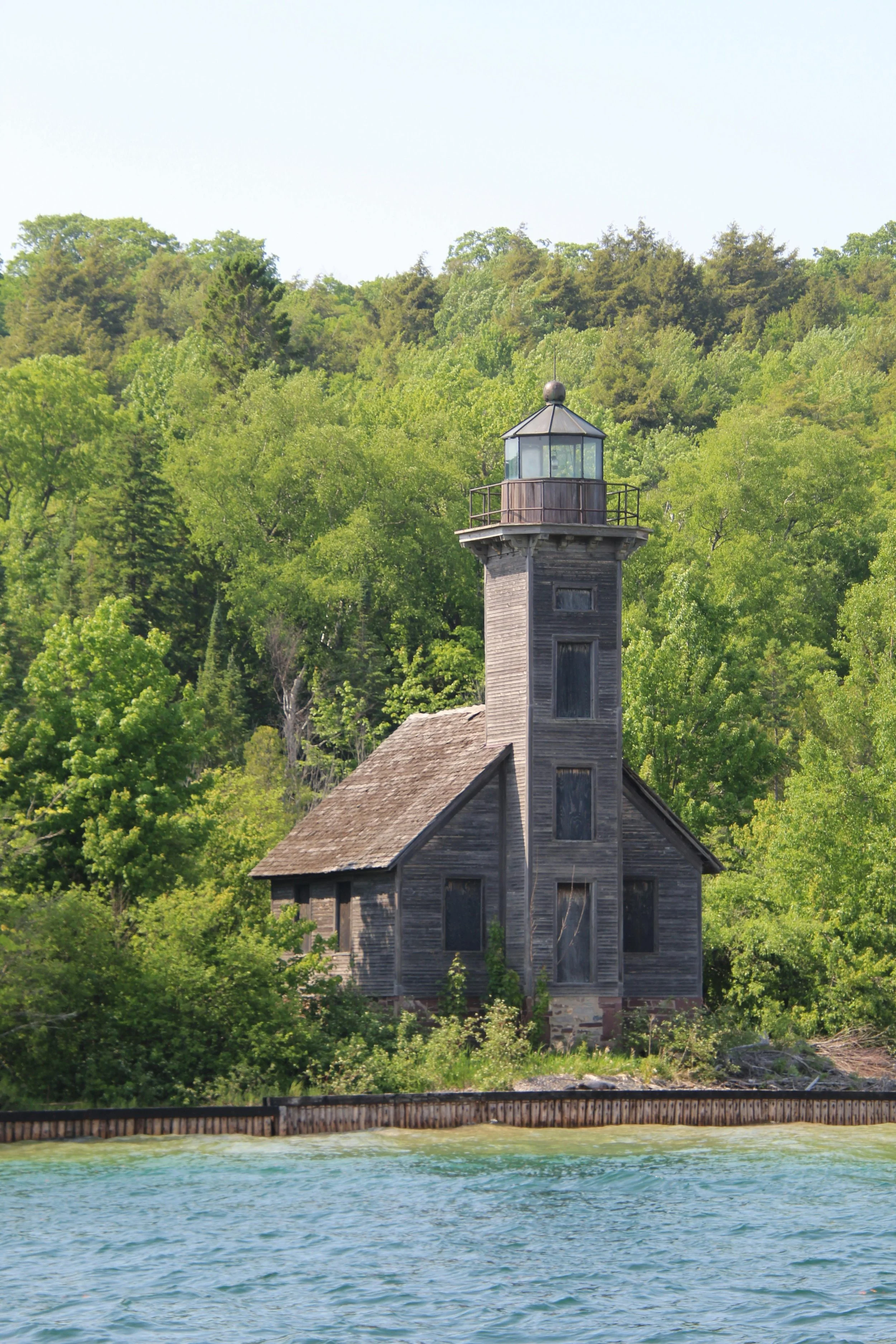
Old Mission Point Lighthouse
Built in 1870 near the 45th parallel. Its isolated peninsula setting suits stories about signals, watchers, and a shoreline that refuses silence.
Boardman River
A river running through downtown Traverse City into the bay. Its bridges and current can turn ordinary movement into pursuit or disappearance.
Clinch Park
A public beach along West Grand Traverse Bay. Its open water, marina lights, and tourist calm can hide a story beneath something too bright to trust.
Cedar Lake
A quiet inland lake west of Traverse City near Sleeping Bear Dunes. Its still surface and surrounding forest can hold stories about things that stay hidden in shallow water.
Traverse City Tales That Drift In From the Water
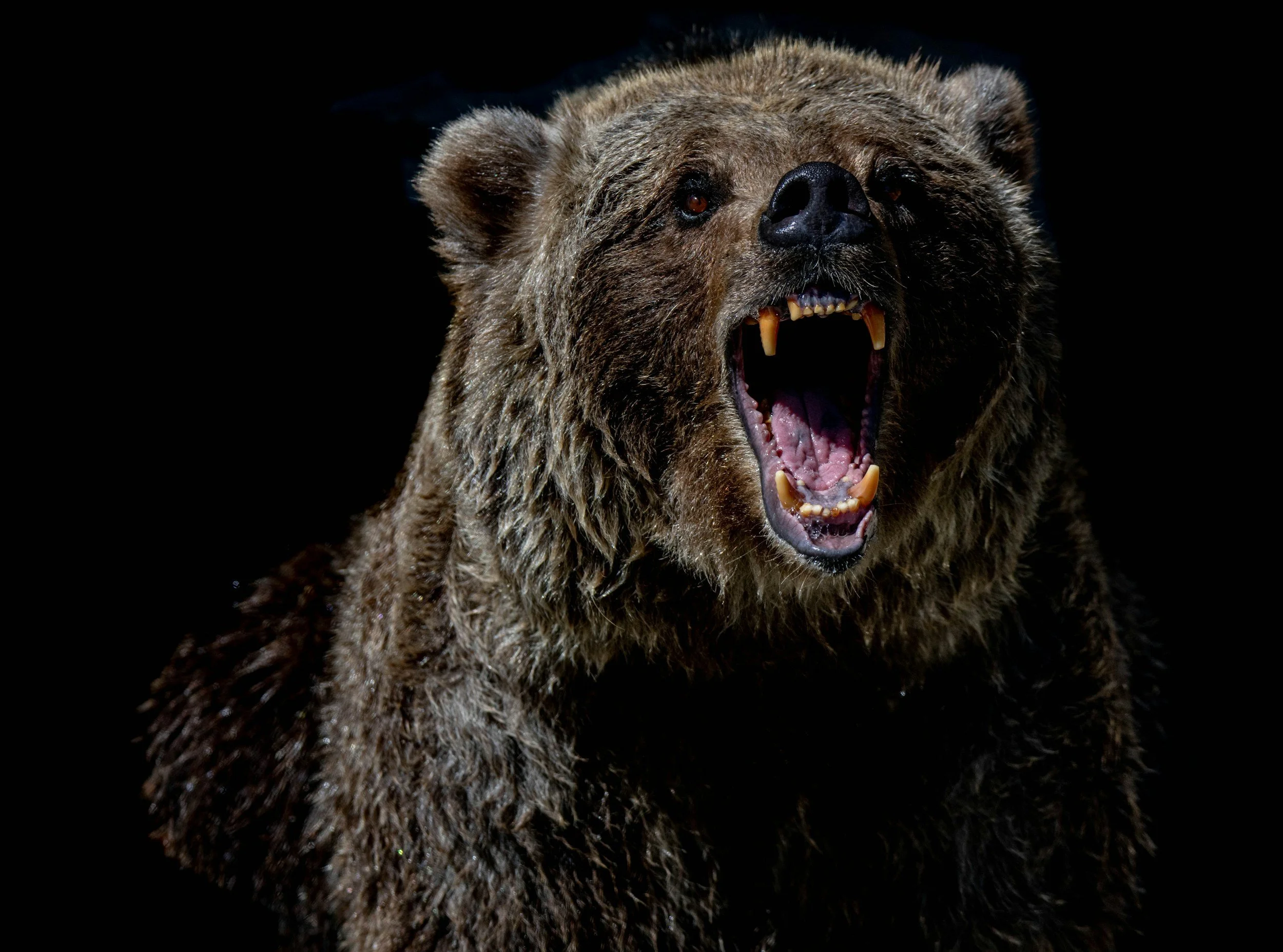
Traverse City’s legends often turn on watchfulness, loss, and figures that remain near shore after the living move on.
The Sleeping Bear
In Anishinaabe tradition, a mother bear crossed Lake Michigan with her cubs after fleeing a fire. She reached shore and waited, but the cubs drowned. The Great Spirit raised the Manitou Islands from the water and left the dunes as the mother still watching.
The Torch Lake Monster
North of Traverse City, Torch Lake has its own creature story. Local versions describe something living in the deep water, surfacing at night near boaters, swimmers, or campers who come too close to its territory.
The State Hospital Spirits
The old Traverse City State Hospital is often linked to ghost stories from its asylum years. Accounts tend to gather around unseen footsteps, figures in windows, and the uneasy feeling that the restored rooms are not empty.
Writing Horror Set in Traverse City
raverse City changes horror by making danger arrive quietly. Showcase this through:
Polished surfaces crack
The cleaner the town appears, the more disturbing it becomes when one detail refuses to match.
Water alters judgment
Fog, distance, and cold shoreline silence can make characters misread what they saw or heard.
Tourism creates camouflage
Crowds can hide a predator, a ritual, or a disappearance until the season turns and no one remains to ask questions.
Fruit country remembers
Orchards, harvest cycles, and family land can carry secrets that feel cultivated rather than accidental.
In Traverse City, remember, a character can stand in a beautiful place and still feel the map tightening around them.
Traverse City Horror Writing Prompts

FAQ: Horror Writing in Traverse City
-
Its horror comes from contrast: resort beauty, institutional history, deep water, and rural edges pressed close together.
-
Yes. Orchards, peninsulas, old family land, and seasonal rituals give folk horror a strong regional foundation.
-
Not if handled carefully. Avoid asylum clichés and focus on restoration, memory, medical power, or who benefits from forgetting.
-
Something patient and seasonal. A lake creature, orchard parasite, or human predator hidden by tourism would feel grounded here.
-
Summer creates crowd-based unease. Winter creates isolation. Both work, but they create very different kinds of fear.
-
Anchor the story in labor, weather, water, history, and local routines instead of scenic description alone.