

Summon Your Darkest Horror in Salem, Massachusetts
Wickedly Historic and Hauntingly Unforgettable
Salem sits close to the water, but its atmosphere rarely feels washed clean. Old cemeteries, harbor wind, and preserved colonial houses create a city that seems too practiced at being watched.
When writing the darkest horror in Salem, Massachusetts, the power is not only witchcraft. It is record-keeping, public fear, inherited guilt, and the uneasy fact that a place can turn tragedy into identity.
A City That Remembers Accusation
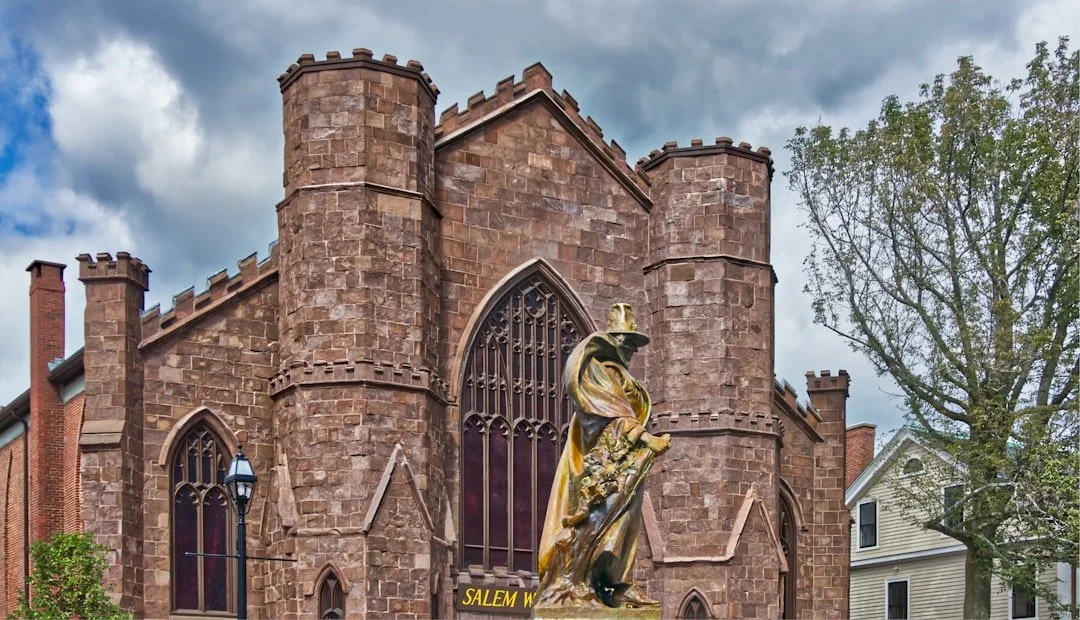

Why Salem Works for Horror Writing
Salem’s strongest horror element is the tension between accusation and preservation. The city remembers every name of the accused and that tragedy seems to cast a black veil on every aspect of the city. Thus, memory in Salem never feels truly neutral; it feels hostile. It is a righteous anger, of course, but the innocent still cry for blood nonetheless.
That gives writers several different routes into manifesting fear:
Historical horror, rooted in trials, testimony, punishment, and civic shame
Folk horror, shaped by belief systems that harden into public action
Psychological horror, built around suspicion, reputation, and social contagion

Horror Locations in Salem That Inspire Stories
These places feel less like preserved history and more like evidence that has been arranged for viewing but never resolved.
The Witch House
The 17th-century home of Judge Jonathan Corwin is Salem’s only structure with direct witch trial ties. Its dark timber frame suits stories about judgment inside domestic walls.
Old Burying Point Cemetery
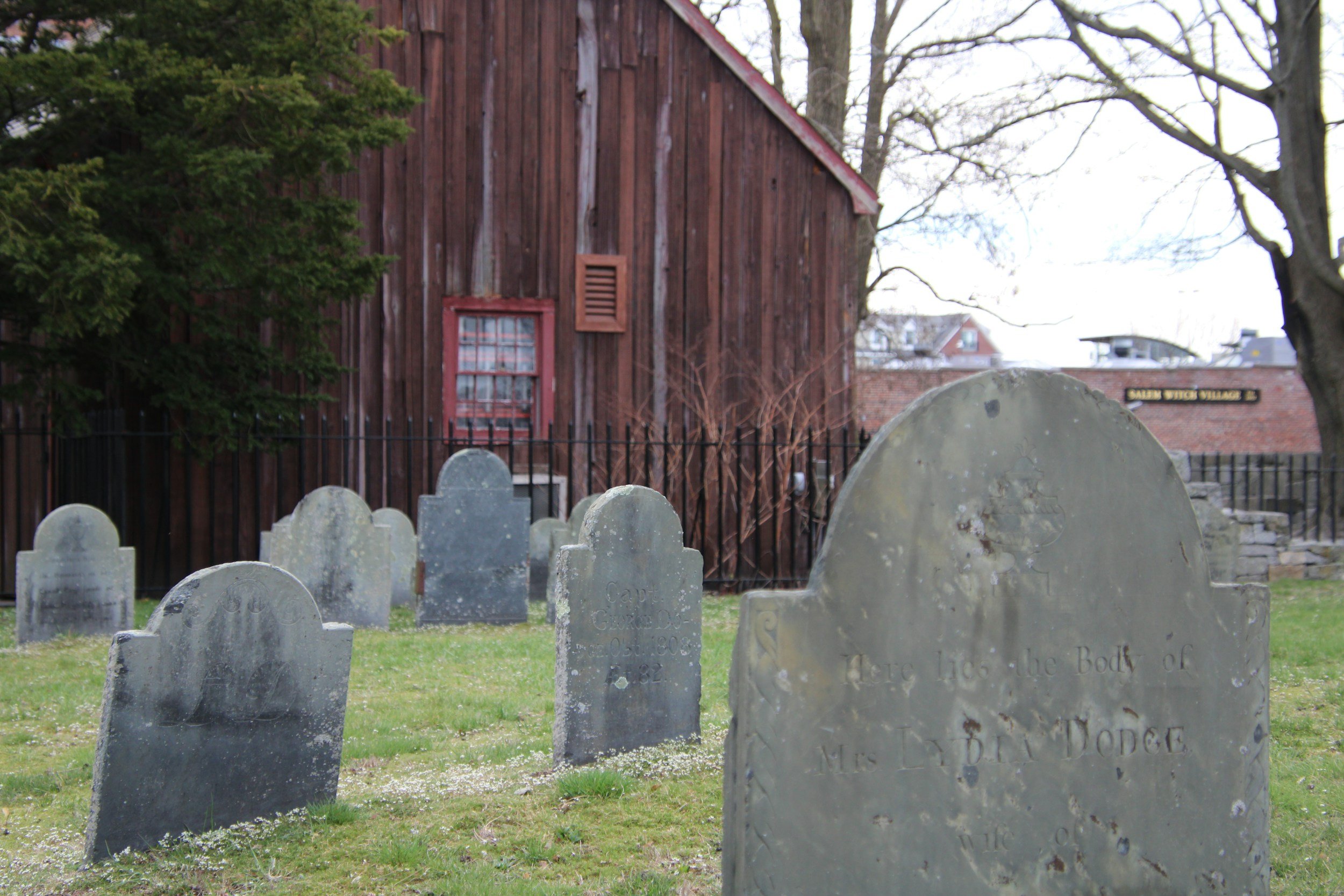
One of Salem’s oldest cemeteries, it holds graves linked to witch trial officials. Its worn stones can frame horror built around memory, names, and civic rot.
House of the Seven Gables
Built in 1668 by merchant John Turner, this harbor mansion inspired Hawthorne’s novel. Its gables suit stories about inheritance, secrecy, and family decay.
Ropes Mansion
A Georgian Colonial home built in the 1720s, later restored and opened to the public. Its quiet garden and preserved interiors lend themselves to stories about stillness hiding intrusion.
Peabody Essex Museum
The museum grew from Salem’s global collecting history and maritime culture. Its galleries can inspire horror about objects removed from origin and refusing silence.
Urban Legends and Ghost Stories Salem Cannot Bury
Salem’s legends often return to the same pattern: fear becomes public, then the public tries to make a monument out of what it destroyed.
The Death of Giles Corey
Giles Corey was accused during the 1692 witch trials and refused to enter a plea. Authorities pressed him beneath heavy stones for days, and legend remembers his final demand as “more weight.”
The Curse of Sheriff Corwin
Sheriff George Corwin helped carry out witch trial arrests and punishments. After his death, stories claimed his body had to be moved because angry locals would not leave him in peace.
The Lady in Blue
The Hawthorne Hotel has long carried reports of a woman in blue seen by guests and staff. She is often described as calm rather than violent, which makes the sighting feel more like repetition than warning.
The Black Cat of Salem
Cats became fused with Salem’s witch imagery over time, and black cats now move through the city’s folklore as omens, familiars, and witnesses. In fiction, that symbol can feel almost too expected, which makes it useful when handled quietly.
Writing Horror Set in Salem
When writing a horror story about Salem, it’s best to take the role of a documentarian.
Public Fear Has Weight
Suspicion should alter how people speak, gather, and protect themselves before anything supernatural appears.
History Crowds the Present
A modern character can feel trapped by plaques, tours, records, and buildings that refuse to become background.
The Harbor Carries Secrets
Water gives Salem a second horror language built from trade, distance, fog, cargo, and return.
Belief Becomes Evidence
In Salem, rumor can move like proof, especially when a community wants certainty more than truth.
Consider what has been corrected, but especially focus on what has been denied.
Salem Horror Writing Prompts

FAQ: Horror Writing in Boston
-
Yes. Focus on accusation, fear, and community pressure instead of relying only on witches.
-
A human monster often fits best: a judge, neighbor, archivist, collector, landlord, or historian with too much control over the record.
-
Both work. Modern Salem is effective when the past keeps interfering through tourism, preservation, ancestry, or public memory.
-
Use ordinary details: damp sidewalks, museum labels, harbor air, rental rooms, old wood, crowded streets, and quiet off-season spaces.
-
Reputation. Salem is ideal for stories about what happens when a person’s name becomes more powerful than the truth.
-
It can, but use them with restraint. A few accurate details will feel stronger than filling the story with recognizable stops.