

Write Southern Gothic Horror in New Orleans, Louisiana
Throw Beads, Catch Curses
New Orleans sits low against water, heat, and memory. The air feels handled by too many hands before it reaches you, carrying river damp, brass music, and the faint rot of something sealed too late.
For horror writing in New Orleans, the city offers a rare kind of atmosphere: beauty that never fully separates from decay. The streets can celebrate in one block and conceal damage in the next, perfect for Southern Gothic horror.
The City Where the Dead Times Roll
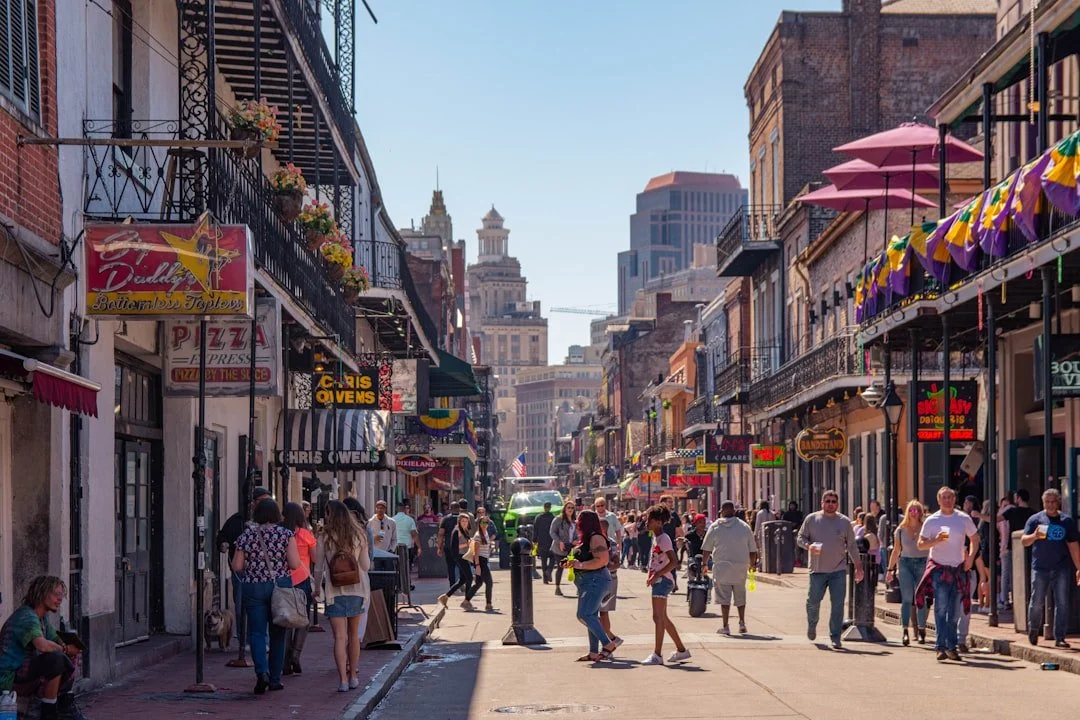

Why New Orleans Works for Horror Writing
New Orleans is strongest when horror grows from contradiction. The space feels public, musical, crowded, and ritualized all at once, yet much of the city’s fear comes from what remains private: locked courtyards, sealed tombs, hidden rooms, family histories, and water moving beneath everything.
That tension gives writers room for horror stories that are shaped by:
Southern Gothic horror, rooted in inheritance, guilt, beauty, and rot
Occult horror, shaped by ritual, reputation, and misunderstood power
Historical horror, drawn from records that feel incomplete or deliberately softened

Horror Locations in New Orleans That Inspire Stories
Some places in New Orleans do not hide their past so much as continue it.
St. Louis Cemetery No. 1
Opened in 1789, this cemetery holds above-ground tombs and the reported resting place of Marie Laveau. It invites stories about promises that continue long after burial.
New Orleans City Park
City Park spans over 1,300 acres and includes live oaks estimated to be centuries old. The scale and age lend themselves to narratives about time slipping or repeating unnoticed.
The Cabildo
Constructed in the late 1700s, the Cabildo once housed the Louisiana Supreme Court. Its interior suggests stories about authority, judgment, and decisions that outlast those who made them.
Lafitte’s Blacksmith Shop
This Bourbon Street structure dates back to the 18th century and is tied to pirate Jean Lafitte. Its dim interior suits stories about hidden dealings and identities that never surface fully.
Sultan’s Palace (Gardette-LePrete House)
This Royal Street residence is linked to a legend of a wealthy foreign owner and a violent massacre discovered too late. It supports stories about secrecy, excess, and something going wrong behind closed doors.
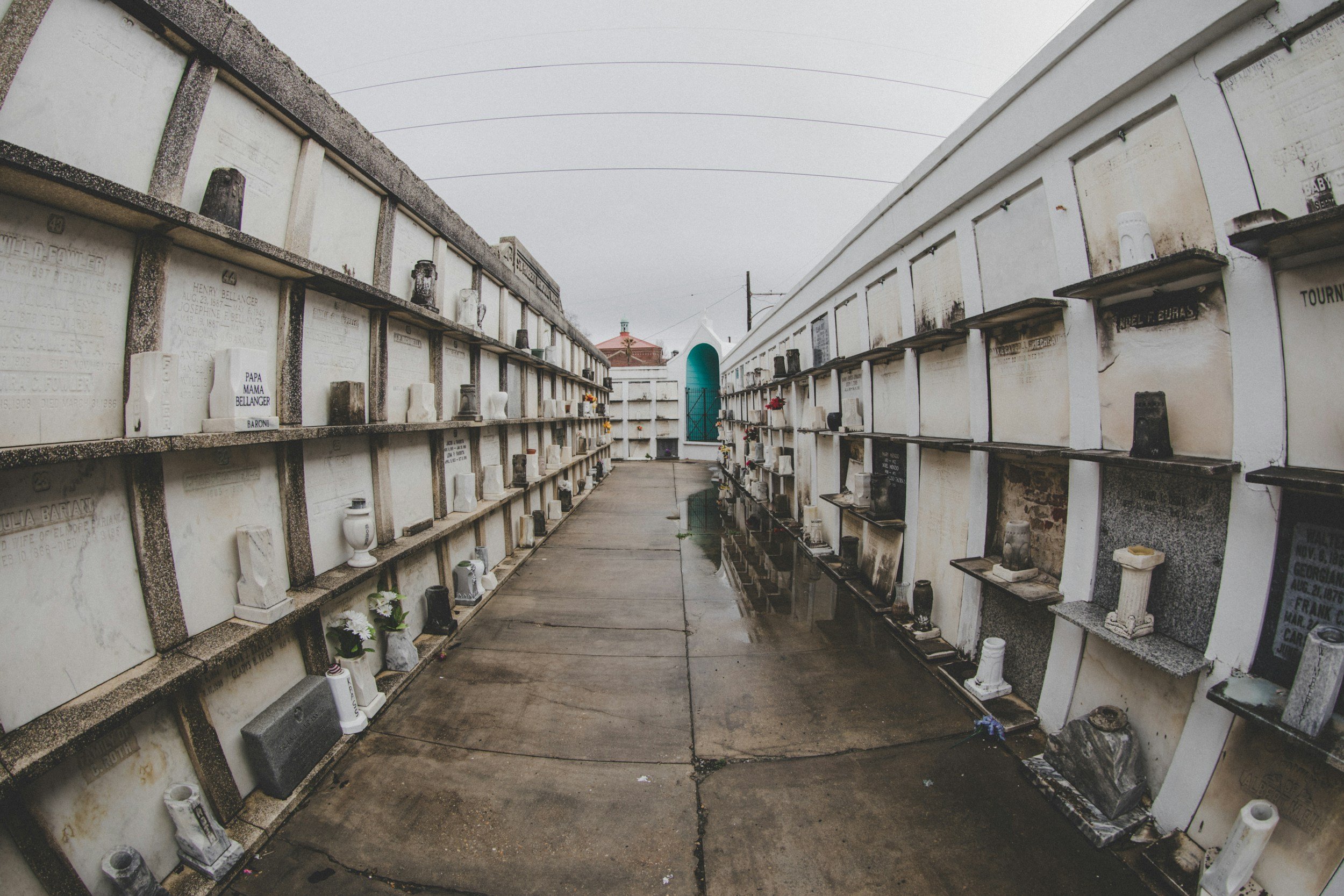
New Orleans Legends That Drift Through Cemteries
New Orleans legends often begin with a door, a sealed room, or a household that hid too much from the street.
The Axeman of New Orleans
Between 1918 and 1919, an unidentified killer attacked people in and around New Orleans, often entering homes by removing door panels with a chisel. A letter later threatened violence against houses not playing jazz, turning music into a citywide act of fear.The LaLaurie Mansion
In 1834, a fire at Delphine LaLaurie’s Royal Street mansion exposed the brutal treatment of enslaved people inside the house. The story remains one of the city’s most disturbing examples of beauty protecting violence.The Casket Girls
The Casket Girls legend centers on young women sent to colonial New Orleans with small coffin-shaped trunks. Later stories claimed the trunks held something unnatural, and the tale hardened around the Ursuline Convent.The Ursuline Convent Attic
In the early 1700s, young women arrived in New Orleans carrying small coffin-shaped trunks, later tied to rumors that something unnatural traveled with them. Stories claim the attic windows of the Ursuline Convent were sealed to keep whatever came inside from getting back out, and that they have remained shut ever since despite the heat.
Writing Horror Set in New Orleans
In New Orleans, characters cannot move through space without brushing against history. Utilize this through:
Celebration with a cost
Joy can heighten unease when music, food, and crowds continue around someone unraveling.
Houses with memory
Courtyards, balconies, and shuttered rooms can hold family secrets without needing exposition.
Water under everything
Flood risk adds quiet pressure to timelines, escape routes, and what may resurface.
Ritual as routine
Prayers, charms, funerals, and festivals can feel ordinary to locals while unsettling outsiders.
Remember, this is a city that never fully separates the living from what came before.
New Orleans Horror Writing Prompts

FAQ: Horror Writing in New Orleans
-
No. The key is specificity. Avoid generic haunted Quarter imagery and build from one precise street, object, custom, or weather detail.
-
Yes. The city supports flood horror, legal horror, medical horror, family Gothic, occult rumor, and historical dread.
-
Its horror often feels public. Music, parades, balconies, and crowds can surround a private collapse.
-
For public landmarks, yes, when handled respectfully. For private homes or traumatic history, consider fictionalizing details.
-
Humidity, uneven pavement, old plaster, river air, brass music, candle smoke, and the smell of rain on hot stone.
-
One that adapts to thresholds: waterline, doorway, balcony, tomb, confession booth, or festival crowd.