

Dark Storytelling Ideas in Bar Harbor, Maine
When the Fog Rolls in, it Never Leaves Empty
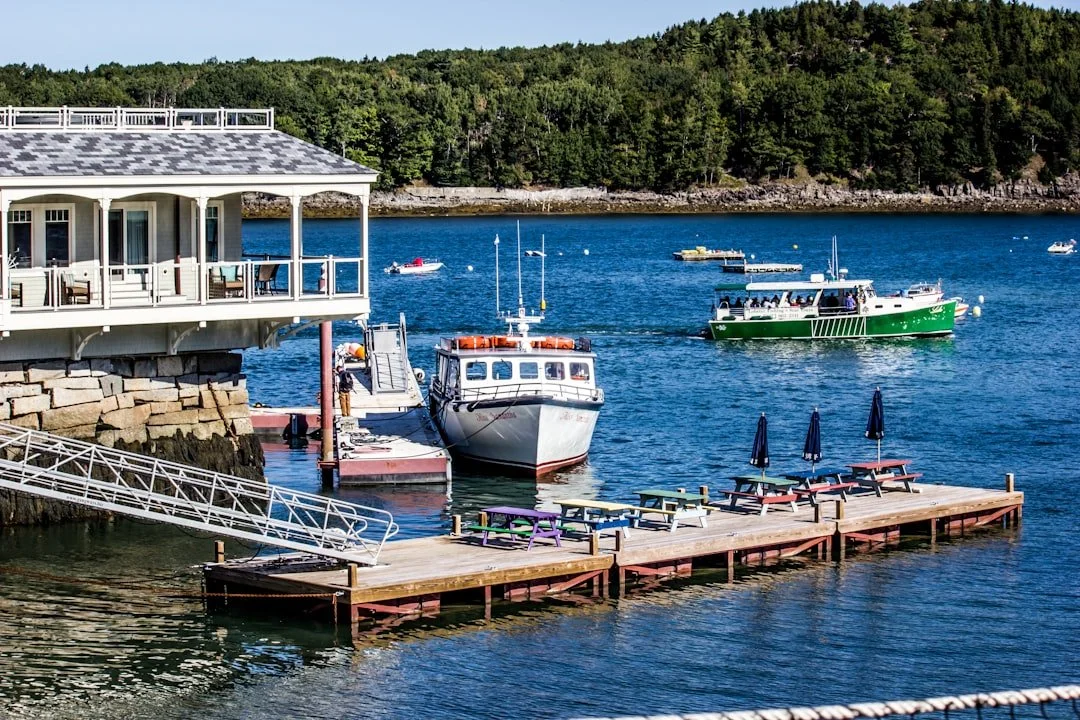
Bar Harbor sits between mountain and ocean, with Frenchman Bay shifting at the edge of town and Acadia pressing close behind it. Fog does not arrive as decoration here. It makes even familiar streets feel borrowed feel strange and unsettling.
That tension gives horror writing in Bar Harbor a useful kind of restraint. The town has Wabanaki history, maritime danger, and tourist brightness layered over a landscape that can disappear in minutes.
The Harbor Keeps Its Own Secrets

Why Bar Harbor Works for Horror Writing
Bar Harbor’s strongest horror quality the environment. A polished coastal town sits beside a national park shaped by cliffs, weather, old paths, and sudden exposure. The unease comes from how quickly beauty becomes hazard.
That makes the city especially useful for:
Coastal horror, driven by fog, tide, cold water, and vanished sightlines
Historical horror, rooted in burned mansions, erased estates, and inherited silence
Isolation horror, built around trails, coves, and roads that feel farther away after dark

Horror Locations in Los Angeles That Inspire Stories
Many of the most uncanny spots in Bar Harbor are either natural spaces or those with strange history.
Shore Path
This waterfront path follows Frenchman Bay near old resort cottages. Fog often erases the horizon, turning a casual walk into something disorienting and quietly observed.
1932 Criterion Theatre
Opened June 6, 1932, the Criterion once held nearly 2,000 people. Its preserved interior suggests stories where performances linger after the audience has gone.
Abbe Museum
Originally founded as a trailside museum, the Abbe now anchors cultural history in town. Its exhibits invite horror centered on memory, ownership, and what is taken out of context.
Thunder Hole
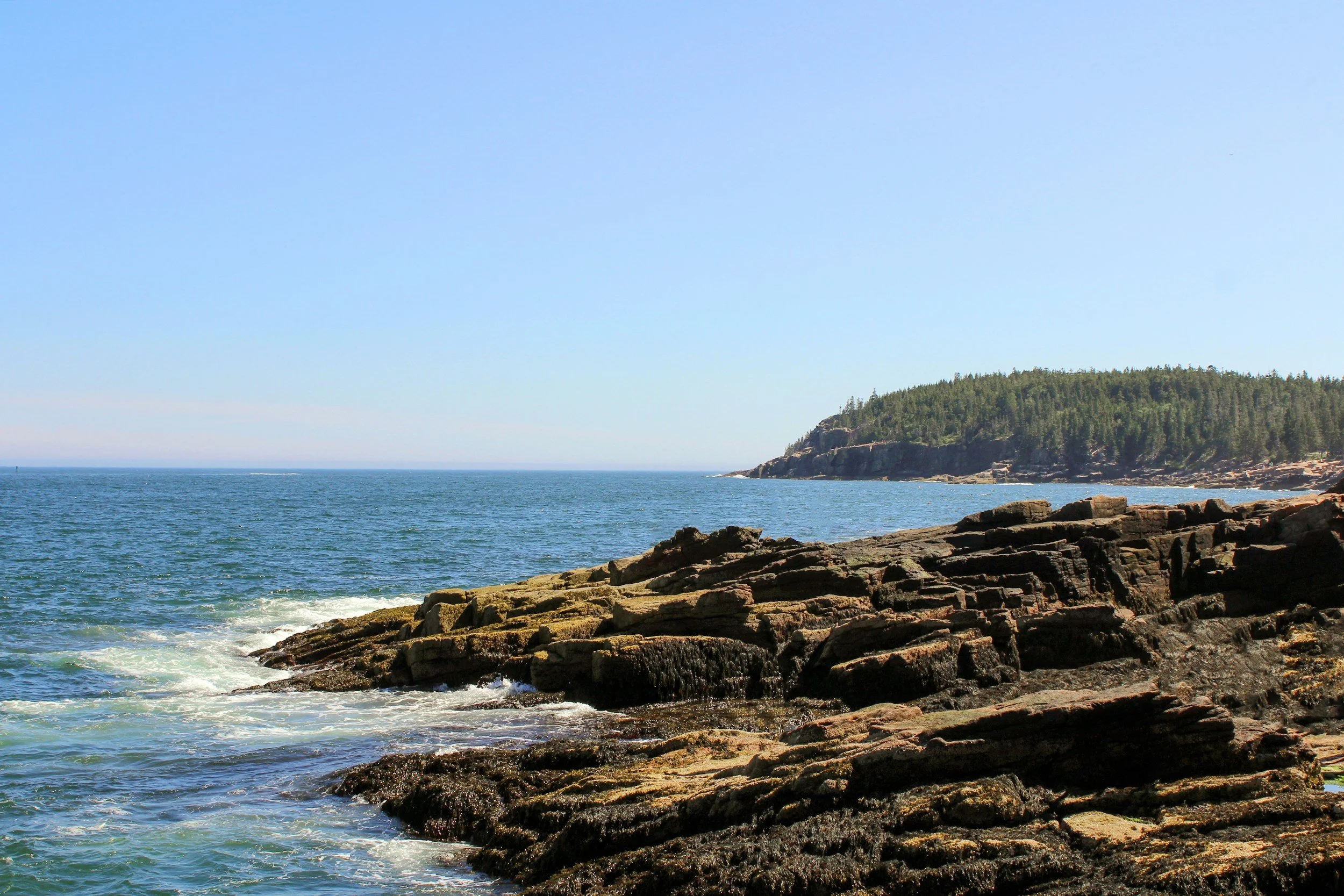
This narrow rock inlet forces waves into a chamber that produces a deep, sudden boom. It lends itself to stories where sound becomes a warning no one agrees they heard.
Egg Rock Lighthouse
Located off the coast at the mouth of Frenchman Bay, this lighthouse has guided ships since the 19th century. Its isolation and constant exposure to fog and sea create a setting for stories about signals that change or watchers who never leave.
Bar Harbor Stories the Fog Keeps Repeating
Bar Harbor’s legends often hinge something staying after the living move on.
Mary Margaret of Ledgelawn
Ledgelawn’s most repeated ghost story centers on Mary Margaret, described as a jilted bride who died in the attic wearing her wedding dress. The tale lingers because it traps private humiliation inside a former summer estate built for display.The Criterion Spirits
The Criterion Theatre is often named in local ghost tours, with stories of apparitions, balcony figures, and lingering presences tied to the building’s long public life. Its haunted reputation draws from the collision of performance, wealth, Prohibition-era rumor, and empty seats after closing.The Ship Harbor Dead
Ship Harbor Trail carries stories of shipwreck victims haunting the coast, even though some accounts question the details behind the legend. The uncertainty adds to the effect: a place can be haunted by a story that may not want to prove itself.
Writing Horror Set in Bar Harbor
In Bar Harbor, characters do not simply move through a setting.
Fog as Interference
Visibility can alter trust before anything supernatural appears.
Tourist Season Pressure
Crowds create witnesses, but they also create noise, distraction, and denial.
Old Wealth Residue
Former estates and preserved interiors can carry the discomfort of lives curated for public viewing.
Tide-Changed Geography
A route that felt safe in daylight can become uncertain once water, darkness, and weather rearrange it.
Weather shortens their choices, history complicates ownership, and the shoreline keeps reminding them that solid ground is temporary.
Bar Harbor Horror Writing Prompts
FAQ: Horror Writing in Bar Harbor
-
Quiet horror fits the city best, especially stories built around fog, silence, memory, and delayed realization.
-
Yes. Anchor scenes in sensory pressure: sound, slope, cold air, wet stone, and distance from help.
-
Someone studying, visiting, inheriting, documenting, or returning after a long absence gives the setting emotional weight.
-
It can, if handled carefully. The fire changed the town and destroyed homes and historic hotels, so it should carry consequence, not decoration.
-
The town combines resort polish with wilderness pressure. That contrast keeps the horror from feeling purely nautical.
-
Yes. In Bar Harbor, fog can distort time, hide witnesses, erase familiar routes, and make ordinary choices feel suspect.