
How to Write Horror Plots and Scenes
The art of storytelling is a delicate balance between creating story structure and crafting fiction elements that resonate with your readers. While we've previously explored the differences between plot-driven and character-driven narratives, the next step is to delve into the mechanics of creating a truly memorable plot.
In horror, a memorable plot is not just about what happens, it is about what lingers. The image that won’t leave. The moment the reader replays long after finishing the story.
How do you decide what type of story best suits your message?
How do you ensure that your plot remains etched in your readers' minds long after turning the last page?
How do you create scenes that feel inevitable, as if everything was always leading to that one terrible moment?
This comprehensive guide aims to answer these questions and more, offering a roadmap to crafting plots that resonate with readers long after they’ve closed the book or when the credits roll.
Choosing Your Horror Story Type
When you think about your narrative, some questions you might want to ask yourself are:
How many characters will your story have?
How much focus will you give each character?
What kind of emotional ties might your audience make with your characters?
What is the primary action taking place?
What are the minor plot points?
What might happen if you switch out characters?
What might happen if you change the plot?
What is the worst possible outcome for your character, and how slowly can you make them approach it?
As mentioned, the reason why you want to decide what type of story you want to tell is because it will directly impact what you want your audience to find most memorable.
In horror, that “memorable” element is often tied to fear, dread, or realization, not just action.
The Power of Memorable Fear Scenes
Let’s consider how plot works for a film. Instead of a lighthearted example, look at a defining horror moment.
In The Texas Chain Saw Massacre, there is a scene where a character enters what appears to be a normal rural home.
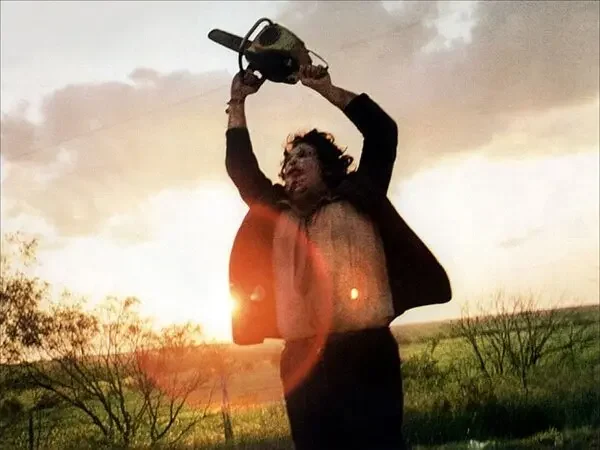
Within seconds, that illusion is shattered when Leatherface appears, kills the character abruptly, and slams the metal door shut.
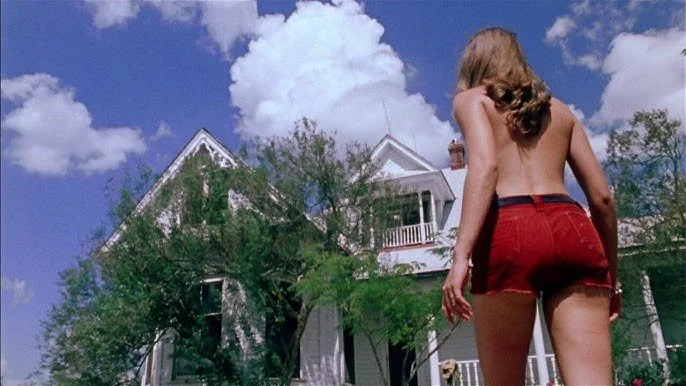
This scene is short, violent, and disorienting, but it stays with the audience.
What makes it memorable is not just the shock, but how quickly safety is stripped away. The audience is forced to realize that the rules they expected no longer apply.
For example:
The character crosses into a space that should feel safe, but isn’t.
The threat appears without warning, removing any sense of control.
The violence is immediate and final, cutting off any chance of escape.
The environment itself becomes part of the horror, reinforcing the character’s vulnerability.
All of these elements contribute to both plot and character development.
The audience learns, in a single moment, what kind of story they are in…and what kind of fate may be waiting for everyone else.
Once you understand how each scene leads to the greater story arc, you can then thread these into the larger plot:
Create a Plot Outline
We have talked about outlining a great deal in my previous blogs, but it always bears repeating. Whether or not you use an outline for your book, it is especially useful when building horror scenes.
This is because it will help you understand that each scene is its own contained experience.
It must have a beginning, middle, and end.
It should also introduce tension, escalate it, and leave behind a consequence, whether physical, emotional, or psychological.
When you begin to think this way about your scenes, the overall plot becomes sharper and more intentional.
Fine-tune the Scary Details
Also known as “fleshing out,” (which is an especially fun term considering this is horror we’re talking about) this refers to taking a detailed approach to your overall plot and each scene that occurs.
Consider some of the following questions:
Why does this scene happen in the narrative?
What does it contribute to the story?
Are any characters placed in this scene unnecessarily?
Is the setting well-defined?
Can you add or take away descriptions?
What parts of the backstory (character and overall story) did I include?
Can this background information be formed in a more dynamic way (for example, as part of the dialogue or interwoven in action)?
What do I want the audience to feel after reading this scene?
What has changed for the character by the end of the scene—and is it for the worse?
What new piece of information or realization has been introduced, and how does it deepen the tension?
Answering these questions and then returning to edit your novel is extremely helpful. It not only improves your story but also strengthens your instincts as a writer.
Let It Rest, Then Revisit
After you have fleshed out some of the details, then you want to give your story a break. This can be a few days, a week, or even longer.
However, doing this will let your brain reset after working so hard on your novel.
That way, when you come back to it, you are more likely to notice issues such as plot holes or inconsistencies.
In horror, distance also helps you evaluate whether a scene still carries tension, or if it needs to be sharpened, stripped down, or made more unsettling.
Horror Plot Checklist
You can use the following information for each scene or for specific plot points. The goal is to help you create a more dynamic and cohesive narrative.
The backstory of my setting and characters is revealed through action, behavior, and environment, not long explanations.
There are a lot of sensory details (sights, sounds, visual descriptions, etc.) These sensory details contribute to atmosphere, not just description.
There is information on the passing of time and/or place, whichever helps ground the reader in the world’s reality.
Each scene introduces a shift, whether it is new danger, new information, or a loss of control.
There is not more action than there is information and vice versa.
The tension builds across scenes instead of resetting after each one.
All moments in the novel, and in each scene, work together to advance the plot. Further, each scene is filled with both inner and outer conflict.
The character’s internal state reflects the external threat, creating a sense of inevitability.
There are unanswered questions that encourage the reader to keep going, but my plot still keeps in mind the type of reader that is reading and caters to them.
I have stepped away from my story, let it rest, and addressed any areas of weakness.
Writing Horror Scenes That Stick
Whether you're writing a plot-driven thriller or a character-driven drama, the key to a memorable story lies in your ability to balance these elements effectively.
In horror, that balance determines whether a scene is simply read,or remembered.
So go ahead, use this checklist, let your story rest, revisit it, and fine-tune it until it becomes the unforgettable narrative you've always dreamed of writing.
The kind that stays with your reader long after the final page.
MORE HORROR WRITING ARTICLES







Discover how different fear responses can make horror characters feel more realistic, conflicted, and emotionally driven.