
Most Common Horror Tropes and How to Break Them
In many cases, horror tropes and the familiar can be an effective tool to introduce fear. A creaking floorboard, a shadow at the end of the hallway, or a tap at the window can all create tension and dread even before the audience gives a clear indication that any of this is scary.
To that end, horror tropes are often employed because they are effective. According to the Oxford dictionary, a trope can be defined as “a significant or recurrent theme; a motif.” The themes are repeated because, on a psychological level, they tap into some of our most basic fears.
However, because they are so common, they are often overused, and as a result, their effectiveness begins to wane. Predictability, in my opinion, is the antithesis of horror.
If you are writing horror fiction, your goal is not to avoid horror tropes altogether. Instead, I want this list to encourage you to understand what readers expect and then shift that expectation just enough to unsettle your audience. The most effective horror doesn’t reinvent everything; it merely blends what we already know into something fresh, and in doing so, the uniqueness adds to the terror.
The Final Girl Trope
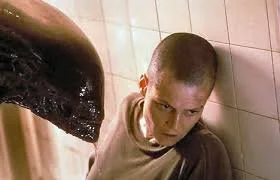
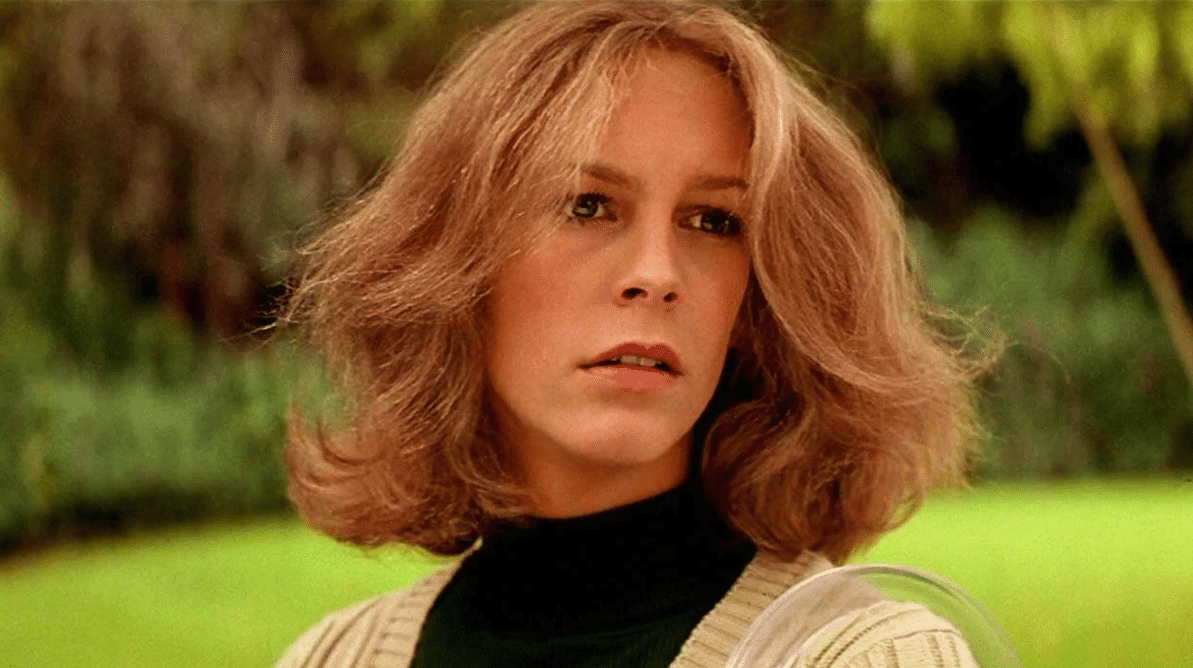
The last surviving female character is often depicted as either morally good or more observant than others. Think of Ellen Ripley in the Alien series or Laurie Strode in the Halloween movies; the trope happens because readers need someone to hold to. The “final girl” provides emotional continuity in an environment that is not only high stakes but also deeply chaotic. However, having the final girl means a reader can immediate predicate who is going to survive. While I am all for female empowerment, I also think that this trope gets overplayed. I want a horror protagonist to root for, but I don’t want to immediately think someone has plot armor either.
How to Break the Trope
Shake things up! Why not kill or remove the assumed survivor midway through the story? Or, if you choose to include a “final girl” type character, or even a final guy for that matter, then why not make their survival come at a moral cost? What must they give up to survive? This makes their survival feel more earned, rather than just assumed.
“It Was all A Dream”
At the end of the film or novel, both the audience and the protagonist realize that everything was just a dream. I will also include unreliable narrators in general in this trope. Did it happen or did it not? This refers to a story narrative in which reality is distorted, imagined, or filtered through a deeply unstable perspective. An example of this is Patrick Bateman in both the film and original novel version of American Psycho. Are his violent, gruesome accounts merely delusions, hallucinations, or outright fabrications?
Sometimes the unreliable narrator trope can be effective. When the audience questions everything, then the horror becomes truly participatory. However, going too far into the “it was all a dream” character can cause the audience to dismiss everything. If nothing is real, then there are no stakes…and if there are no stakes...well, there is no story.
How to Break the Trope
Give thought to voice and structure of your horror scenes. There is a way you can manipulate perception in a way that is engaging and intriguing, even if it does turn out to be a figment of the main character’s imagination. Be brave and let conflicting realities coexist and ensure every imagined event still have consequences.
The Monster as Pure Evil
The monster exists as a solely unstoppable force, and whose only purpose is to harm or destroy. We often see these in lower-budget horror films or in horror books that lean towards splatterpunk or extreme horror fiction where gore is a part of the fun. They can certainly be fun, especially when there is a unique or memorable kill, but without purpose or variation... the monster becomes interchangeable. Simply put, there is no reason to engage with the plot behind the initial fear factor.
How to Break the Trope
Even the most ruthless and evil villain can become memorable if there is some type of goal or logic involved. The monster does not have to be completely sympathetic, but if the audience understands why they are chasing those teens or carving up a nosy neighbor, the payoff is far better.
The Stupid Decision
“No! Don’t go in there,” the audience screams. In this trope, a character makes a decision that is obviously dangerous. It may be to go down a dark alleyway, or open a door to a stranger. At best, the audience can relate to the character because, well, we’ve all made the wrong move sometimes. At worst, however, it can make the decision feel forced. Almost as if the character must make this terrible decision to move the plot along. This can cause the readers to disengage, and that lack of connection can take them completely out of the narrative.
How to Break the Trope
Your character’s poor decision can still stay, but it must be the most logical decision in the moment. For example, if they run down a dark alleyway make it to where the other exits are completely blocked off. By removing safer alternatives, it shows your character’s internal reasoning clearly.
The Twist Ending
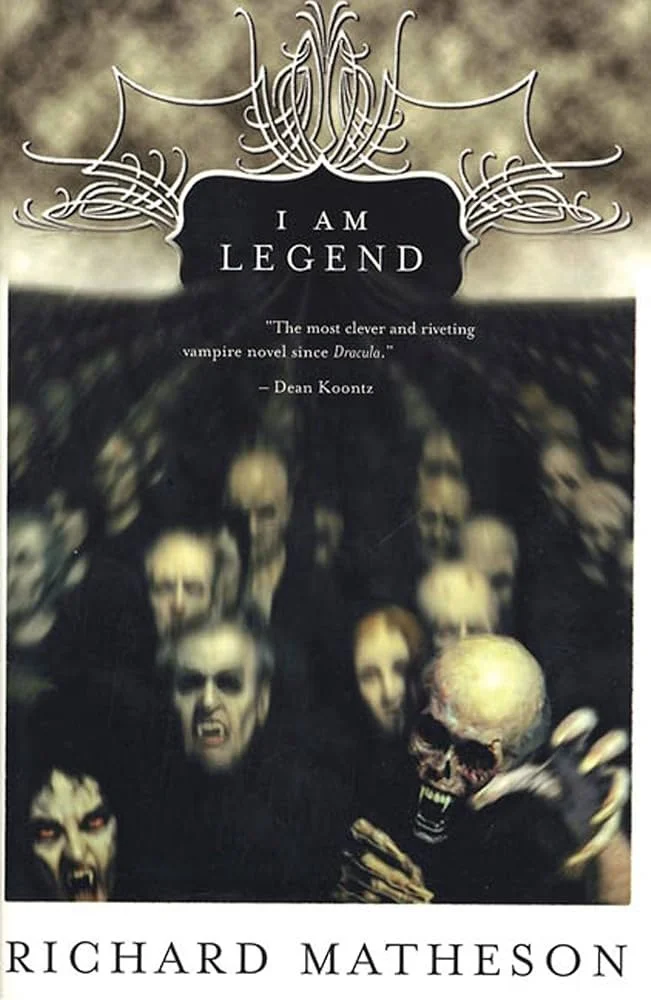
Oh no! The killer is actually alive! Or, oh no, the killer was actually this other person we saw for one scene! The reveal comes to strictly reframe the entire story. Sometimes this can be done well. For example, in the novel I Am Legend by Richard Matheson, the big reveal is that Robert Neville is the “mindless zombie” because “the monsters” are intelligent, vampires who are presented as evolved humans. It is Neville who is the obsolete species.
However, if the trope is not done right, then the twist is cringeworthy, and it was only done for shock value. Sometimes, it can even make the audience angry.
How to Break the Trope
If you want to use a twist ending, be sure to seed it early. Foreshadowing can go a long way in helping the reveal feel earned rather than completely out of left field. I also suggest focusing on the emotional impact and revealing it before the ending so that consequences can be explored.
Transforming Horror Tropes
The goal is not to do away with common horror tropes completely. As mentioned, they are popular because of the work. However, your goal as a storyteller is to transform them. Reinvent them in a way that meets expectations and then excels them. If you want to utilize horror tropes, then identify the specific tropes you are using, understand what readers expect, and then change the outcome, timing, or meaning.
In doing so, you make the painfully predictable into something memorably unpredictable.
MORE HORROR WRITING ARTICLES






Discover how different fear responses can make horror characters feel more realistic, conflicted, and emotionally driven.