
Writing Horror Exposition That Builds Fear and Tension
No matter what you write, you must understand how to communicate your thoughts and ideas to the reader. One such aspect is exposition, which can be daunting for some writers.
In horror, exposition carries even more weight. It is not just about informing the reader, but aboutcontrolling what they know, when they know it, and how long they sit in the dark before the truth is revealed.
When you read a book, how do you know what has happened before the events have unfolded? The answer lies in exposition, which you will need to help your readers understand the full nuances of the story When dealing with horror specifically, exposition is often the difference between tension and release. Reveal too much too soon, and the fear disappears. Reveal too little, and the reader becomes disconnected.
What is Exposition?
Exposition is the narrative device that provides the background information needed to understand the story. It sets the stage, introduces characters, and fills in details about the setting, time, and place.
In horror-driven storytelling, exposition often reveals what a character is trying not to remember, or what a place refuses to forget.
Think of it as the foundation of your storytelling house, because without it, the entire structure could collapse. Essentially, your reader must know everything before the lights are put in, the walls are painted, etc.
But when that “house” is a setting for horror, the foundation may already be unstable, with cracks that hint at something buried underneath.
In other words, it is the information needed to understand character motivations, plot points, etc.
How to Use Exposition Effectively
The Art of "Show, Don't Tell"
One of the golden rules of exposition that is especially effective in horror storytelling is to "show, don't tell." Instead of stating facts outright, weave them into the narrative.

For example:
Scenario:
Amber is planning to leave Thomas, but the reader begins to suspect Thomas has something far more sinister in mind.
Telling:
Amber is going to break up with Thomas, but Thomas has sinister intentions.
Showing:
Amber’s suitcase sat half-zipped on the bed. Thomas stood in the doorway, turning her wedding ring slowly between his fingers, as if testing how easily it might slip off. “You’re not taking this with you,” he said, almost gently, though his cold eyes told an entirely different story.
In the revised example, the reader understands both the breakup and the threat without being directly told either. The tension comes from what is implied, not explained.
The reader does not have to be explicitly told what is happening because there is enough information given through behavior, tone, and detail.
Learning from Horror
Stories within the horror genre often rely on fragmented exposition, allowing the audience to piece together the truth over time.
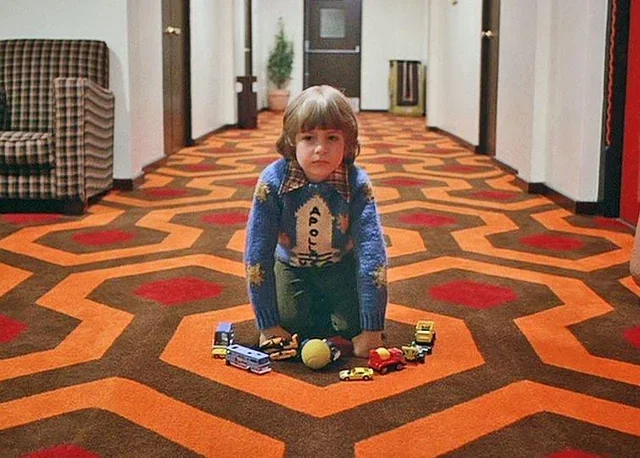
For example, in The Shining, the history of the Overlook Hotel is revealed through scattered details, photographs, conversations, and visions., rather than a single explanation.
Each piece of information feels incomplete on its own, but together they form something far more disturbing.
In Hereditary, family history is revealed through conversations, letters, and small visual details that initially seem unrelated.
The audience gradually realizes that the answers were always present, just not understood at the time.
It is essential to understand that exposition reveals much information about characters, not just facts.
How Not to Use Exposition
The Pitfall of Over-Description
Consider the following example:
"Inside her head, elephants stomped, dancing and frolicking about. Her eyes pressed against the back of her head and she felt like she could go numb from the pain. It hurt so bad. Although she wore pain before, in this moment, it was the greatest pain she had ever known."
This is an example of poor exposition. It's overly descriptive and tells us too much without allowing the reader to interpret the experience.
It removes any sense of tension by explaining the sensation in full.
How might you make this sentence better? Focus on giving readers information without outright telling them what is happening.
Revised:
She stopped mid-sentence, her hand tightening against her temple. The pain didn’t come in waves, it came in intervals, precise and measured, like something knocking from the inside.
This version introduces uncertainty. The reader understands the pain, but also questions it.
Things to Remember When Writing Exposition for Horror
Balance is Key
Too much exposition can slow the pace, while too little can confuse readers. Striking the right balance is crucial.
A well-placed detail, such a photograph turned face down, a name no one says aloud; both can often replace an entire paragraph of explanation.
Context Matters
Ensure that the exposition is relevant to the story. Irrelevant details can distract the reader and dilute the impact of your narrative.
Details should either reveal character or suggest something deeper beneath the surface. If they do neither, they weaken the tension.
Keep it Natural
The exposition should flow naturally within the story. Whether it's through dialogue, action, or internal monologue, make sure it doesn't feel forced.
Exposition often works best when it feels incidental, something the reader notices at the same time the character does.
Using Exposition to Elevate Your Darker Storytelling
Exposition is an essential storytelling tool that can make or break your narrative. By understanding its role and learning how to use it effectively, you can craft a compelling, engaging story that resonates with your readers.
When handled well, exposition allows the reader to uncover the past alongside the character, creating a sense of discovery rather than instruction.
It will also be helpful when editing your novel, because you can understand how every part of the plot fits together.
Remember, the best exposition is the kind the reader hardly notices but would miss terribly if it were gone.
The most effective details are often the ones that seem insignificant at first, until the moment they suddenly explain everything.
MORE HORROR WRITING ARTICLES







Discover how different fear responses can make horror characters feel more realistic, conflicted, and emotionally driven.