
How Fear Responses Shape Horror Characters
Horror Fear Response Basics
- Fear responses explain why horror characters may run, fight, freeze, or appease danger instead of making purely logical choices.
- Fight, flight, freeze, and fawn can shape how characters react to monsters, killers, cults, hauntings, and other threats.
- Different fear responses can create group conflict when each character believes their reaction is the safest choice.
- A character’s fear response can reveal parts of their backstory, habits, and survival instincts without heavy exposition.
- Horror characters can move between fear responses depending on the threat, setting, and emotional pressure of the scene.
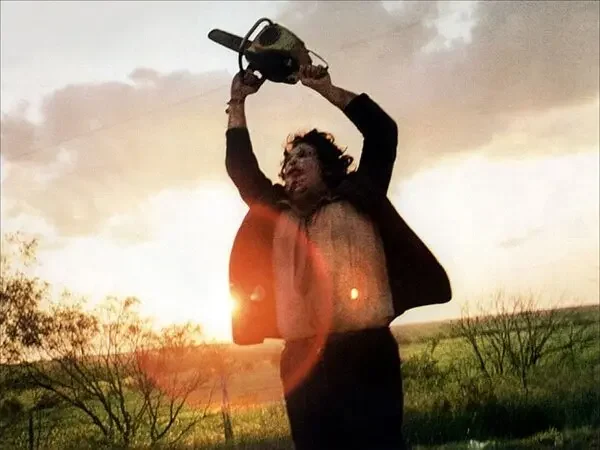
As audience members, whether watching a horror movie or reading a scary book, we often think we know better than the characters. “Well, I certainly wouldn't go into that dark alleyway" or “Why would you pick up a remote to throw when a lamp is right there?” However, it is fear responses that shape horror characters and can come from a reactive, bodily instinct rather than logic.
These fear responses cause each character to react differently. For example, if something growls in the dark, one character may make a mad dash towards the exit while another may pick up a weapon. Another may stay stock-still, while another character may immediately try to figure out how to mitigate the reaction of whatever is lurking in the dark. These reactions are often described as the four primary fear responses: fight, flight, freeze, and fawn.
Understanding these fear responses not only helps you decide how your character will react to a threat, but will also allow you to explore how your character makes decisions, how they interact with others, and why they continue behaving a certain way even when that behavior appears irrational from the outside.
Why Fear Responses Matter in Horror Writing
While other genres do this to a certain degree, the genre is built on placing believable horror characters in situations where they cannot rely on ordinary logic. A character may be trapped in a house with something supernatural, or they discover that a loved one has been replaced, possessed, or transformed.
Even when the situation is considered ordinary, the events are still extreme examples, such as running from a home intruder or fighting off a masked killer, of what can happen in everyday life. Thus, as a writer or filmmaker, you may not have a benchmark to use when understanding reactions. You may have gone through an event that would make a good horror movie, but if you haven't, the fears and emotions of something you have not tapped into may be hard to register.
Understanding fear responses can help give you a frame of reference. Similarly, these reactions will also bleed out into other areas of the story, such as character interactions. Conflict can be created because the recreation of fear can be wildly different. A character who wants to run may view the character who wants to fight as reckless. The fighter may view the runner as a coward. A character who freezes may frustrate both of them, while a character who tries to appease the threat may appear to be cooperating with it and thus can seem traitorous.
Let's examine each of these fear responses more in depth:
The Flight Response of Fear
This is perhaps the fear response that most people associate with horror; the act of running away. However, flight is not just physical. It can also appear through avoidance, overthinking, constant preparation, nervous energy, or the need to remain busy.
For me personally, the fight response is my default. Running away from scary situations can come naturally, but I will give you an example of escaping in a different way. Once during a remote job interview, I completely froze. My mind completely stalled at a highly technical question I was unfamiliar with, and since I had little sleep the night before, my anxiety began to compound. Rather than giving myself grace or simply admitting I didn’t understand the question, I closed my laptop. I literally escaped the threat by simply shutting it down.
Needless to say, I did not get the job.
That aside, the flight fear response can cause some more positive traits.
For example, a fear response will allow someone to:
Highly aware of exits, escape routes, and environmental changes
Prepared for emergencies
Quick to react when danger becomes obvious
Those that fall into this group may also have an innate sense that something is wrong long before the threat is known. However, the fear response may also cause a character to overlook other information because they are focused entirely on escape.
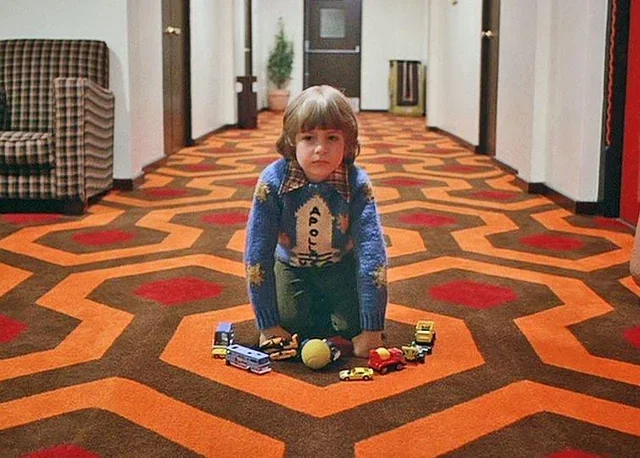
A great example of this is Wendy Torrence from The Shining (1980). Both in the book and the film, not only can she come off as passive, but when Jack proves to be undeniably dangerous, Wendy’s main goal is not to defeat him or understand the forces controlling the Overlook Hotel. Her entire efforts go towards getting herself and Danny away from him.
This type of character can be especially effective in slashers, creature features, haunted-house stories, and survival horror. The threat becomes more frightening when escape is the character’s primary coping mechanism, but the story gradually removes every available exit.
The Fight Response of Fear
The fight response is the instinct to confront the danger head-on, whether through aggression, control, intimidation, or direct action. When faced with a threat, a character who engages in a fear response may grab a nearby weapon, verbally confront the attack, or find another physical way to subdue their attacker.
This fear response is obviously useful because they refuse to remain passive. Even if they cannot overtake the threat, they can still buy enough time to give others a window to escape.
However, it should be noted that, while being proactive gives these characters a sense of control, it can also make the situation worse.
This is often because the fight instinct can cause the character to:
Confront the threat before understanding it.
Escalate a situation that could have been avoided.
Try to control frightened members of the group.
Refuse to retreat when retreat is necessary.
Mistake aggression for courage
Become dangerous to allies as well as enemies.
For a character to overcome some of these issues, they need to remember that being a fighter does not mean one is fearless. Fighting is simply how they manage fear.
I think a great character that emulates this is Ellen Ripley in the Aliens series. Ellen Ripley also repeatedly responds to danger through discipline and directness in Alien and Aliens, despite there being plenty of moments where she is shown to be noticeably scared. In Alien, her insistence on quarantine procedure is an attempt to control an unknown threat before it enters the ship. In Aliens, that same instinct becomes more openly physical and protective.
Ripley’s response demonstrates that fight does not always mean uncontrolled aggression, nor does it mean that one is without fear. The fear response works by working through the fear into a state of authority, strategy, boundary-setting, and refusal to back down.
The Freeze Response of Fear
You have likely heard of the term “deer in headlights,” which is based on the fact that a deer will freeze when faced with the bright headlights of a car. Of course, this phenomenon is not just limited to deer, as most animals must allow their eyes to adjust to the sudden brightness.
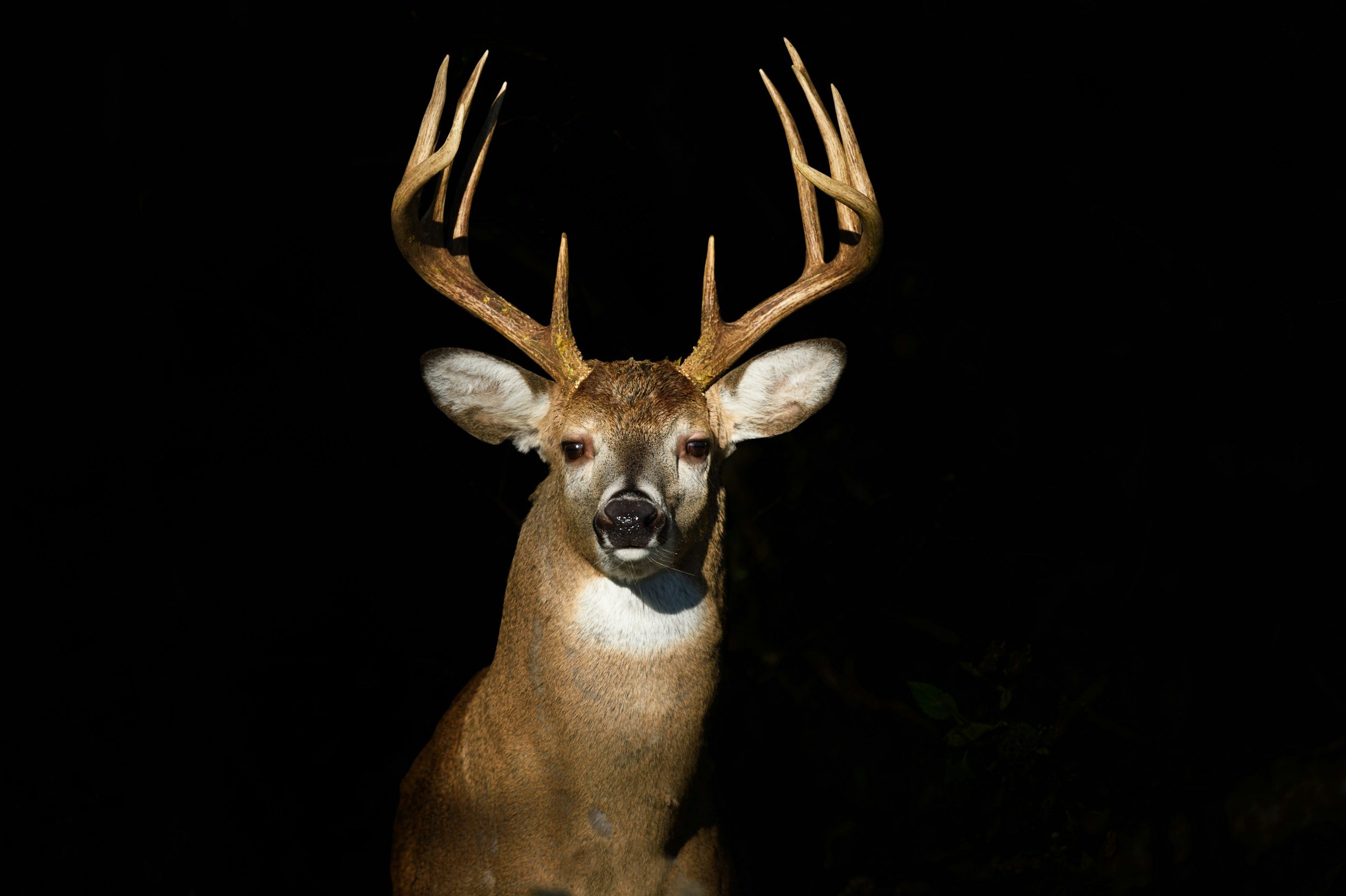
The freeze response works in the same way. A sudden threat overwhelms the character’s ability to move, speak, decide, or respond. While this may often look like physical paralysis, it can also appear as numbness, dissociation, silence, indecision, emotional distance, or delayed reactions. A character may clearly understand that they are in danger and still be unable to act.
Interestingly, when it comes to the nuances of the emotional response, those with a freeze response will be prone to:
Notice danger but be unable to warn others.
Lose time or struggle to remember what happened.
Appear unusually calm because they have emotionally shut down.
Have difficulty making even simple decisions
Remain physically present while mentally withdrawing.
Act only after the immediate danger has passed
Most people understand the terror of wanting to move but feeling unable to do so. A freeze response can stretch a few seconds into an entire scene as the character watches something approach, hears footsteps outside the door, or realizes that they are no longer alone.
Freeze is especially effective in horror because it creates helplessness. For instance, take that scene in Hereditary. After the event, Peter continues driving, parks his car, and then goes to bed, all with his sister's dead body in the backseat. He is clearly in shock, and that shock causes him to freeze.
This is very similar to the real-life story that occurred in Cobb County, just outside Atlanta, Georgia, in which two friends were out drinking; one stuck his head outside the window, and in the same manner as the film, struck his head into the telephone. The driver went to bed with his friend's Headless corpse in the backseat.
When it comes to the freeze response, a person can feel trapped inside of themselves with no means to escape.
The Fawn Response of Fear
The fawn response is often one of the most overlooked emotional reactions because it can be complex. This response is rooted in appeasement. That may be through obeying the threat, trying to calm it down, or through outright pleasing tactics. In fact, a fawn-driven character may even apologize when they have done nothing wrong.
This can also be seen in the psychological phenomenon known as Stockholm Syndrome. This Syndrome refers to the psychological response in which a captive or abuse victim forms an emotional bond with their captor. It is often a way to mitigate trauma and try to lessen the mental damage they are experiencing.
When faced with a new threat, an individual with a fawn response may be more likely to:
Try to negotiate with the threat.
Follow disturbing rules to avoid punishment.
Protect other people’s feelings while ignoring their own fear.
Apologize to someone who is harming them.
Remain in a dangerous situation because leaving feels more dangerous.
Excuse alarming behavior until it becomes impossible to ignore
For an example, we can look to another Ari Aster film, Midsommar (2019), through the character of Dani, played by Florence Pugh. Despite the strange rituals, countless deaths, and oddness, Dani slowly assimilates into the Hårga, the pagan death cult. This should come as no true surprise to the viewer because appease those around her, over-apologizes, and essentially suppresses her own emotional needs simply to keep the peace.
Characters Can Move Through Fear Responses
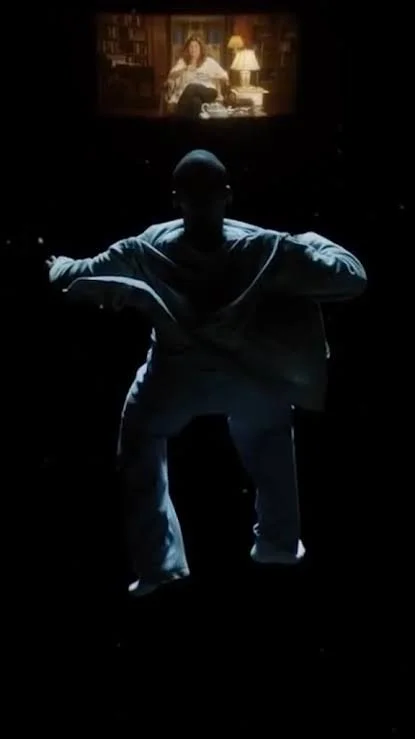
It is important to understand that the fight, flight, freeze, or fawn responses are not set in stone, and in fact characters can often move between different emotional reactions.
A person may react one way in a familiar threat and another way when confronted with a different kind of danger. For instance, a character who will fight back against a bully at school but may freeze when confronted by an angry parent. Someone who will run away from a monster may attempt to appease a controlling partner.
As you can see above, familiarity may often dictate how we will respond to fear. A horror character example of this is Chris Washington in Get Out (2017). At the start of the film, Chris keeps himself socially restrained amongst the white family. He notices unsettling behavior and even receives warnings from the help, but chooses to remain polite within the increasingly uncomfortable environment. Some of his behavior minimizes fawning. He avoids unnecessary conflict, tries to minimize his discomfort, and does everything he can to warm up to what may be his future in-laws.
When the escalation of discomfort occurs, the situation changes fast. He tries to run, he fights back, and at one point he even freezes, but the latter is because of the control of the sunken place.
In short, he cycles through a variety of different emotions, and this is a great example of how each fear response is based on instinct and situational context.
Using Different Fear Responses to Create Group Conflict
One of the effective ways you can use fear responses in horror writing is by creating group conflict. To illustrate the point, suppose there are four characters trapped in a strange house. The power has gone out, and something is moving around on the second floor. None of them knows whether it is a person, an animal, or something else.
Each character, with differing emotional responses, may react in the following ways:
The flight-driven character grabs the keys and says, “We need to leave.”
The fight-driven character takes a knife from the kitchen and starts toward the stairs.
The freeze-driven character remains in the hallway, unable to speak.
The fawn-driven character listens to the footsteps and says, “Maybe it only wants us to follow the rules.”
The scene will immediately create conflict because each individual will think they are the ones who know how to best deal with the threat.
For example:
The runner thinks the fighter will get them killed.
The fighter thinks the runner is abandoning the group.
Both may become angry at the character who cannot move.
Meanwhile, the fawn character may appear to be siding with the threat.
This approach can heighten the tension and create additional conflict that will make the situation more interesting for the audience. Instead of giving every character the same goal and reaction, give each one a different survival logic and see what drama unfolds.
Connecting Fear Responses to Character Backstory
Aside from creating interesting tension in groups, different fear responses can also speak to a character's backstory. This is largely due to what the character has learned from their lived experiences.
For example, a flight-driven character may have learned in childhood that safety could be found by running and hiding. A fawn- driven may have learned early that survival meant managing someone else's emotions. Using these fear responses in a natural way can help you break preexisting horror tropes as well.
You do need to outright tell the audience this, but instead show them by asking questions.
Such as:
Why does she always sit closest to the exit?
Why does he become angry whenever someone else takes control?
Why does she apologize whenever the group argues?
Why does he become completely silent when he hears a particular phrase?
How your character responds to a threat will not only show aspects of their current psyche, but also give insight into fragments of the past.
Using the Fear Response in Action
Fear responses are an extremely valuable tool in fleshing out your horror characters. When creating a threat scene, I often recommend writing it four different ways: giving your character a different fear response each time.
Afterwards, ask yourself the following questions:
Which response created the most tension?
Which version revealed the most about the character?
Which response made the threat seem most powerful?
What would happen if all four characters were placed in the scene together?
How might each character react after the danger passes?
Horror characters become more believable when fear affects them in specific and personal ways. Mix it up, try new variations, and ultimately, use the fear response to see what your character is made of.
MORE HORROR WRITING ARTICLES







Discover how different fear responses can make horror characters feel more realistic, conflicted, and emotionally driven.